General tips
10 points to improve your performance
After the season, it's time to look back on the past season. What went well? What went badly? We give you ten tips on how to make next season more successful.
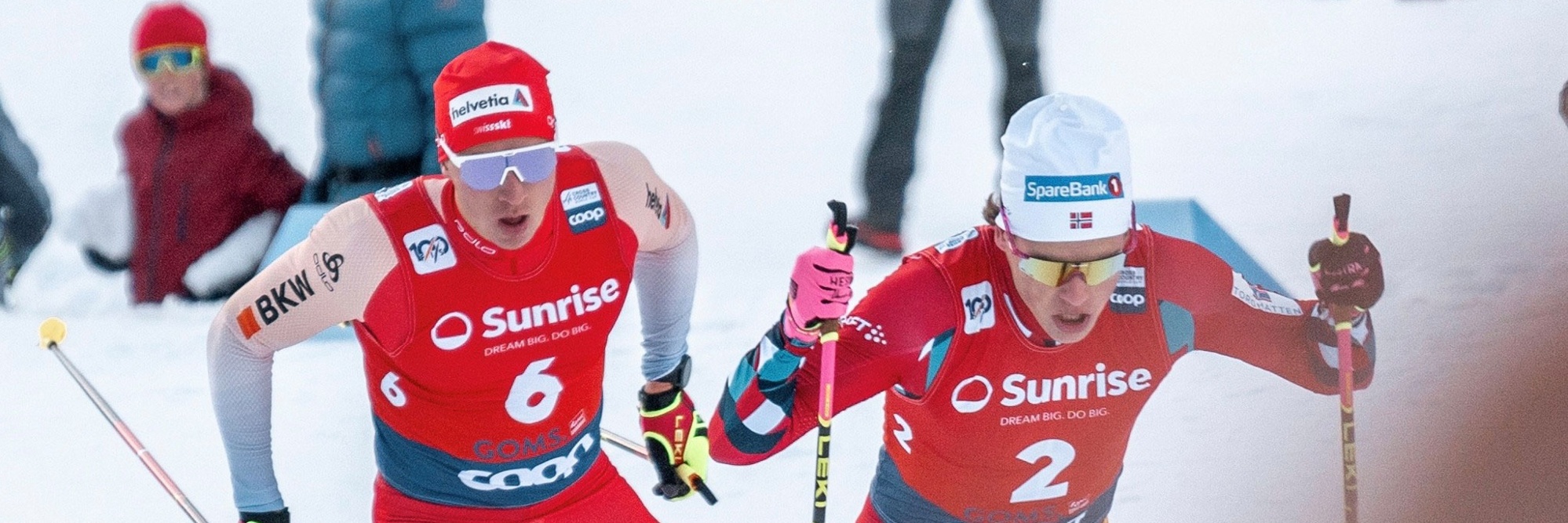
25-year-old Valerio Grond from Graubünden is one of the great hopes of the Swiss cross-country skiing team. The U23 World Champion in sprint and a member of the silver relay team last winter in Trondheim has his sights set on the Olympic Games this season.
This season is entirely focused on the Olympic Games, which will be held in February in Milan and Cortina. Ever since I was a child, it has been my dream to go there and win a medal. With a good start to the winter, qualifying for the Olympics shouldn’t cause me too much worry. Opportunities for this will come, for example, at the two Swiss highlights in Davos (December 12–14) and Goms (January 23–25), but also at all other World Cup races. To reduce the pressure a bit, I’m trying to achieve good results right in the first races. From a training perspective, it’s not a problem for me to peak several times during the season.
This year, I want to focus not only on the sprint, but also on the 10-kilometer distance. I’m convinced that with my abilities, I can also achieve strong results in this longer endurance event and will benefit a lot from the appeal of it.
It’s important to me that I can trust my coach Erik Braaten 100% and that we work together constructively. We are now in our second season together, are in very close contact, and see each other about five times a week. It has proven effective that we always work on big goals and pursue them consistently. Most recently, that was improving basic endurance.
I usually train twice a day for 2-2,5 hours. In a normal training week, the morning includes a quality endurance, interval, or strength session; in the afternoon, a quiet endurance session follows. I use the time in between for recovery or, twice a week, for physiotherapy with preventive exercises or massages. Once a week, I have a four-hour endurance session, and about every ten days a full rest day. In the evenings, there is time for studying or occasionally meeting friends.
 (1).png)
The foundation for a successful winter is laid in summer. We traditionally start summer training on May 1. At the beginning, we train in a very multi-sport way, on foot and with the road bike. Toward autumn, training becomes increasingly specific. On average, we reach 20 to 25 hours per week. In June, July, and August, the training volume is at its highest.
80% of the training is in the basic endurance zone. This is supplemented by 2-3 interval sessions (e.g., 5 × 12 min at threshold), which tend to become shorter and more intense toward autumn. Once a month we go to a training camp. This variety is especially helpful mentally, and in the area of roller-ski tracks, we benefit greatly from the facilities in Germany and Norway.
When it comes to technique, the work is never done. There are always ways to make the technique more efficient or optimize power transfer. I take inspiration from role models like Johannes Høsflot Klæbo, or in classic technique from the Finn Iivo Niskanen, or I work with coach Erik Braaten, my now-retired teammate Jonas Baumann, or my current teammates.
Technique is essentially a topic in every session. I try to always focus on one element, apply it actively, and internalize the movement patterns.
After graduating from the sports high school in Davos, I began a BSc degree in economics at Fernuni.ch. This way I can combine performance on skis with performance in my head. But it’s not easy, especially during the season. There are times when time, energy, and motivation are lacking. But at the latest when the spring exams come around, discipline is required—and all in all, the mental work is a welcome change.
I am very ambitious and goal-oriented. When I set my mind on something, I give everything for it—and usually achieve it as well ;-) In races, I would describe my instinct as my strength.
If things aren’t going well, it can become a mental problem. But if I’m in the flow, the opposite happens—I become almost unstoppable. In races, my weaknesses used to be classic technique and endurance competitions. But that is currently changing in a positive direction.
.png)
We Swiss are definitely among the leaders when it comes to equipment—especially in warm conditions and thanks to early Swiss investment in researching fluor-free alternatives.
In general, I take a relaxed approach to equipment questions, since I can’t influence it myself. The competition is between the wax teams. We athletes simply benefit from it.
The term is actually a bit misleading, because our load of around three minutes is more comparable to that of a 1500-meter runner. On top of that, we ideally need to complete four rounds in a short time. By now it’s clear that good endurance is crucial and that we are not sprinters, but endurance athletes.
To still have enough power in the final, we consume energy between the heats in the form of carbohydrate-rich drinks, shakes, gels, and caffeine. To reduce lactate and keep the body warm, we move our legs on the home trainer, on skis, or by slow jogging.
We follow heart rate closely, although it’s always important not to blindly follow the numbers and to consider feelings as well. In high-intensity training phases, for example, it can happen that the heart rate no longer rises as much. In such situations, I have to rely on my feeling.
Unusual resting heart rates or heart-rate variability patterns are warning signs for me But I always adjust the training based on how I feel.
Listen to your body and always stay curious so that you keep developing. Hard work is necessary to reach your goal.
After the season, it's time to look back on the past season. What went well? What went badly? We give you ten tips on how to make next season more successful.
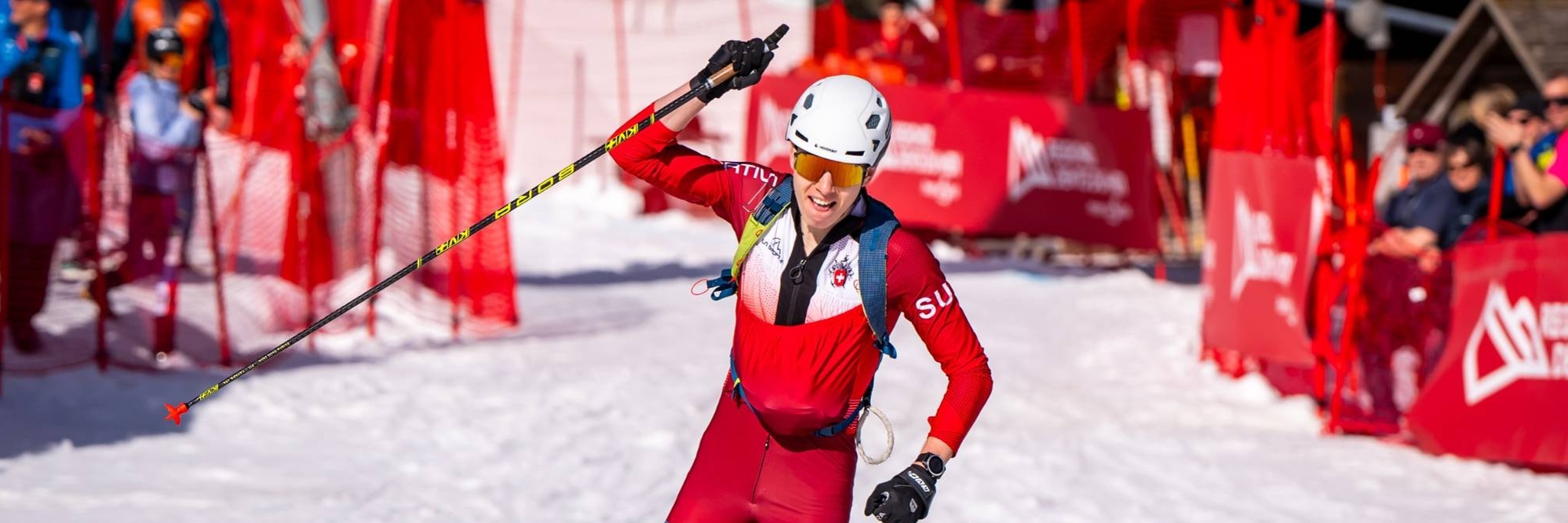
The 22-year-old Jon Kistler from Zurich wants to represent Switzerland in the newly added sport of ski mountaineering sprint at the Olympic Games in Milano Cortina.