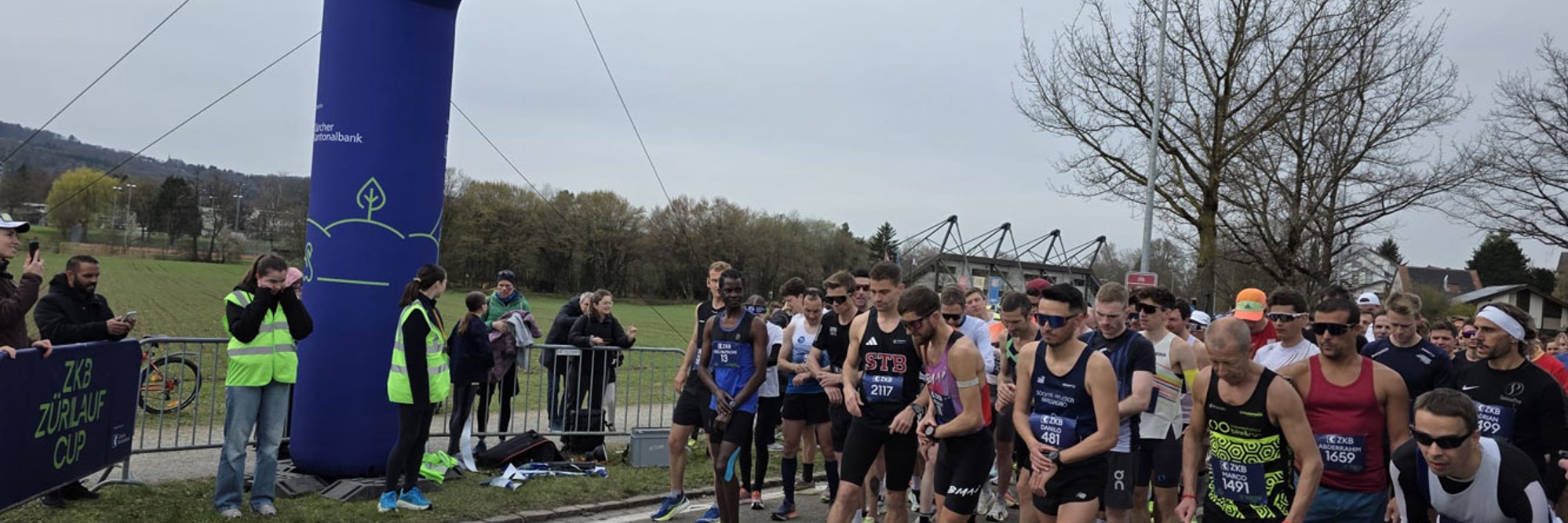
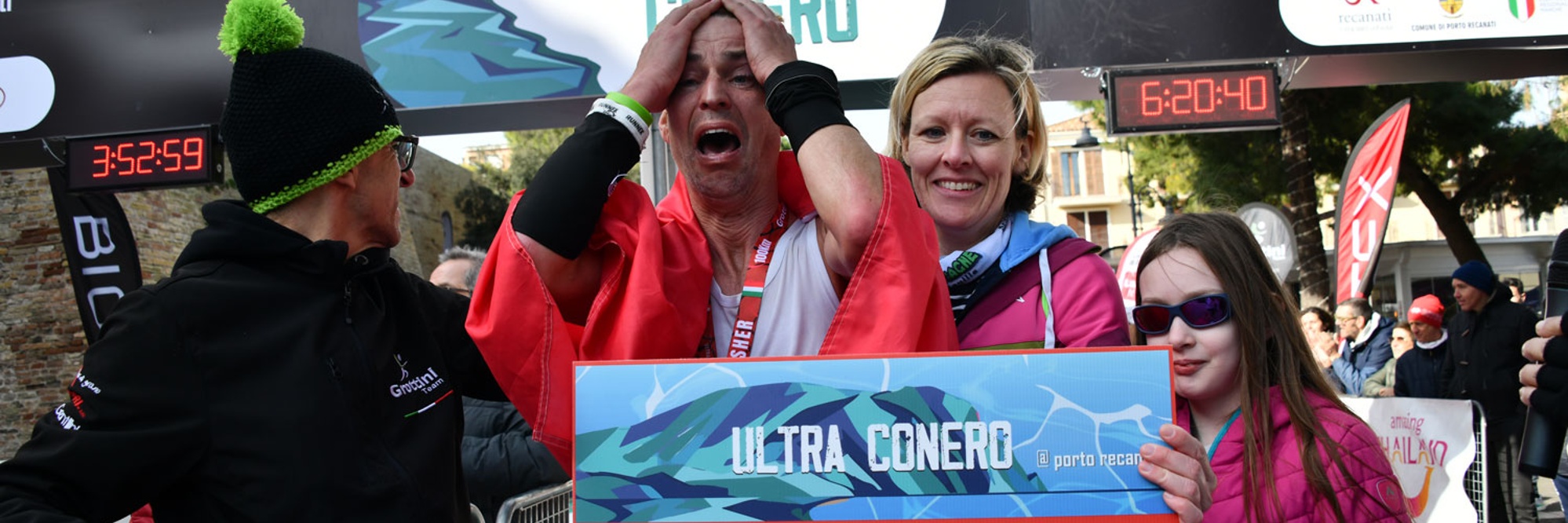
Find out how to manage pre-competition nerves and channel your energy effectively with three exercises.
Here we are. It’s mid-April, the racing season is getting underway, and you’re about to pin on your first race number of the year. You’ve spent the winter training, clocking up the miles in the cold, and yet, just a few days – or even hours – before the start, doubt creeps in. Your heart beats a little faster, your stomach tightens and one question keeps circling in your head: "Am I really ready?"
Don’t worry – this feeling of discomfort is completely normal. To get your sporting season off to a good start, you simply need to understand how pre-race anxiety works and, above all, stop fighting it.
Why does your body get all worked up before the start?
This rise in stress isn’t a sign of poor preparation; it’s a physiological survival response. When faced with a challenge (in this case, your race), your brain recognises the stakes. This triggers the release of adrenaline and cortisol to prepare your body for action. Your heart rate increases to deliver more oxygen to your muscles and your alertness sharpens.
From a purely physiological point of view, your body is preparing itself to perform at its very best. The issue isn't these sensations themselves, but the way your mind interprets them.
The common mistake: trying to calm down at all costs
The natural reaction to pre-competition nerves is to think: "I need to calm down, I need to relax". Yet this is counterproductive. Asking a nervous system pumped full of adrenaline to become as calm as if you were dozing on the sofa is physiologically impossible. By trying to force calm, you create an internal struggle that generates even more anxiety.
The solution isn’t to eliminate the energy created by stress, but to redirect it.
Here are 3 practical tips to help you achieve this during your next race.
1. Physiological reframing
Physically speaking, anxiety and excitement are almost identical: a racing heart, butterflies in your stomach and rapid breathing. The only difference is the label you put on it.
Tip: As soon as you notice these symptoms on the start line, stop telling yourself, "I'm stressed." Replace that thought with "My body is ready, I'm excited to get going."
This simple change in wording (a powerful cognitive process) alters the way your brain perceives the event. You are shifting from a threat mindset to a defiant one.
2. Focus on the process
Anxiety often arises when you focus too much on the end result: your target time, your ranking or the fear of letting yourself down. This is known as outcome focus – something you don’t fully control.
Tip: Focus your attention on what you can control right here and now: the process. Instead of thinking about the finish line, focus on your first 5 kilometres. Direct your attention to your cadence, your stride rhythm, your hydration or your breathing.
By giving your brain immediate, practical tasks to focus on, you prevent it from drifting into anxious thoughts about the future.
3. The "safety bubble"
In the hours leading up to the start, the atmosphere is often chaotic (noise, crowds, collecting race numbers). This chaos increases mental load and nervousness.
Tip: Establish a strict routine for the final 60 minutes before the start. Repeat the same actions, in the same order, at every race: tying your laces, your warm-up routine, the music you listen to.
This routine acts as an autopilot. It reassures your brain by providing a familiar, predictable environment amidst the uncertainty of competition.
Pre-race nerves are proof that what you’re doing matters to you. Don’t run from it – use it.