
Diet tips
Muscle cramps during sports: causes and possible solutions
Who doesn’t know this? You're on your way to achieving a new best time when they suddenly strike: darned muscle cramps!

The right nutrition during training or competitions not only supports optimum performance but also positively impacts long-term performance development. Refuelling isn’t essential for every physical exertion. The following generally applies: the longer and more intensive the effort, the more important it is to refuel along the way!
Two nutrients are particularly important during physical exertion: carbohydrates and water. Additional nutrients may be added depending on the session. These might include caffeine, additional salt, fatty acids or protein. However, this article solely focusses on water and carbohydrates.
No food is required for 'short’ sessions of less than 45 minutes. If a session lasts longer than this, shorter bouts of exercise are undertaken several times a day or you are generally exerting yourself at a greater intensity over several days, additional carbohydrates are ideal during or between sessions. If you need to eat during physical exertion, you should test this out beforehand. This is the only way to avoid gastrointestinal issues and ensure optimum nutrient intake in the intestine.
The body sweats to cool itself down during physical exertion. As a result, fluid is lost. To a certain extent, this doesn’t play a major role but larger fluid losses can negatively impact performance. Drinking doesn't provide any performance-enhancing benefit for sessions under around 45 minutes. For longer sessions, drinking can prevent a drop in performance. During classic endurance sports, fluid intake is a high priority.
As a rule of thumb, a fluid intake of 4 to 8 dl per hour can be consumed during the session. However, this quantity can be increased in the event of severe sweating or high outdoor temperatures. It is recommended to weigh yourself before and after long, intensive physical exertion. If your weight loss is greater than 1-2 kg, you should increase your fluid intake during the next session.
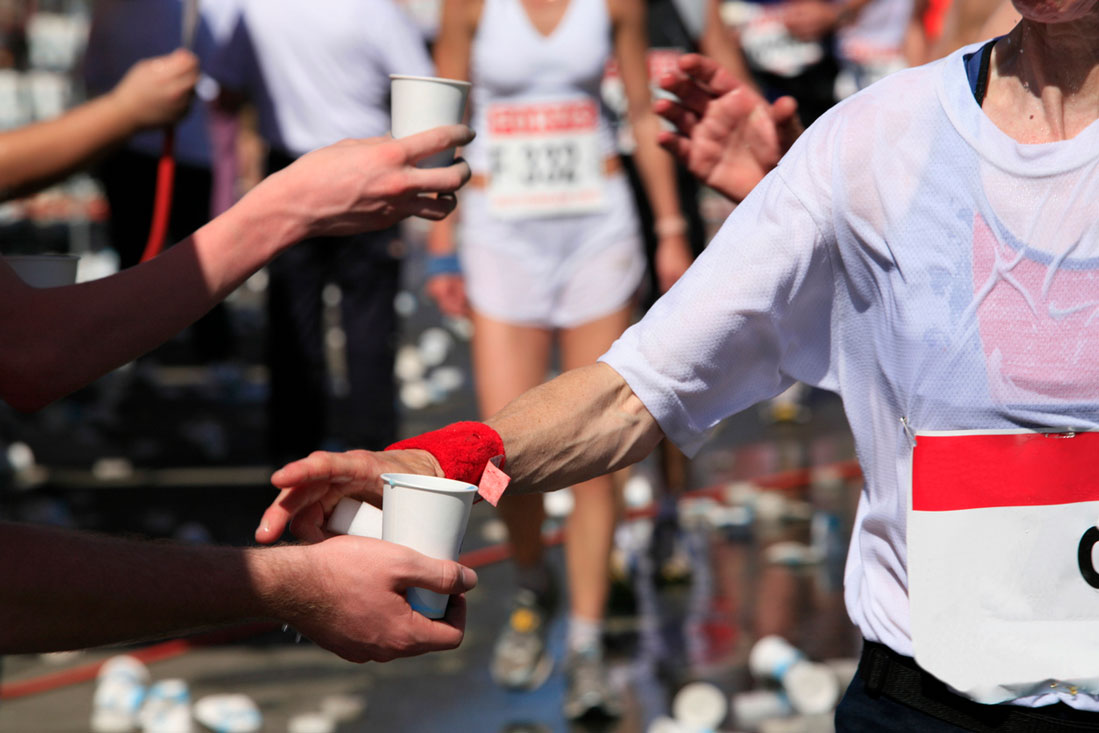
The optimum amount of carbohydrates depends on the training or competition duration. No additional carbohydrates are necessary for sessions under 45 minutes. For sessions of up to 75 minutes, it is useful to sip small quantities of a sports drink. For longer sessions of 60 to 120 minutes, 30 to 60 g of carbohydrates per hour is ideal. For all other sessions longer than 120 minutes, 60 to 90 g of carbohydrates per hour is ideal. The body can absorb up to 60 g of carbohydrates per hour in the form of glucose. For higher amounts, additional fructose must be added since the absorption ability of glucose transporters is limited. Glucose is not only supplied by glucose itself but also through all other carbohydrates composed of glucose such as maltodextrin (glucose polysaccharides) or starch. Starch is the storage system used by plants. Grains, cereal products and potatoes are good examples of starchy foods. Fructose is primarily available as simple sugars or sucrose (household sugar). Sucrose is a so-called disaccharide composed of glucose and fructose.
Who doesn’t know this? You're on your way to achieving a new best time when they suddenly strike: darned muscle cramps!
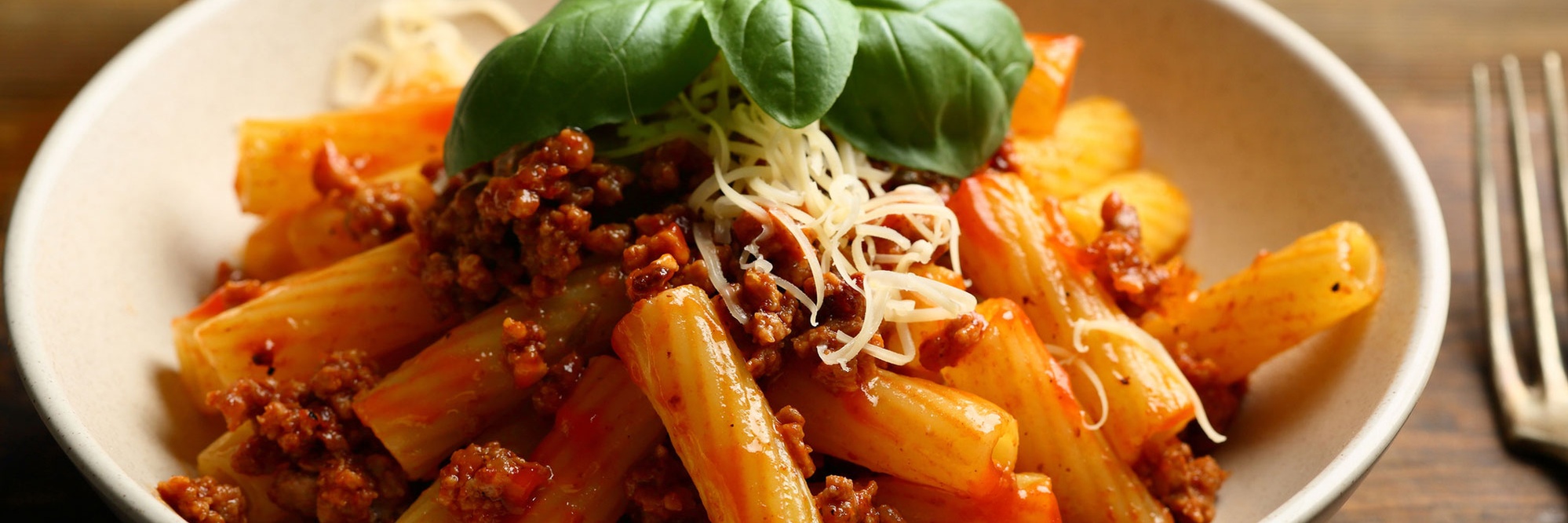
Which competitions actually require carboloading? Or is that generally necessary?