Training tips
What should you do if you keep getting slower?
Athletes of all performance levels are aware of this problem: despite zealous training, the performance capability progressively declines.
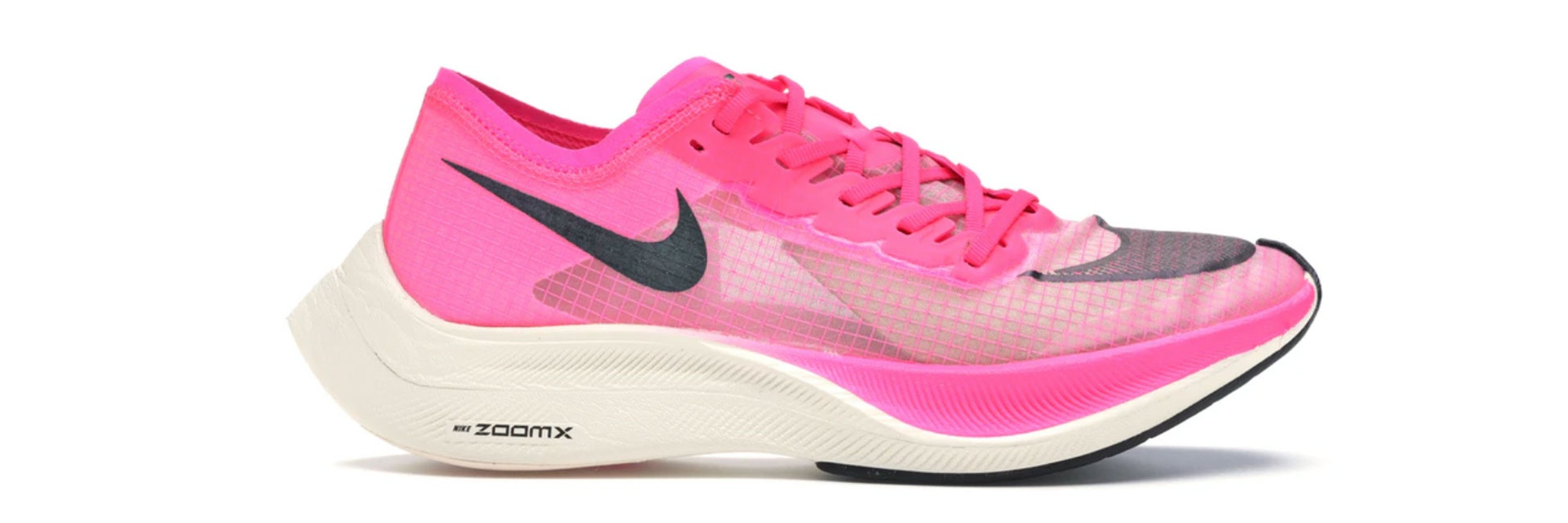
Due to the latest shoe developments by the company Nike, World Athletics, the international governing body, has been driven to redefine the rules for running shoes at elite marathons on 30 April. The most important points:
At the end of January, World Athletics announced a change to the rules for competition shoes. It was thus reacting to the polemics concerning the latest running shoe innovations from Nike. A World Athletics internal working group came to the conclusion that «independent studies are indicating that the new technology, which is used in the soles of road running shoes, offers a performance advantage».
World Athletics saw the danger this posed to equal opportunities and thus reacted. Here are the three main key points of the change in rules, which comes into effect on 30 April:
It is obvious that World Athletics reacted to the hype around the Nike models Vaporfly4% and Vaporfly Next% and their influence on the running times at marathons. However, the new rules hardly change anything in this regard. Because except for the prototype with which Eliud Kipchoge broke the two-hour barrier at the Ineos 1:59 Challenge for the first time in Vienna in 2019, all previous Vaporfly models are also permitted with the new rules. World Athletics is in fact targeting future developments with these rules. In Vienna, Kipchoge used a shoe with a sole thickness of around 50 mm and several carbon plates. With the new rules, both are no longer permitted.
Athletes of all performance levels are aware of this problem: despite zealous training, the performance capability progressively declines.
A popular credo states that a run is decided in the mind. This common knowledge has long been proven by sports psychology. 5 tips to make your mind a winner at the next competition.