Interviews
Interview with Adrian Rothenbühler
Periodically we publish an interview with an interesting sports personality. Today with Adrian Rothenbühler, «Trainer of the Year».
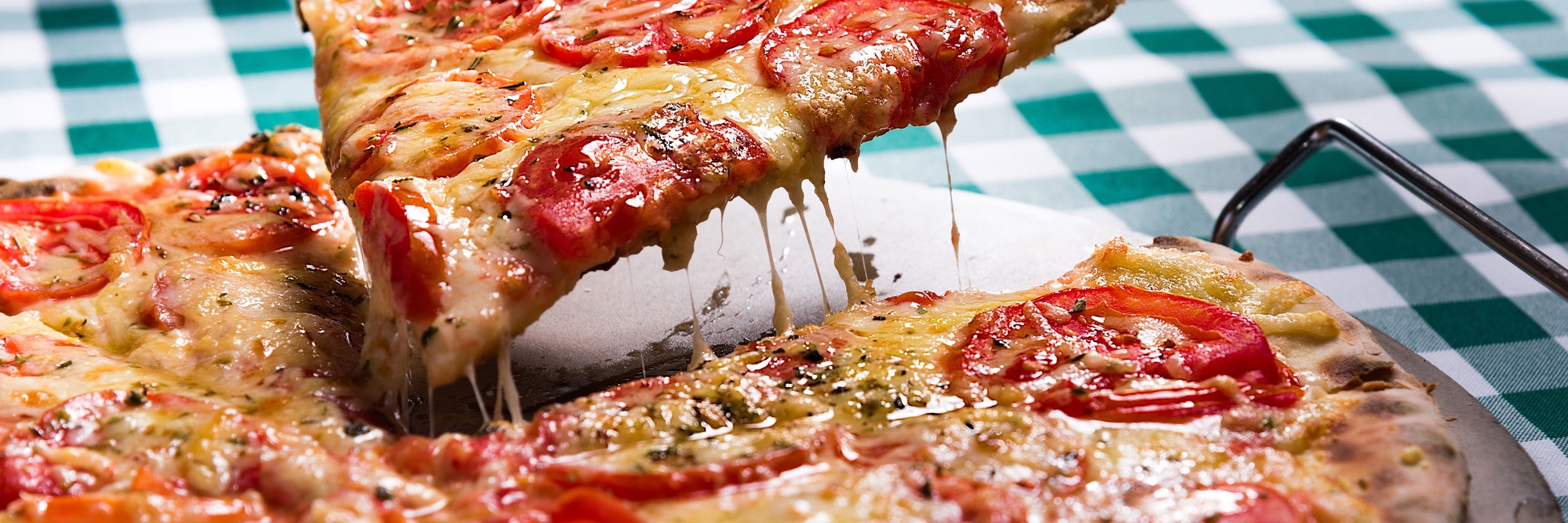
Even athletes with an awareness of healthy nutrition don’t always manage to eat fresh staple foods. The pros and cons of convenience products.
The first ready-made meal probably came from the USA. The «TV dinner» consisted of turkey with gravy, peas and mashed potatoes. It could be warmed up in the oven in its aluminium dish and then served. After its launch at the end of 1952, it became an instant hit.
Today there are countless different types of convenience products. Ravioli from a can, frozen pizza, instant soups or pre-made salads can be found everywhere in the food trade. The main advantages of such products are quite obvious: they save time and require no cooking skills. In our modern world, in which we seem to have less and less time, reaching for a ready-made meal is thus easy to understand and on trend.
Food and nutrition sciences have no definition for «convenience food». And legislation also only regulates a few foods that are used as ready-made foods. The most important category is infant formula. In addition to this are foods for special medical purposes (in the case of very specific diseases) or foods for a weight-control diet. By law, these convenience products must replace entire meals or the entire diet for a certain period of time. If they replace the entire diet, they must contain a reasonable amount of all the necessary nutrients. Should these foods have too few vitamins or minerals, as is often maintained in Internet forums, they shouldn’t be sold at all.
On the Internet there are also various, often pseudo-scientific sources that classify convenience products as carcinogenic or generally harmful to health. However, such a general assessment should not be taken seriously. The range of convenience products is so diverse and so many different ingredients and manufacturing processes are used, it is not possible to make a general statement.
Many also believe that all industrially manufactured foods are of poor quality. But even here sweeping judgements cannot be made. The quality of industrially produced food depends not only on the quality of the ingredients (raw materials), but the extent to which they are processed in particular. Gently processed raw materials of good quality allow for the production of high-quality industrial food. On the other hand, it is not possible to produce high-quality food through the improper or heavy processing of raw materials or the selection of low-quality raw materials.
For people with a stressful daily schedule, eating high-quality convenience products now and again can make life a lot easier. But if anything, they should be used as an alternative to normal meals and not as a chronic replacement. Those wanting to use convenience products should observe the following tips:
Author Paolo Colombani is a scientist and nutritional expert. Paolo Colombani is a co-founder of the wiss Sports Nutrition Society (www.ssns.ch). Today he runs his own sports and nutrition coaching and consulting company (www.colombani.ch).
Periodically we publish an interview with an interesting sports personality. Today with Adrian Rothenbühler, «Trainer of the Year».
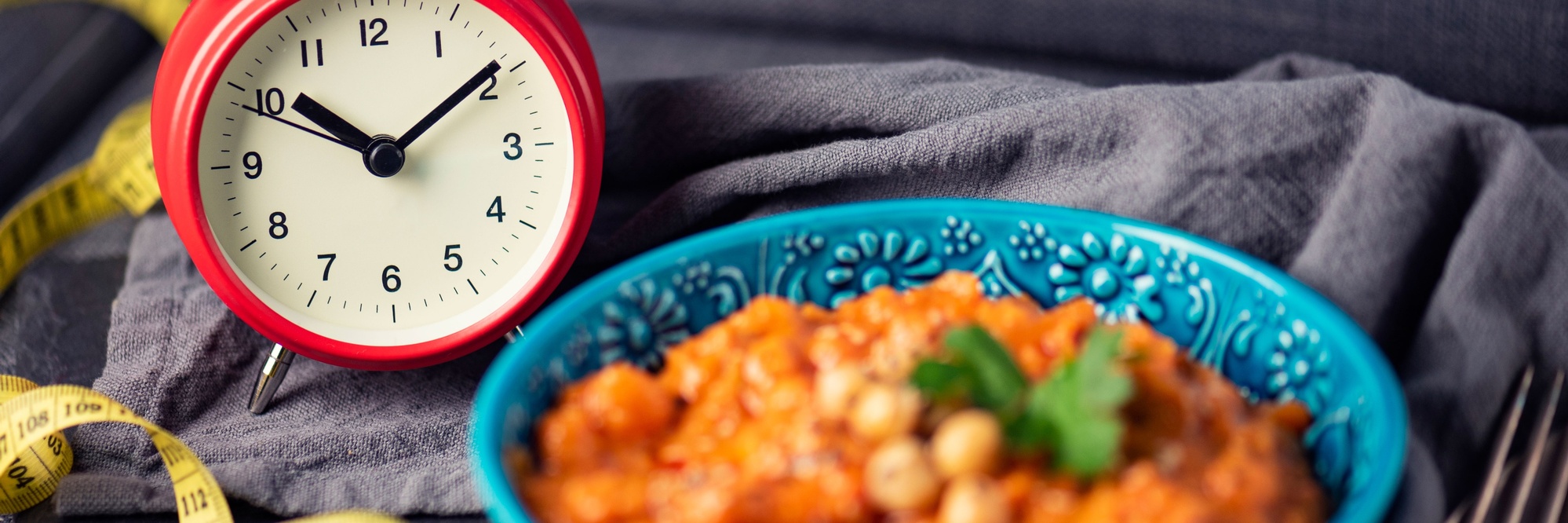
Intermittent fasting is bang on trend. What is it? Who is it suitable for? Is it compatible with sports? Here are the most important answers.