Interviews
Interview with Stephan Wenk
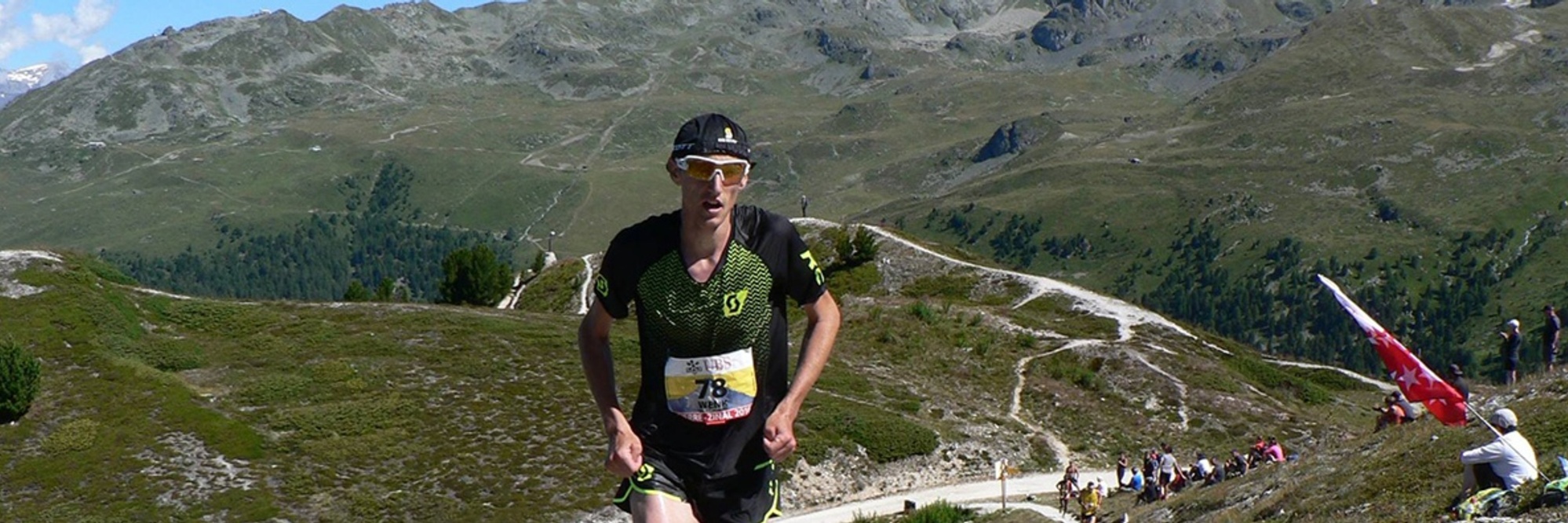
Periodically we publish an interview with an interesting sports personality. Today with Stephan Wenk, Swiss Champion Duathlon 2016, 3rd place at the Jungfrau-marathon (2016).
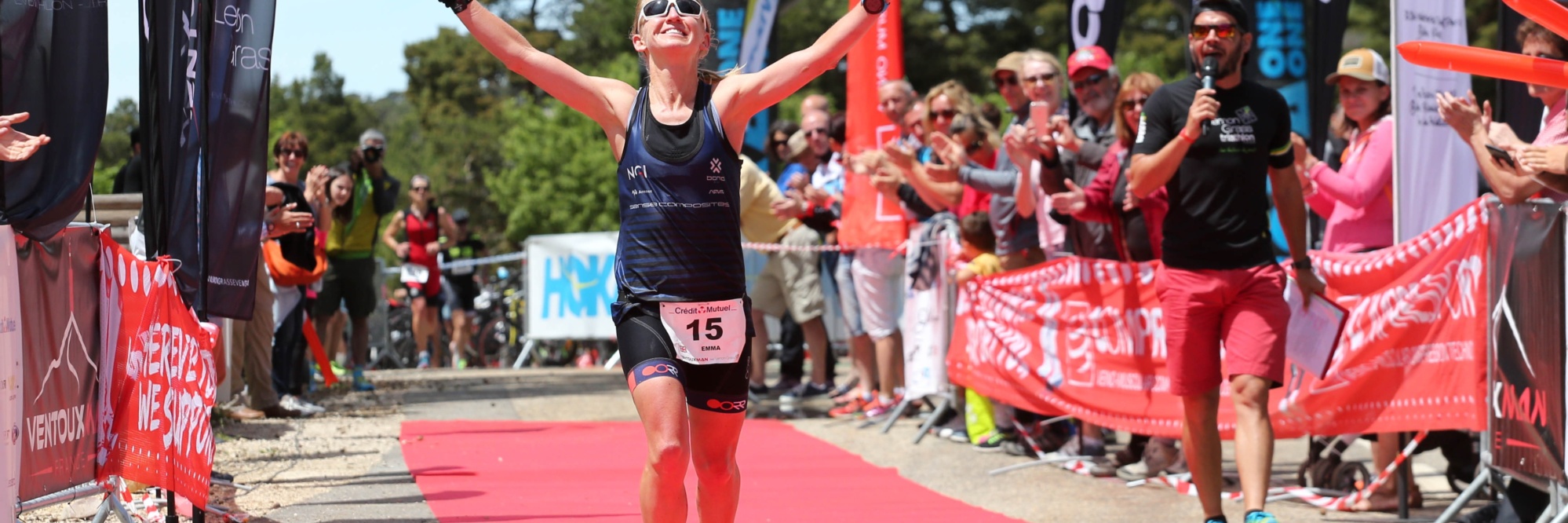
Emma Pooley, a Brit who has been residing in Switzerland for 12 years, has an impressive track record that boasts many victories in international running events, cycle races, duathlons and triathlons. The successful athlete completed her PhD in Geotechnical Engineering at the ETH Zurich in 2014 and has been competing as a professional ever since.
You can look back on an extremely successful career. What were for you the keys to this success?
Well, if I have had a „career“ in sport at all, it was an accident! I never intended to become a professional athlete - I have always loved doing sport, but it was never my plan that it become my career. I think that I have been extremely lucky with the opportunities that I had in cycling - I happened to take up the sport because of a running injury, and moving to Switzerland (for my PhD at ETHZ) was a lucky coincidence because here in Switzerland the terrain suits me (mountains!) for both training and racing. Then I was lucky that a wonderful local UCI team (Team Specialized Designs for Women) invited me to join them in 2007 - a team where I had access to great support, equipment, teammates, and races. Then I was also lucky that the TT course in Beijing suited my physiology… so really just a series of lucky coincidences. Perhaps the one key thing uniting that luck into some positive results is that I was willing to take the opportunities that came my way - not always an easy decision! And I was motivated to follow my dreams and ambitions in taking those chances, by the fact that I really love the sports that I do - but I am also realistic about my abilities and weaknesses, and sufficiently self-critical to know when I am wasting my time!
Your name can be found on the winners lists of many events. What are your training principles? What does your daily training routine look like?
There is no standard training day! The way I train - and the sports I train in - vary according to the race I’m targeting and the time of year. My basic training principle though is that hard work pays off! And I have learned a lot over the years about my body, but I still make mistakes in not resting enough… this is common for many athletes ;-) One major principle for me is that I know that if I run too much distance, I will get injured. So for running events and long triathlon & duathlon, I use the bike training to get a good base and “pre-fatigue” for run training - so that I do not have to do too many long runs. I found in the past that I can get really good fitness for running from cycling training - because it trains the cardiovascular system very well, to ride your bike hard!
If I were to describe my ideal day of training: I prefer to do any hard (eg interval) session first thing in the morning, and I like to set off early. Then if I have a second training session, with technique or endurance work, I have time to rest and recover before doing that training in the evening.

You became duathlon world champion for the first time 13 years ago. How has your training changed since then? What findings and products have changed and influenced your sporting life?
I had almost forgotten that duathlon world championship! And I don’t really count it as a major result, because it was an age group category and I think I was possibly the only person in my age group! But at the time I was very happy - I never thought I would compete at elite level.
Since then I’ve changed a lot - it took many years to learn to train and race as a cyclist, because cycling races are highly tactical and involve a lot of teamwork, different to my running background. But I learned a lot from that about the importance of the people you surround yourself with. And I certainly learned to train and race hard! You don’t know how hard you can really push yourself, until you are racing as part of a team and you HAVE to close a gap (or escape for the win!) for the team!
As a cyclist I also gained a lot of understanding about cycling equipment and what is important (and what’s not!) - helped by my background with a masters and doctoral degree in engineering. I find the technical challenges interesting and I enjoyed learning more through wind tunnel testing with the national team. There are extra challenges for me in some respects because I am quite small (1.57m) and it’s difficult to find a bike that fits me. I’m right on the limit of being comfortable on “standard” equipment and I’ve learned over the years how important it is to be both comfortable (for good power output and injury avoidance) and aerodynamic. A lot of other small cyclists are on bikes that do not fit them well and they don’t even realise - because they have never had the choice. I think it’s so important that I choose my bike and wheel sponsors (Bond bike and Sense Composite wheels) based on the best fit for me - custom built frame and wheels specifically designed for the smaller rider, with both 700c and 650c options. These and other details are very important to me.
As far as training, nutrition, and recovery go… yes, I have changed a lot. I believe that there are guiding principles for these things but that each athlete is different in what they need. I know that when enjoying my training (which is hugely influenced by where I train - so I love the beauty of Switzerland), and when I have good company for my training, I will be happy and sometimes that also pays off in success at a race. But the most important thing is to be happy :-)
What are your tips for winter training?
Well, I have to confess, I really find it hard to deal with the cold on my bike! I am a “Gfrörli” :-( So for many years I have spent part of the winter in Australia (where I have relatives and friends) to be able to do my “base training” in the warm! But that was because I had to be fit and race-ready in early spring. In the future, that won’t be an issue for me, and I actually look forward to the cold winters and to mixing up different sports for base fitness. Mentally and physically, it’s healthy to have a part of the year when you don’t focus on one narrow sport. So I think that fun winter training, mixing up Langlauf / running / hiking / strength training - and trying new things - that’s really good. And I love running in the snow! But for specific training in winter, when the weather can be so cruel (to a road cyclist!) there really is nothing better than a “smart trainer” like a Wahoo Kickr. I have one and I’ve been really impressed by the ride feel and the quality of the training. It means I have no excuses whatever the weather ;-)

Do you have a secret tip you would be willing to share with us?
I honestly think there is no such thing as one single key training session that can make an athlete! An athlete’s fitness is the sum of months and years of training sessions (and recovery, etc). My tips would be more general: first, enjoy your training. Second, train with other athletes if you can - athletes who are stronger than you, and who will encourage you to improve by trying to keep up (I am so grateful to my training buddies!) - if they are good company it helps too ;-) Third, coffee stops with snacks ;-) if anyone reading this wants some ideas for healthy training snacks, they can follow my baking on Instagram @pocketporridge !
Periodically we publish an interview with an interesting sports personality. Today with Stephan Wenk, Swiss Champion Duathlon 2016, 3rd place at the Jungfrau-marathon (2016).
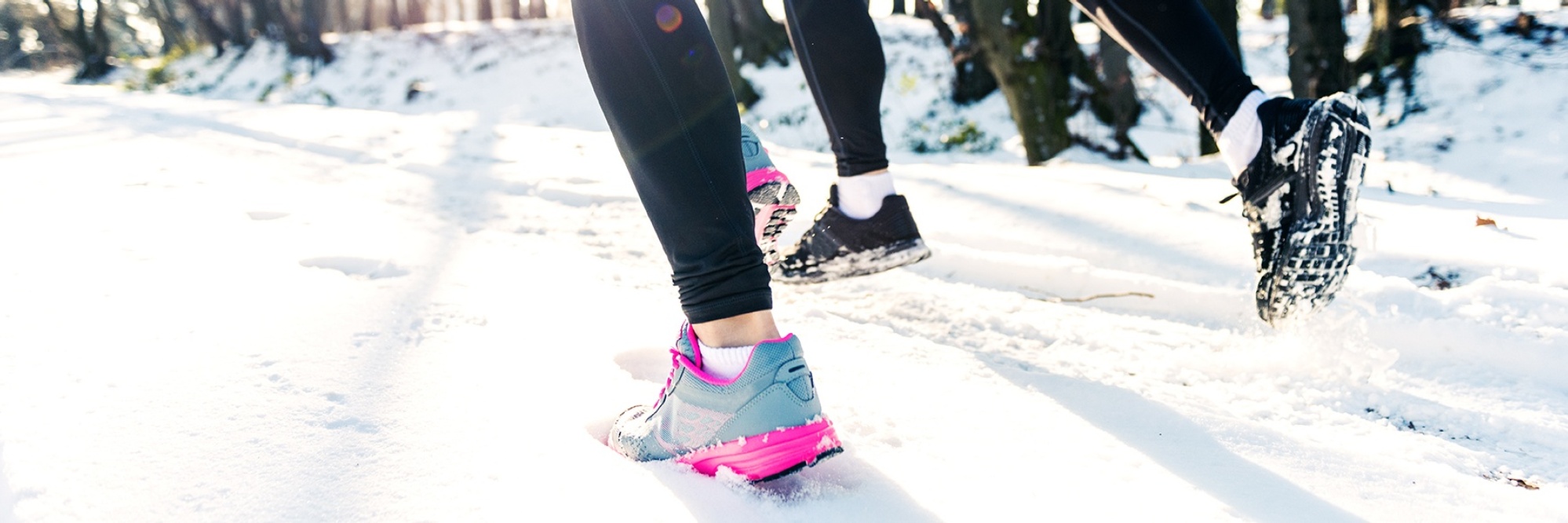
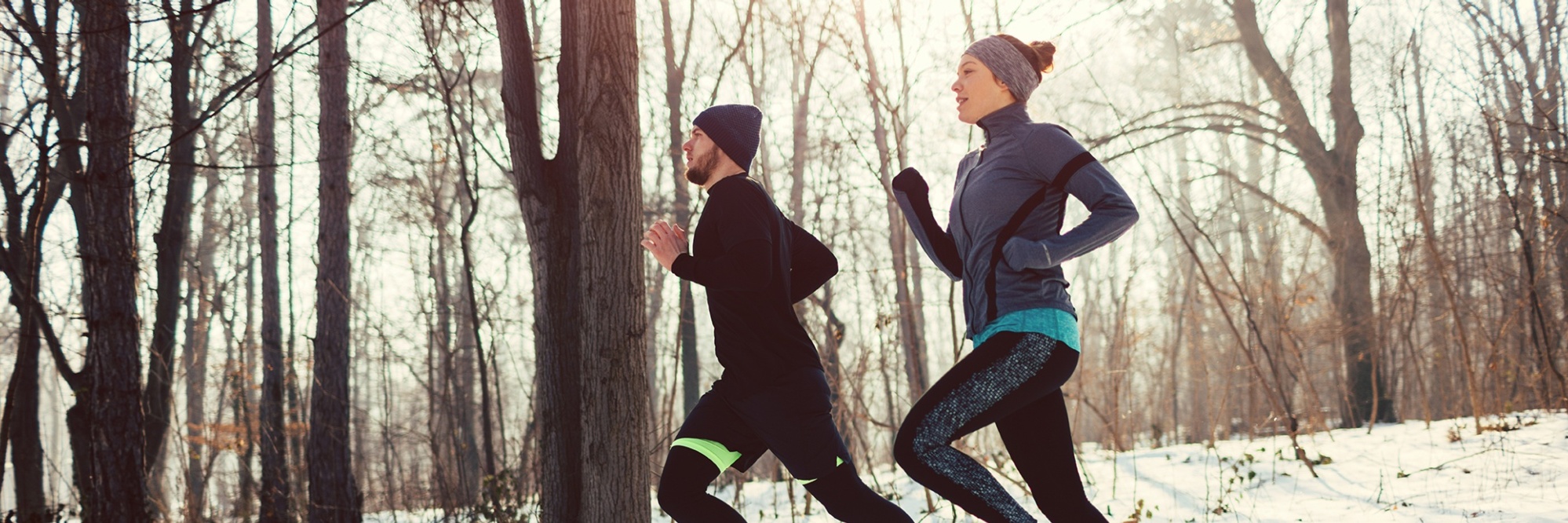
In winter, many runners shift their training to snow-free roads or indoors – but this need not be the case. Running on fresh snow-covered forest paths or on one of the fantastic Swiss winter hiking trails offer experiences of a special kind. Give it a try!