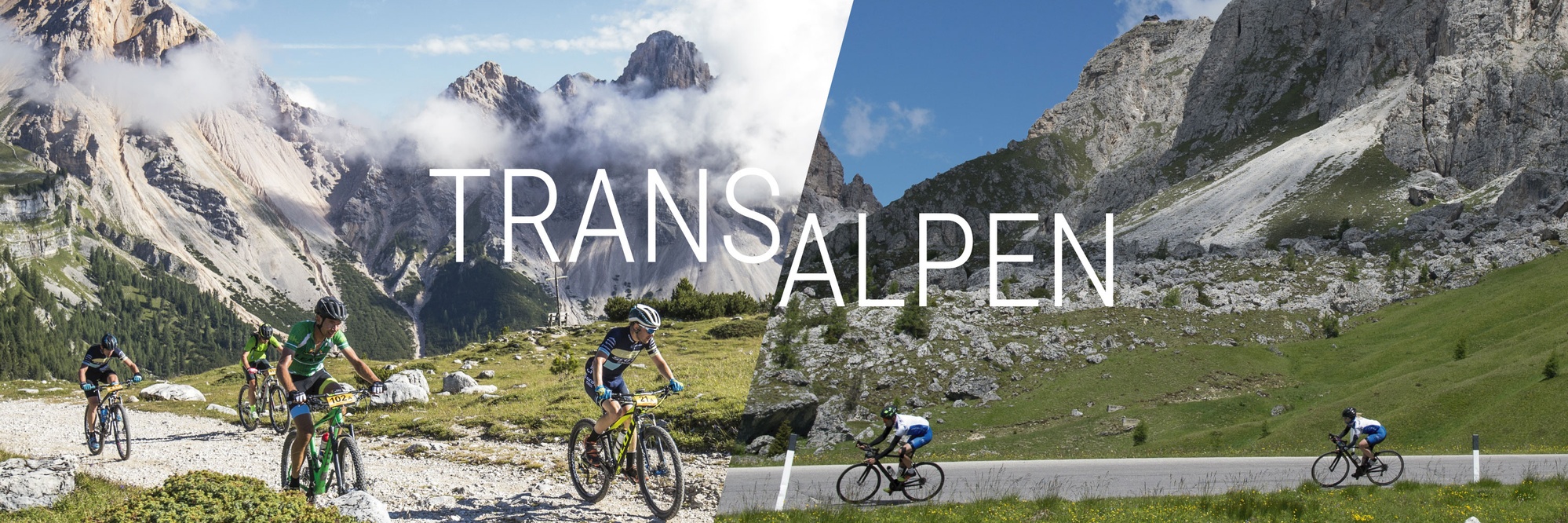
Since 1998, the Delius Klasing Verlag organizes the BIKE Transalp for mountain bikers. In 2003 the TOUR Transalp was added as second multi-day marathon for racing cyclists. In an interview, race director Marc Schneider explains what the uniqueness of the Transalps.
What is the difference between planning a Transalp course and any other race?
It's a big puzzle, that starts with the acquisition of the stage locations, roundabout one and a half year before the events. This makes it difficult on one hand, on the other hand it offers exactly the attraction that makes the Transalps so fascinating. After all, we're not planning the week with one region, but eight locations each, which have to fit together in terms of route planning. For each Transalp, over 20 potential locations are being addressed and negotiated with. The exciting and attractive thing is the cultural difference of all these towns. In Allgäu or Upper Bavaria, in Tyrol, Vorarlberg or the Salzburgerland, in South Tyrol, Trentino, Lombardy, Veneto or Graubünden we have partners with different ways of thinking, different structures, their own language - we have to adapt flexibly to the local conditions. But it is precisely this change in landscape, language, culture, architecture and food culture which is the invaluable asset transported by the Transalp. You can copy the idea of a stage race, but not the Alps. This brought us to our slogan: #cantcopythealps
What is the difference between BIKE and TOUR Transalp?
The daily routines and the logistics in the background are the same. Also, the panoramas and constant changes in mountain landscapes, that the participants are experiencing, are very similar. In short: the experience of conquering the Alps on your own is basically the same. The differences result from the natural difference between racing and mountain biking – and a little bit from the different types of cyclists. Racing cyclists are collectors. Pass roads are mentally carved into the frame like the number of enemies killed on the colt of a revolver hero. However, we have lived up to this claim since the first TOUR Transalp. We are always able to install the most famous and spectacular of all Alpine passes in to our route. The speed is especially high on the descents, the stages are on average about 120 kilometres long. For us this means a large number of marshals and accompanying motorcycles on the road. For mountain bikers, the names of passes are less important. Trails are a biker’s goal. If these run into a large Alpine panorama, the nerve is fully struck. Stages are on average about 80 kilometres long, the speed is lower. Transalp bikers have to be ready to suffer and also push or carry the bike for a short time. Downhills often require a lot of skills. The BIKE-Transalp therefore has a slightly more adventurous character. It is difficult to say which of the two is more demanding in terms of sport. The weather often decides whether a stage is difficult or easy.
Which routes are scheduled for 2019?
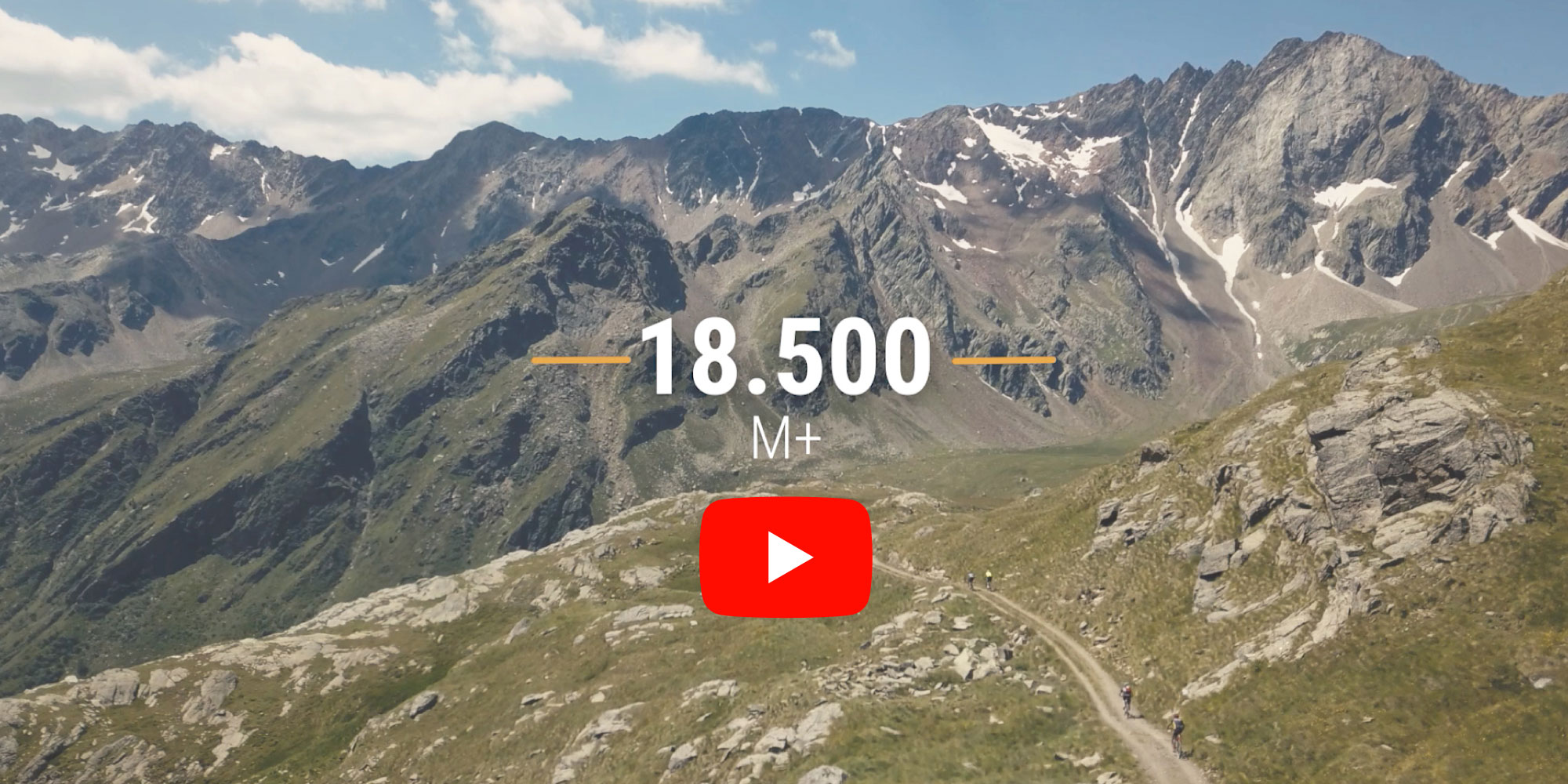
For the TOUR Transalp Innsbruck is new to the club of stage towns as the starting point in 2019. Via Brixen and Kaltern we continue to Bormio and finally via Livigno, Aprica and Ossana in the Val di Sole to Riva at the Lake Garda. The 2019 route is dominated by the mountain giants of the Ortler and Adamello regions. Some of the highlights are the breath taking Gavia Pass, the Umbrail and Bernina Passes or the Giro Classic, the Passo Mortirolo. The BIKE Transalp 2019 is a unique sightseeing tour through the Dolomites with the stage towns Brixen, St. Vigil, Welschnofen/Eggental and San Martino di Castrozza. For the first time, Tux in the Zillertal will be the starting point and Molveno, at the foot of the mighty Brenta, the final destination. Only Folgaria and Trento are missing for a crazy mix of culture and landscape, which was already described above. In 2019 I am very satisfied with both Transalps, more Alps in one week is not possible.
All information about the BIKE Transalp and TOUR Transalp:

www.bike-transalp.de
Facebook
Instagram