Tue, August 4, 2020Fast, economical, and elastic running thanks to «skipping»
Sandra Zürcher
At first glance, «skipping» seems to be a rather unspectacular exercise in the ABC running drills. This first impression is highly deceptive – for four reasons.
«Skipping» – or «lifting your knees up as you run» – trains and improves your cadence, elasticity, body posture and motor coordination. Discover the advantageous effects of skipping.
1. Improve your cadence
Do you know your cadence? This refers to the number of steps per minute.
For an economical, joint-friendly running style, amateur runners need 160-180 steps per minute. Many keep-fit joggers have a cadence of 120-140 – which involves long strides, excess cushioning of the knees, as well as great stress on the muscles and joints. In a marathon, top athletes run at a cadence of 180-210. Skipping improves your cadence: integrate it regularly into your running training and you will increase it within two to four months. The focus here is on:
fast and controlled footwork
a quick and flat forefoot strike
active leg and knee raises with a stable pelvis/torso.
2. Improve your elasticity
Elasticity is a property that is particularly important when skipping. It's like jumping rope: when you keep your core stable, activate the muscles in the underside of the foot (pretension in the foot) and jump rope with slightly bent knees, it looks dynamic and is highly efficient. Why? Because you are using the intrinsic elasticity of the tendons and fascia. The energy when landing on the ground is converted into pretension and is immediately used again for the rebound – almost like on a trampoline. If you were to bend your knees each time and primarily use your muscle strength instead of tendon elasticity as cushioning, this would be efficient for the muscles but stressful for the joints. For more explosiveness and elasticity, pay attention to:
active forefoot running with a lot of pretension in the foot
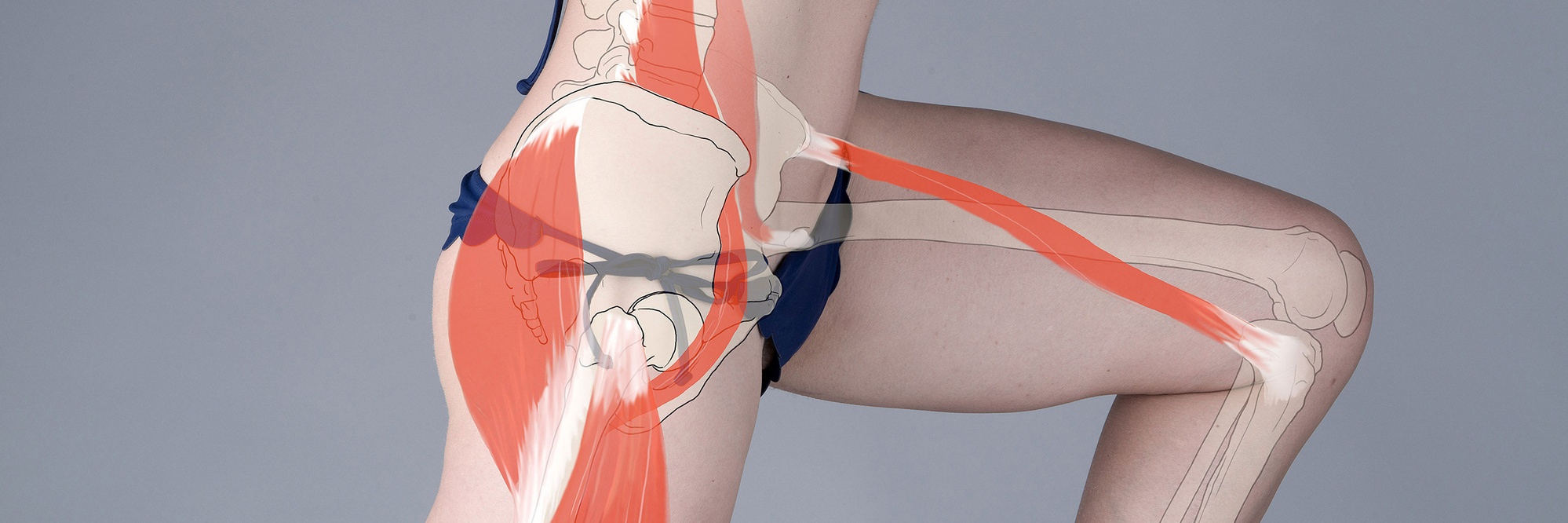
a stable pelvis and active hip extension combined with leg raise
good body tension, upright upper body, active arm swing.
Good body tension is a prerequisite for a good posture. A small experiment: during your next training unit, run a short and straight stretch as lax as possible: landing on the heel with a slight sitting running posture, rounded back, and arms hanging loosely. Note: although widespread, this running style is unfavourable in terms of joint stress and running economy. Now change your posture: run upright, dynamic and with a stable core. Apply these points:
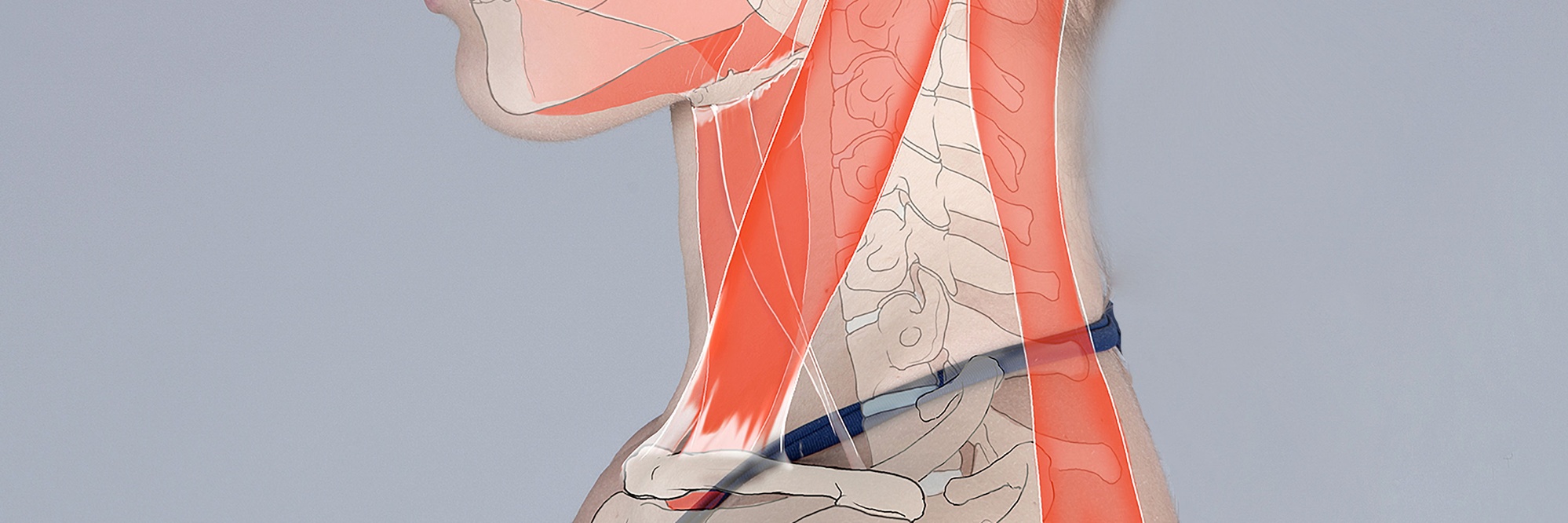
hold your head up, look straight ahead, lean slightly forwards with knees in line with the forefeet.
The pelvis is erect, with an active rear hip extension and active front leg raise.
When skipping, the focus is precisely on these criteria!
4. Improve your coordination
Imagine: you're on the bus when there is a sudden unexpected change in direction. How does your body react? Do you stay calmly in balance, do you hang on tight or do you fall? Responsive coordination provides stability and protects against injuries. In addition to its other advantages, skipping is intensive coordination training. Don't expect a perfect round the first time. The body must be warm, and precision and patience is required:
start with a straight, 10 to 20 m-long route
make sure you have a precise movement pattern
start slowly and slowly increase the tempo.
You might be interested in
General tips
Jumping rope: high intensity training at half load
Jumping rope on a regular basis provides the perfect link between walking and running. It prepares your body for the running season in a targeted manner and will bring your running style to the next level.
General tips
Posture check and gait analysis
Standing, walking, and running. The activities change, the body stays the same. If you are aware of your own posture and movement patterns, you’ll get more out of running – and life.
General tips
Muscle imbalance: interpret body signals correctly!
80 % of the population has a desk job, meaning hours of sitting motionlessly in front of a screen. A round of jogging as compensation is not nearly enough!