
General tips
Heart rate, pace or watts? How to choose the right indicator depending on your training intensity
Heart rate, speed or watts? What you opt for depends on the intensity of your training.

COVID is no longer a major issue in society and sport. While the virus has not disappeared, it is now considered a ‘normal’ viral infection. Here’s what to consider when resuming training.
COVID is no longer a major issue in society and sport. This is mainly due to the fact that far less testing and searching for it is taking place. But the virus has not disappeared, quite the opposite. New variants keep emerging that can affect everyone. In case of an infection, the treatment is the same as for any ‘normal’ viral infection. Important: the signs of infection should be taken seriously. If you are feeling unwell, you should physically distance yourself from others, rest and don't start training again too soon.
1. Rest period and medical assessment
2. Gradual return to sport
3. Full training after 3-4 weeks
If you start training without relapsing and you feel fit, you can slowly return to normal training. Keep listening to your body and gradually increase the intensity.
4. Signs you need to take a break
If you experience symptoms such as shortness of breath, chest pain, palpitations or extreme fatigue during exercise, you should immediately stop and seek medical attention.
These guidelines apply generally and not only after a coronavirus infection.
It is important to gradually and carefully approach exercise after a coronavirus or other viral infection to minimise risks and ensure that the body has fully recovered before resuming intense activity.
Heart rate, speed or watts? What you opt for depends on the intensity of your training.
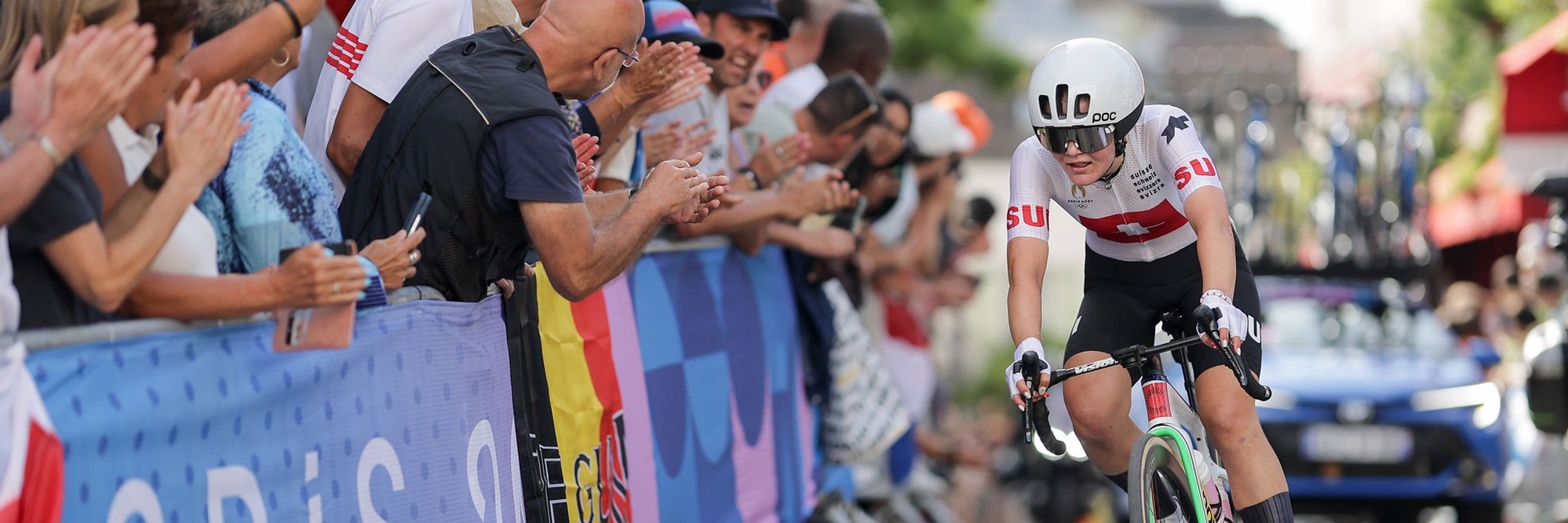
A month ago, Noemi Rüegg came 7th in the road cycling race at the Paris Olympics. In doing so, the 23-year-old from Zurich and reigning Swiss champion rounded off an already successful season.

Many athletes’ secret to success is that, alongside training for their main discipline, they also regularly do alternative forms of training. The results speak for themselves – and should motivate you to take a more rounded approach too.