Interviews
Interview with David Loosli
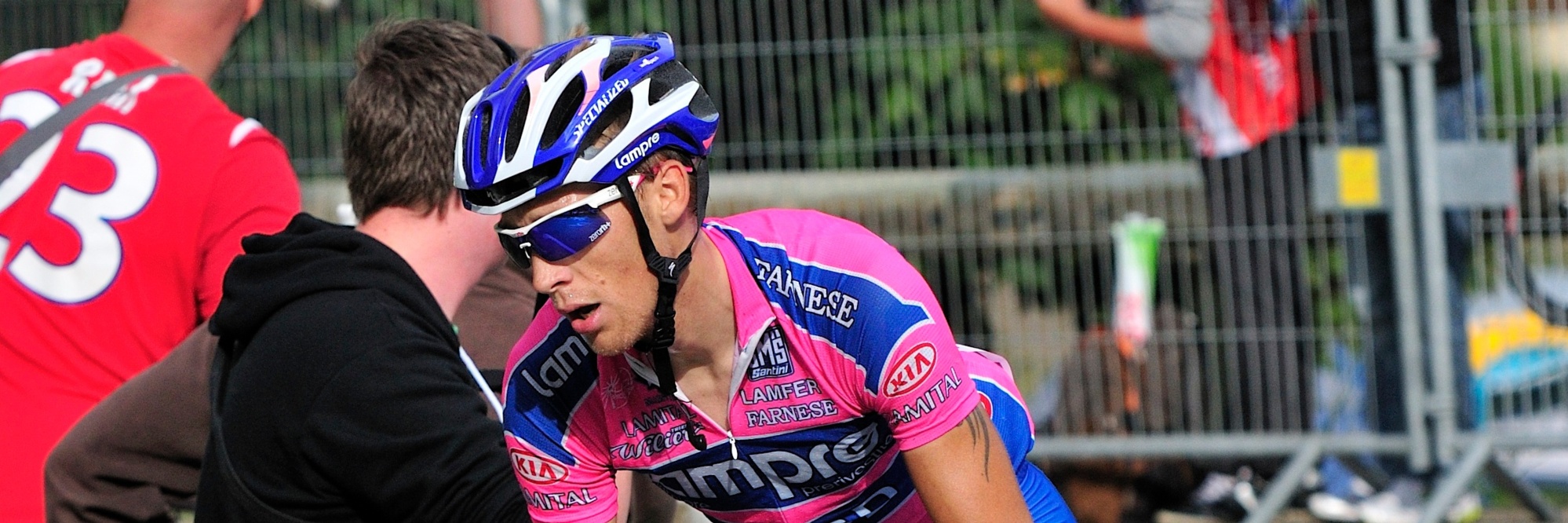
Periodically we publish an interview with an interesting sports personality. Today with David Loosli, former Swiss cyclist and UCI Road World Championships Under-23 bronze medallist.
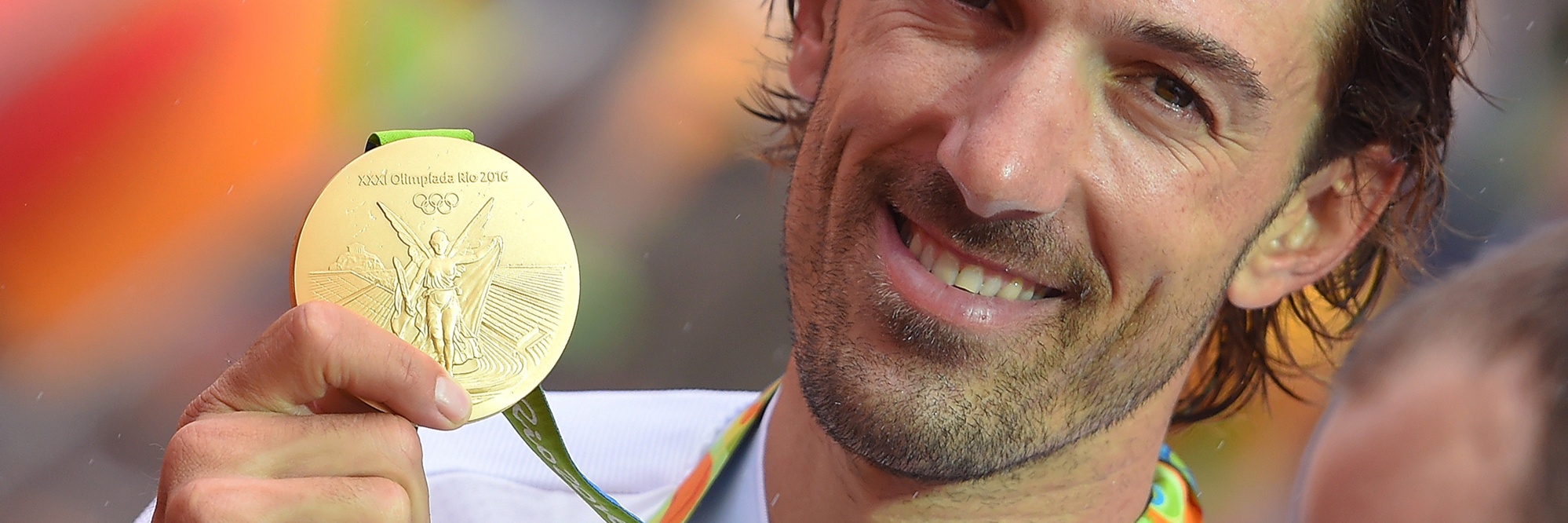
Cancellara figures among the most successful 21st century race cyclists in the world. He was a specialist in individual time trials and tough one-day races, in particular the prestigious spring classics. Among the “Monuments of cycle racing”, he managed to win Paris-Roubaix and the Tour of Flanders three times each and the Milan-Sanremo once.
You ended your career a few months ago. What professional and sporting challenges will you take on now?
I won't be resting on my laurels, but will be active in three areas: first, I'll be doing further studies, secondly, travelling as an ambassador for businesses and, thirdly, applying the knowledge I've acquired to sports projects.
Sport will play an important role for me in the future too. My body needs it. In the past, I had to do it, now I can choose. I will continue to cycle, then also do distance running, jogging and skiing. I'll take part in competitions to not lose touch, as an adventure and to broaden my horizons. Concretely speaking, I will first take part in 2 triathlons.
At the Olympic games in Rio you achieved a great, if not the greatest success, of your career. What were for you the keys to this success?
There are very many areas which must come together in order to achieve success. I think that, in my career, I was able to attain a high level in all these areas and therefore I was successful. I count among these, for example, the mental sphere, handling the pressure, willpower, specific training, timing and - very important - experience. It’s the be-all and end-all and helped me to always do the right thing near the end of my career
For success in Rio, it was crucial for me to listen to my inner voice and leave the Tour de France at the right time. Also, I never gave up in bad times and remained mentally-focused. I specifically simulated the race on a very similar circuit to the time trial route in my training area.
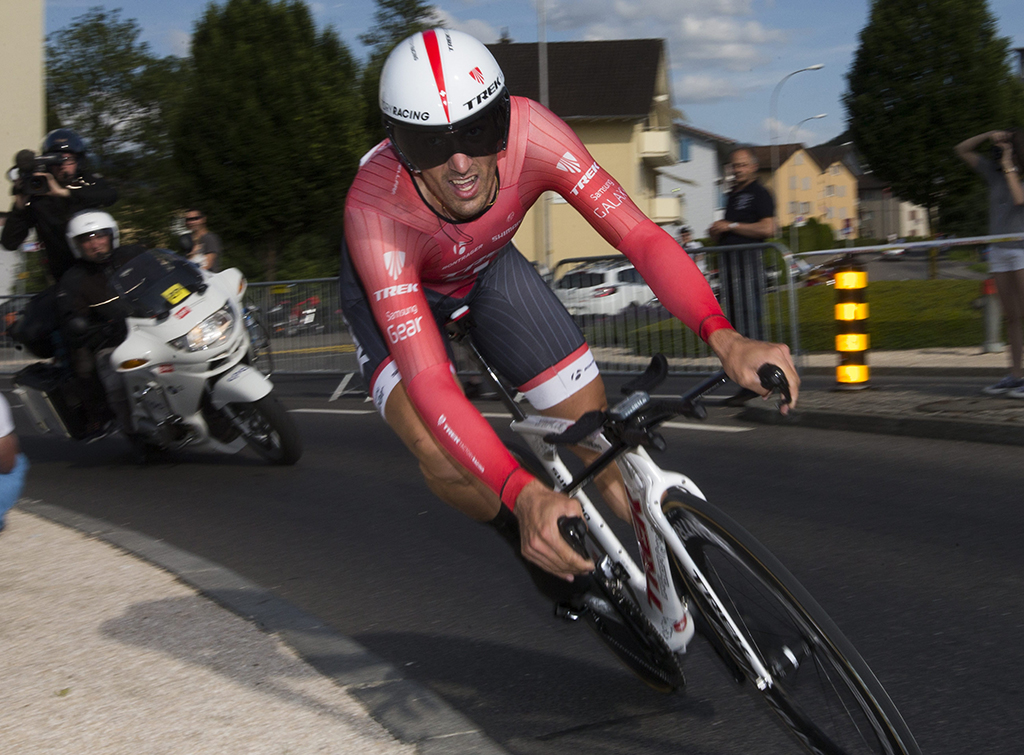
Year after year, you were among the frontrunners, even dominating your major goals for the season. What were for you the most important points that led to such success?
I always set my sights high and had high expectations of myself. I was ready to train hard. Experience over the years made me an increasingly successful race cyclist who always remained true to himself.
How has cycle racing changed in recent years? What is the profile of cyclists today?
It has all become more professional and more technical. Whoever thinks only about racking up kilometres and then recovering, will no longer have a place among the frontrunners. Today rather, it's all about optimisation in as many areas as possible. I'm thinking in concrete terms, for example, of the training sessions, which have become less extensive, yet more intensive, and could be analysed down to the last detail, or of the greater significance of nutrition or trunk stability. For example, the training run is shortened by around a half hour, so as to work on trunk stability. Another major difference is that the race calendar is much fuller now than at the beginning of my career. There are significantly more races at the beginning of the year especially.
Periodically we publish an interview with an interesting sports personality. Today with David Loosli, former Swiss cyclist and UCI Road World Championships Under-23 bronze medallist.
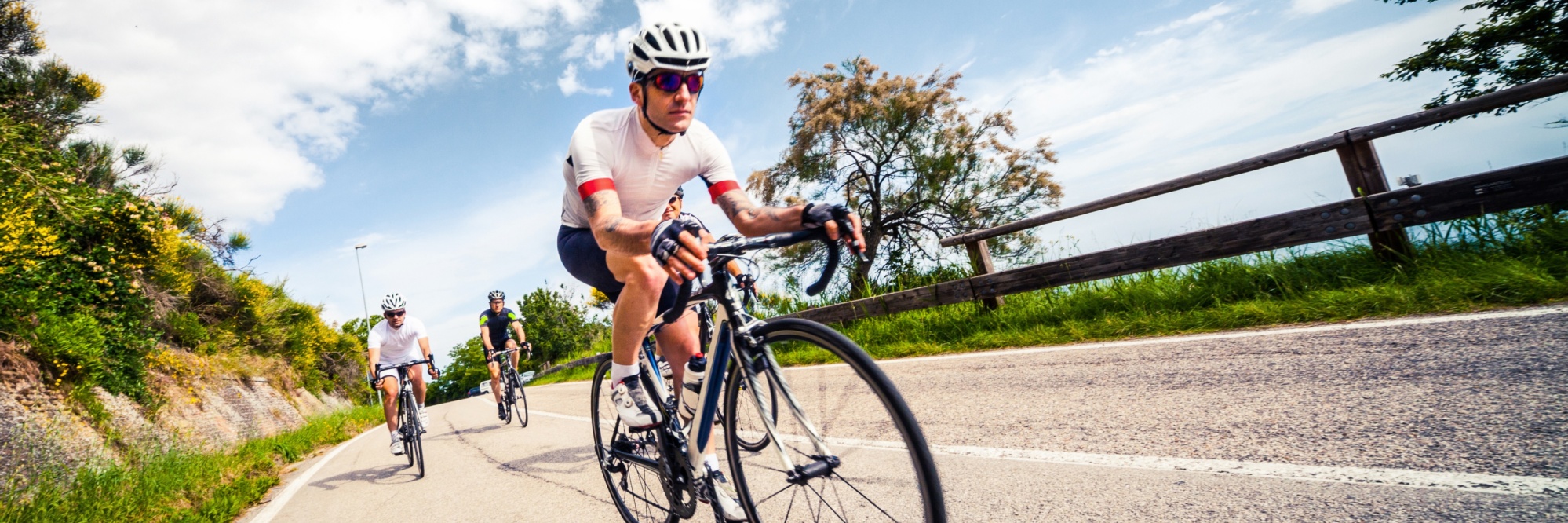
Biking is probably one of the most underestimated sports. But economical pedalling is not a matter of course, but rather the fruit of years of training. We've collected the best tips.
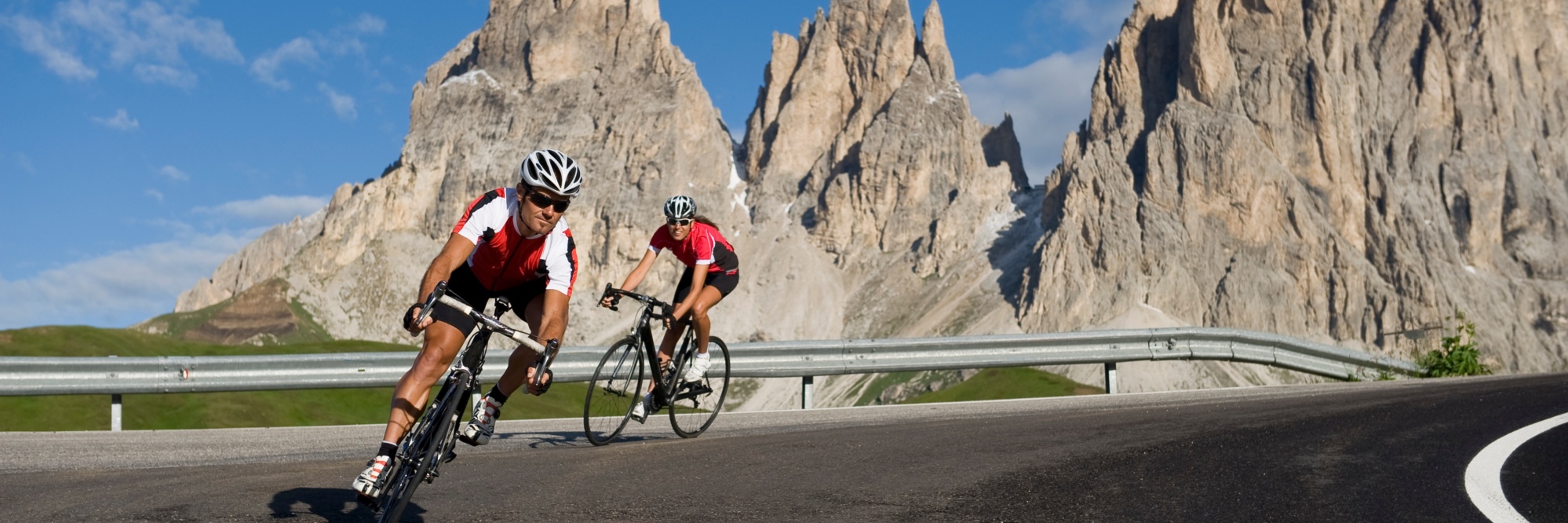
In Switzerland, countless hobby racing cyclists spend an amazing number of kilometres in their racing saddles. The best tips on how you can make your bike training more exciting and become faster with the same amount of effort.