Interviews
Interview with Calum Neff
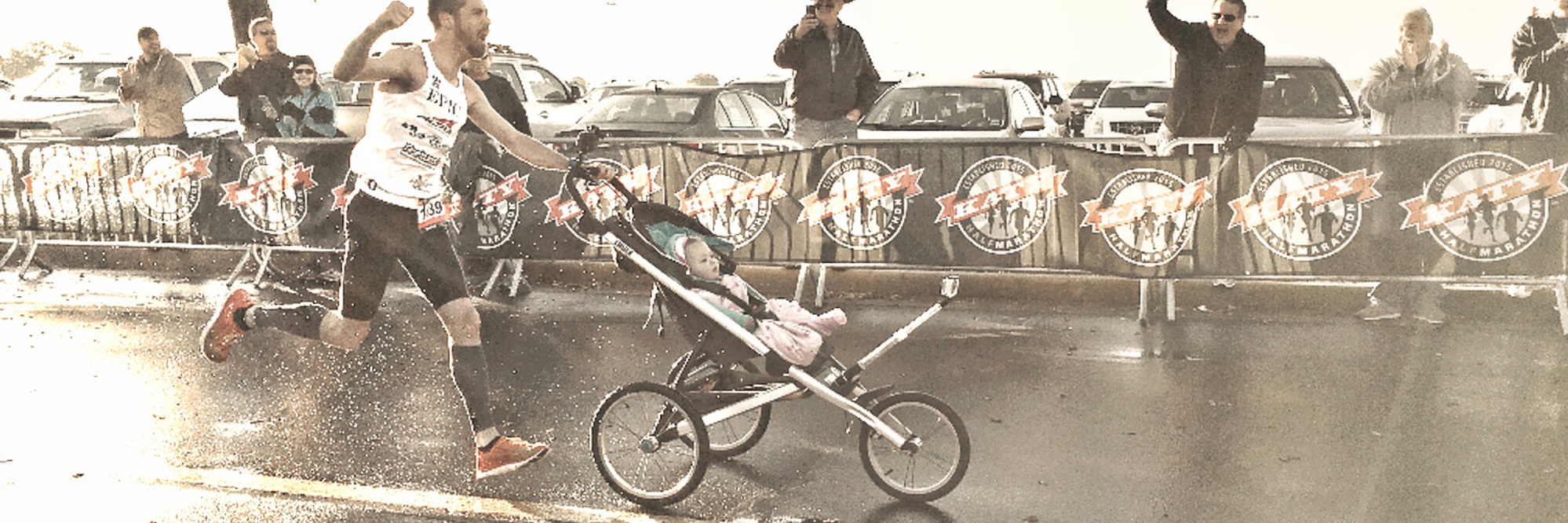
Periodically we publish an interview with an interesting sports personality. Today with Calum Neff, world record holder half marathon and marathon with stroller.
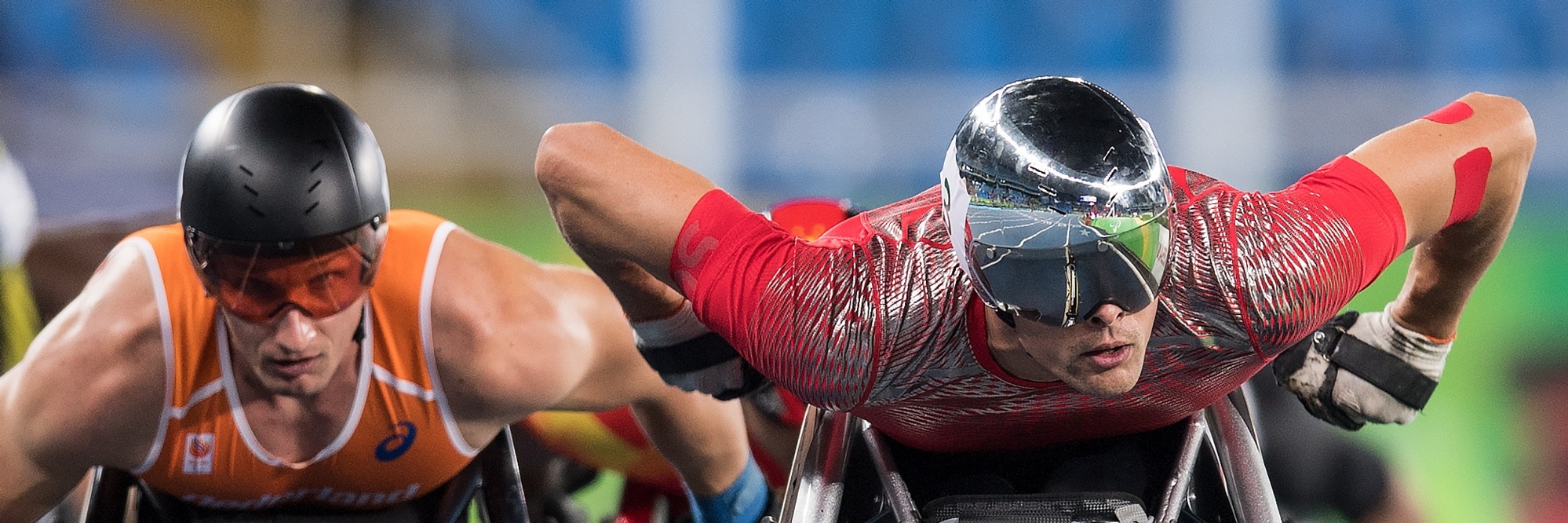
Currently Switzerland’s most successful disabled athlete, Marcel was born in 1986 with an open back (spina bifida). He participated in his first wheelchair race at the age of 10. Since then, Marcel Hug has won several Olympic medals as well as World and European Championship titles.
By winning the gold medals at the Paralympic Games in Rio, you fulfilled a big dream. You actually won four medals in total: two silver and two gold. How did you find the Games and what do you feel about the success you achieved? What emotions come up when you reminisce?
I naturally have some very good memories of Rio 2016. As far as I can judge, the games were well organized. I just wasn’t so taken with the opening and closing ceremonies. My personal highlights were of course winning my two gold medals. I was thereby able to fulfil a long held dream.
You participate in distances ranging from 800m through to the marathon. Can you give us an overview of how you organise your training?
The marathons tend to take place in spring and autumn. During this time, I do more long-distance training on the road. Before each of these marathons, I do an extremely tough marathon block for one week, where I complete up to five training marathons so I can recover afterwards and be fit for the marathons.
In the summer, the focus is then on track racing whereby I shift my training from the road to the track.
I generally train up to three units a day, six days a week. In addition to wheelchair-racing training, I do 2-3 strength training units, condition and coordination training in the gym, as well as complementary sports training (such as hand cycling or cross-country skiing). It goes without saying that alongside training, recovery is also very important. I therefore have regular massages or use the cryotherapy chamber.
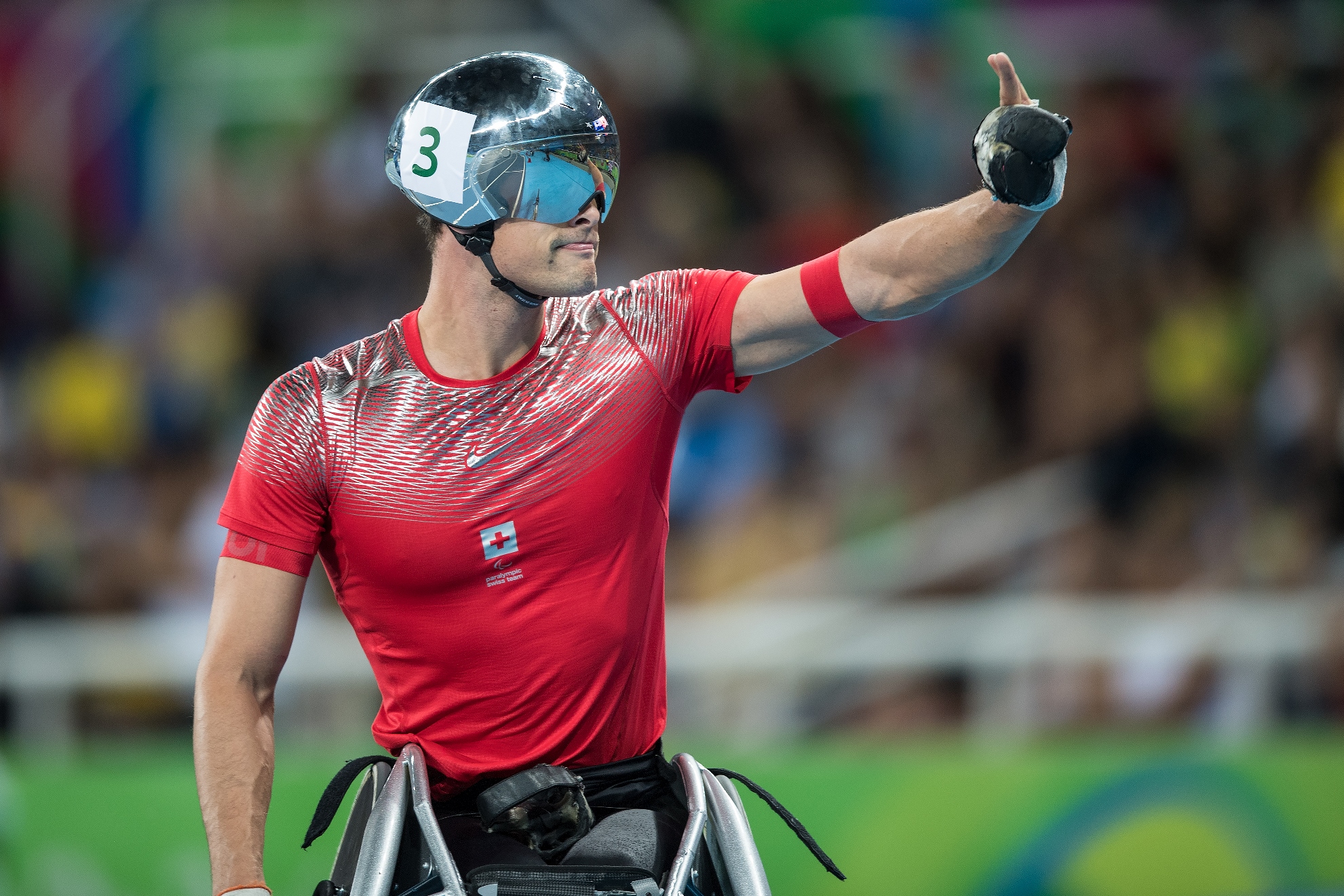
Despite your disability, you have managed to deliver top-level results for many years. What tips do you have for all those people fighting a physical ailment?
For me, the disability has no influence on my top results. My maxim is that everyone can make the best of the capabilities that he/she has, irrespective of whether they use a wheelchair or not. It is thus difficult to give any tips, except for the fact that you should always believe in yourself and develop your capabilities.
You also race in your wheelchair at major marathons such as the Berlin, London, or New York marathons. Can you tell us how you organise the trip, the race, and everything else with the wheelchair?
I basically never travel alone to competitions. My trainer usually comes with me. This of course helps a lot when it comes to transporting luggage or other organisational matters. In the aircraft, we are brought down the aisle to the seat in a special narrow wheelchair. Otherwise, the wheelchair has no further influence on the trip, or the competitions etc. Travelling at short notice, however, always poses a special challenge for us. I prefer to travel to the marathons shortly beforehand and then leave again as quickly as possible. From a tourist perspective, this is a shame of course, because I hardly get to see anything of the places I visit, but from a sporting perspective it makes sense for me. Because by doing so I can largely avoid jet lag. I can prepare myself for as long as possible in familiar surroundings, give a good performance, and then recover again quickly.
Periodically we publish an interview with an interesting sports personality. Today with Calum Neff, world record holder half marathon and marathon with stroller.

The key to success in sports not only depends on the effort, but also the recovery. Only those who are sufficiently recovered can achieve peak performances.
