Interviews
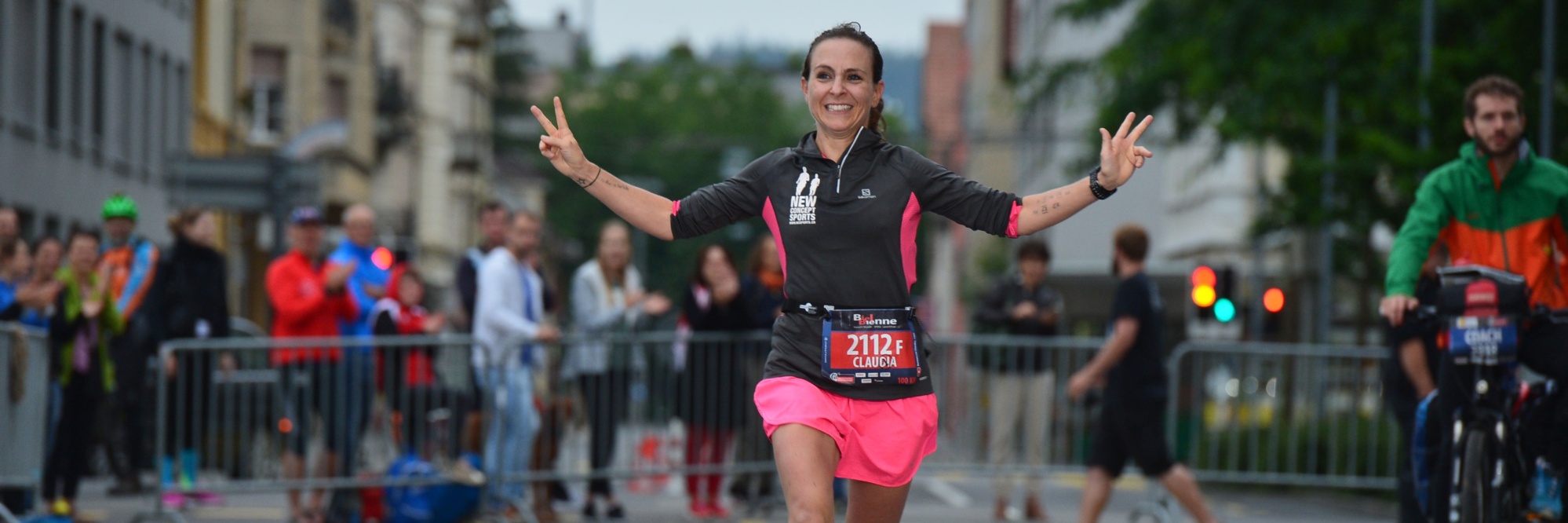
Interview with Claudia Bernasconi
Periodically we publish an interview with an interesting sports personality. Today with Claudia Bernasconi, winner of the Swiss Championship 100 km.
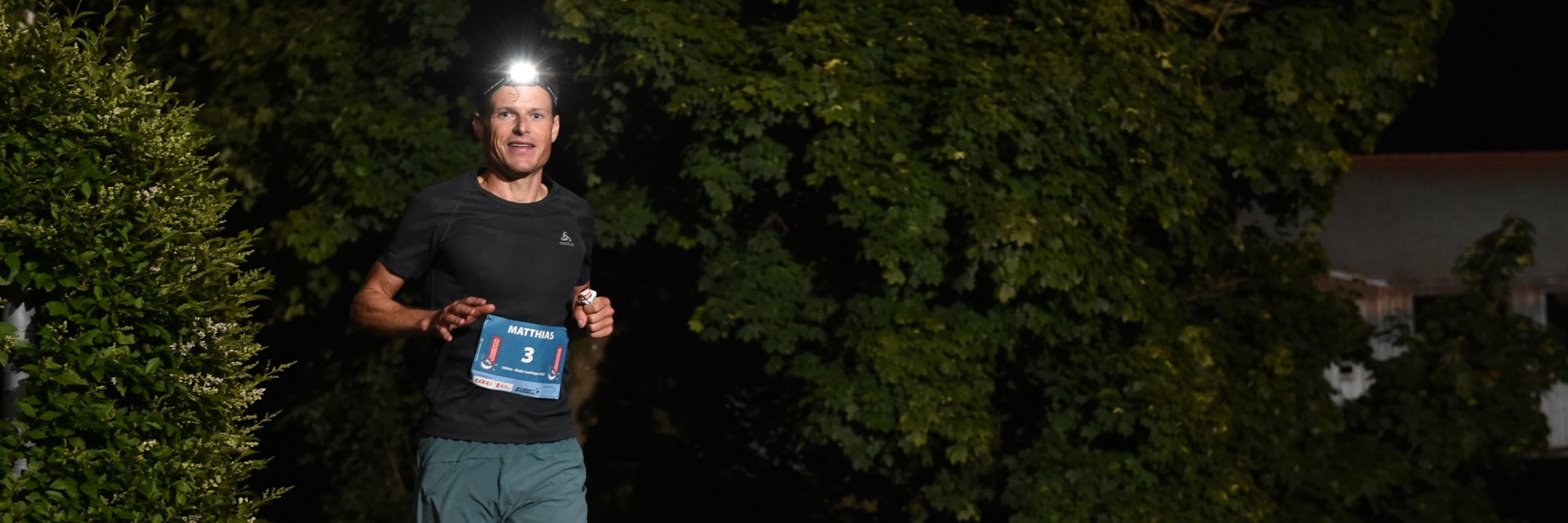
It worked on the second attempt. Matthias Schmidig became the superior 100 km Swiss Champion at the Biel Running Days.
How did you find «your» day (or rather: your night)? Can you give us an insight into your race and how you were feeling?
The day of the race was quite relaxed and I wasn’t overly nervous. I was really looking forward to the Night of Nights. Since so many unexpected things can occur at an ultramarathon, I was naturally already thinking about what could happen and when. At the same time, I knew I was well prepared and ready for the race.
The minutes before the start are always incredibly beautiful and emotional for me. I always feel part of a big community and look forward to running together with like-minded people who share the same passion. It doesn't feel like an actual race against competitors. You interact and wish each other good luck and joy for the upcoming run.
After the starting shot at 22:00, I took the lead along with last year's winner. We ran together through Biel, cheered on by the large, loud audience. We kept a solid pace until around halfway through the race. My legs felt good and it was nice to be running with a strong runner I knew. A little later I eventually found myself alone at the front. My legs got heavier and heavier and my muscles became somewhat tense. I hoped I would be spared any cramps.
From the 70-km mark I realised for the first time that I could win the race with a comfortable lead. As a result, I concentrated on consuming enough fluids and energy and slowed down a bit. During the last few kilometres, the atmospheric dawn gave me an extra boost, and I was just happy and glad to arrive at the finishing line. However, at this time the success still hadn’t really sunk in.
You ran the 100 km at an average of 04:31 min/km. What did your training programme look like? What is your training philosophy?
I usually do 5-6 training units a week. I make sure there is variation in intensity and scope in the individual training units. In addition to running training, my preparation also includes cycling on a road bike and mountain bike. I can thereby introduce other stimuli and at the same time reduce the load on my joints, which occurs when running. What’s more, I simply find it more fun to incorporate some variety into my everyday training. However, I have deliberately increased the running distances a bit so that my muscles, joints and feet are prepared for the 100 km. Each week I run around 60-80 kilometres and cycle 300.
I don’t have a training plan. I train according to how I feel and my mood. For me, the focus is on the joy of movement. I always try to listen to my body and treat it to the necessary recovery. There is certainly still potential for optimisation here.

Many runners toy with the idea of participating in an ultra run at least once in their lives. What are your most important tips to ensure this endeavour succeeds?
In your opinion, what are the fundamental 3 most important factors that lead to success?
Do you have an insider tip you would be willing to share with us?
I don't really have any insider tips. Each athlete is individual and different. Therefore, everyone has to find out for themselves which equipment fits best, which forms of training are efficient or which diet works well. But I feel it is very important to know and listen to your own body. I make sure I have a balanced and healthy diet. I don’t eat meat and have reduced my consumption of animal products. This has had a very positive effect on my regeneration.
A positive attitude can be very effective and impacts the body’s performance capability. Focus on what you've achieved. Consider setbacks as an opportunity to learn and move forward. Enjoy and be grateful for every step that you can and may take…
Periodically we publish an interview with an interesting sports personality. Today with Claudia Bernasconi, winner of the Swiss Championship 100 km.
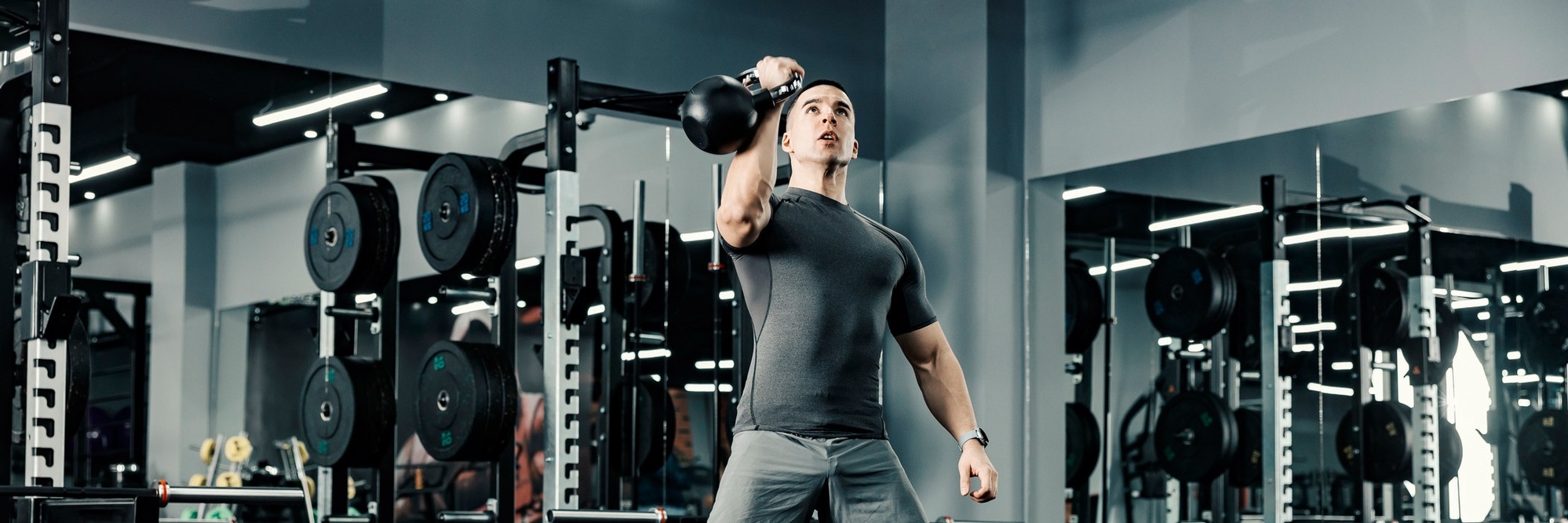
The optimal training for your core muscles is functional and as close to your type of sport as possible. Find out how to achieve efficient core stability here.
