Interviews
Interview with David Loosli
Periodically we publish an interview with an interesting sports personality. Today with David Loosli, former Swiss cyclist and UCI Road World Championships Under-23 bronze medallist.
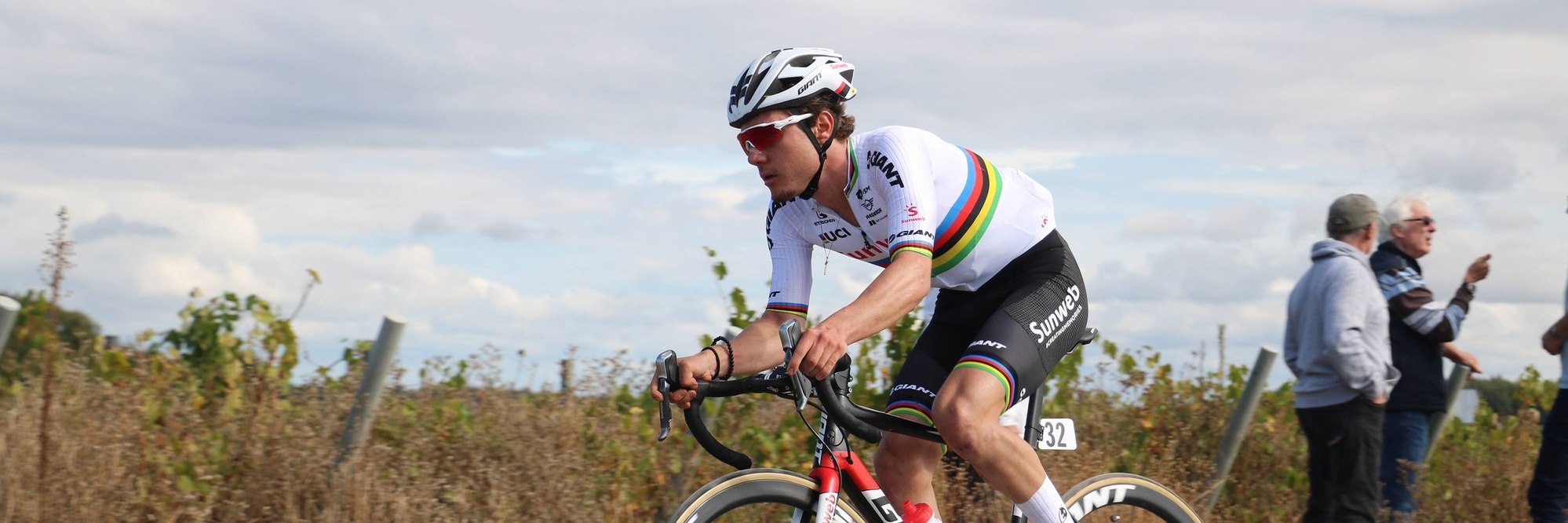
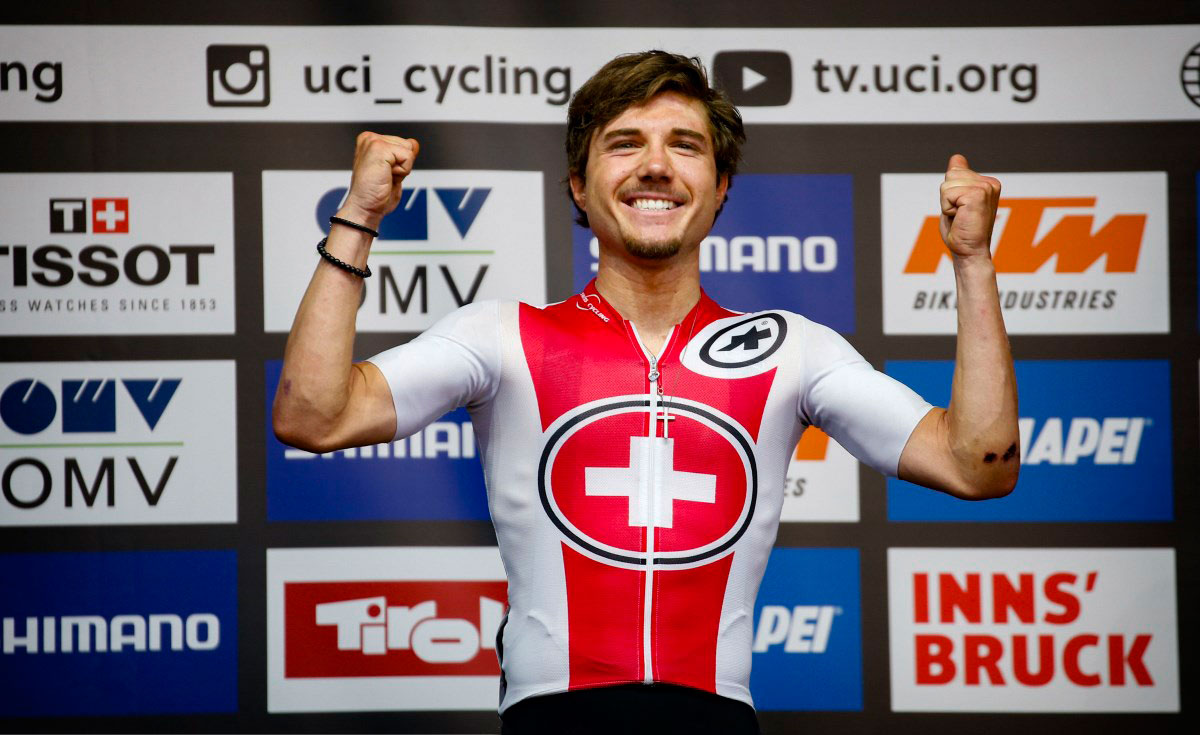
For the first time ever, Marc Hirschi has won a Swiss gold medal in category-U23 street racing. The Bern native, who was already crowned European champion in July, won on his own after surprise-attacking his final two competitors during a descent.
How did you feel on “your” day in Innsbruck? Can you give us insight into your race and your emotions?
The World Cup in Innsbruck was a very special day with personal high expectations on my part. Since my season had already been going very well so far, I was able to approach the race with an air of calm. In addition, we were very well positioned as a team. In the first leg of the race, I tried to save my strength as much as possible. I excelled at doing so, which boosted my confidence. In the final four rounds, we tried to act tactically and intelligently as a team. For instance, we used the descent to cause difficulties for the others. It came as a bit of a surprise that our little group, including four Swiss athletes, was able to break away from the main field. However, in the following round, our group broke apart again due to a lacking unified approach. I fell back into the trailing group. However, my two team mates were still at the front. This was perfect for us: I benefited from them and they from me. Ultimately, the groups closed the gap again at the final ascent. Now we really got cracking and it was extremely tough. But I still felt good. Once we reached the top of the slope, there were only three of us. But I didn’t want to go into the offensive too early. So I waited for the descent before unleashing my final attack. I knew the descent inside and out and managed to quickly tear open a hole. During the final kilometres through Innsbruck, I was pushing myself to my absolute limits. One kilometre before the end, I looked back and realised I’d made it. It was an incredible feeling.
Your victory was the result of a particularly strong Swiss team performance. What, in your eyes, are the three keys that generally lead to success in sport?
A great many elements have to come together for success in sport. If I had to break it down to three keys, they would be the ambition to withstand the training workload, a good connection with your body so as to know when it is appropriate to work out and how much, and a good environment that enables me to concentrate fully on sport.
What does a professional cyclist’s training look like? Can you give us an example training week from your day-to-day training? For example, in preparation for the spring race?
A pro biker’s training can vary greatly from week to week. In general, however, basic training plays a more important role. Here is a training week from the team training camp in January:
Day 1: 4.5 h of basic training with 2 x 10 min high-speed intervals
Day 2: 5 h of basic training with team time intervals (1 x 10 min high-speed + 2 x 10 min racing speed)
Day 3: 6.5–7 h of basic training in the mountains
Day 4: laid-back ride with coffee
Day 5: 4.5 h of basic training with 2 x 15–20 min group mountain intervals in the threshold range, final kilometre all out
Day 6: 5 h of basic training with 2 x 10 min high-speed intervals + 1 x 10 min alternation between under and over threshold
Day 7: 6 h of basic training in the mountains
What are your three most important training tips for amateur racing cyclists?
Do you have a secret tip you would be willing to share with us?
I don’t have any special insider tip. I think the most important thing is to listen to your body and to train hard at the right moment, but to allow your body the necessary rest at the end.
Periodically we publish an interview with an interesting sports personality. Today with David Loosli, former Swiss cyclist and UCI Road World Championships Under-23 bronze medallist.
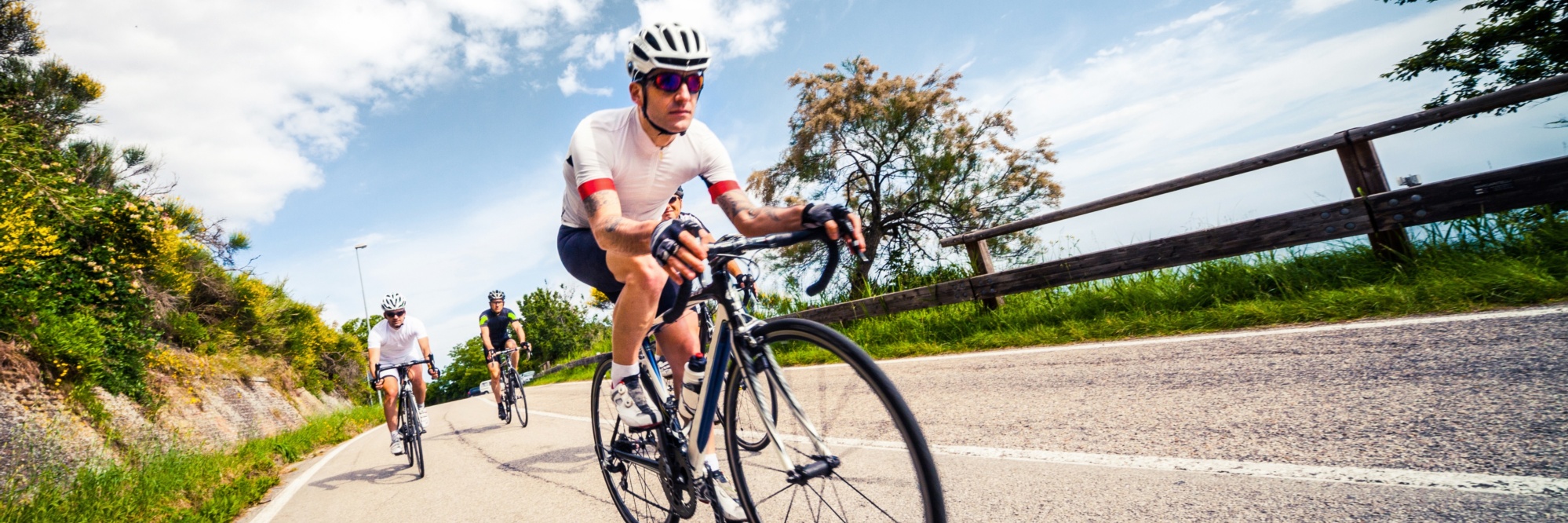
Biking is probably one of the most underestimated sports. But economical pedalling is not a matter of course, but rather the fruit of years of training. We've collected the best tips.
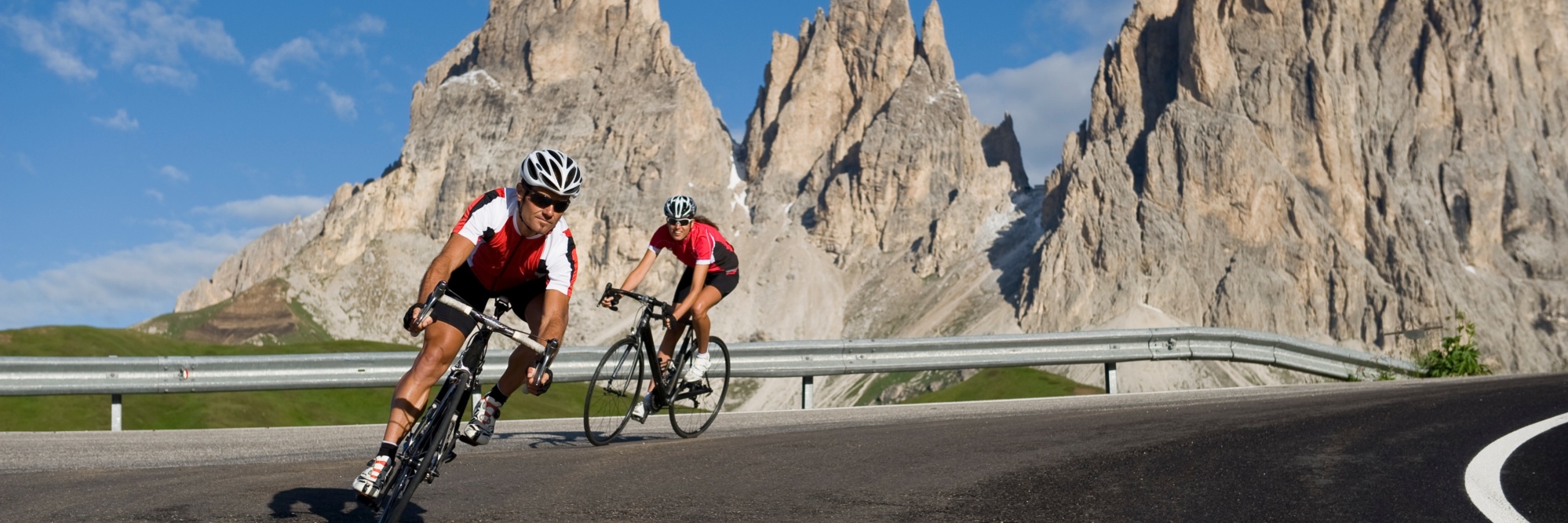
In Switzerland, countless hobby racing cyclists spend an amazing number of kilometres in their racing saddles. The best tips on how you can make your bike training more exciting and become faster with the same amount of effort.