Interviews
Céline Aebi in Datasport-Check
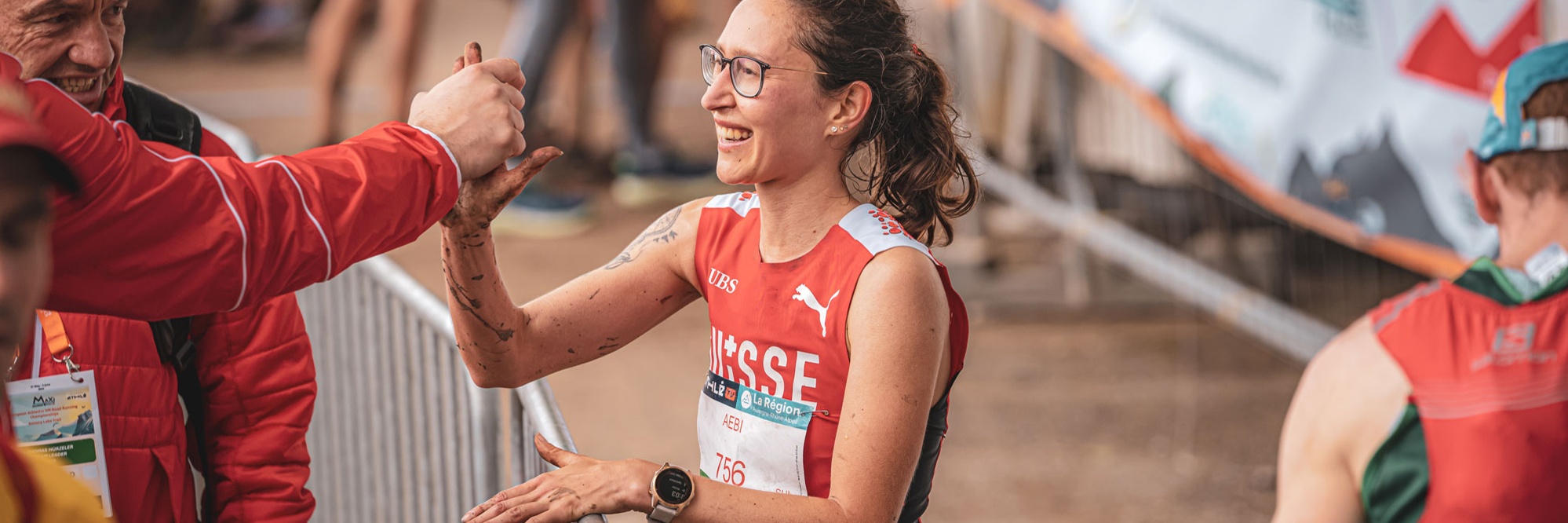
The 29 year-old Céline Aebi was the Swiss mountain running champion last year and has already represented Switzerland several times at international championships.

Rest days can help increase your performance level. You can spend them actively or passively. Here are the most important tips.
Training and recovery go hand in hand. That much is well known by now. Equally well known is the fact that it is not the training itself that makes you better, but the recovery that follows. In the hours – or, in extreme cases, days – after training, your body adapts beyond its initial level to the ‘damage’ you have done to it and becomes stronger. If you have rest days coming up, you can spend them actively or passively. Depending on the situation, one may make more sense than the other.
You have probably noticed that after a rest day when you don't train at all, you feel stiffer and more tired than after a normal training day. This is because gentle exercise, compared to passive rest, improves blood flow, accelerates the breakdown of metabolic products and lowers both lactate levels and inflammation markers. This maintains muscle activity, reduces stiffness and decreases fatigue and perceived muscle pain. Not to mention that active recovery has a positive effect on mood. However, gentle exercise is not training, but really ‘just’ movement such as walking, swimming, leisurely cycling or even a quiet ball game.
However, there are also times when a complete rest day, i.e. passive recovery, is appropriate. This is the case when the nervous system is under severe stress or overload. This can be after intensive interval or competition days, intensive strength training sessions, mentally exhausting days, lack of sleep or signs of overtraining, colds or illness.
The 29 year-old Céline Aebi was the Swiss mountain running champion last year and has already represented Switzerland several times at international championships.
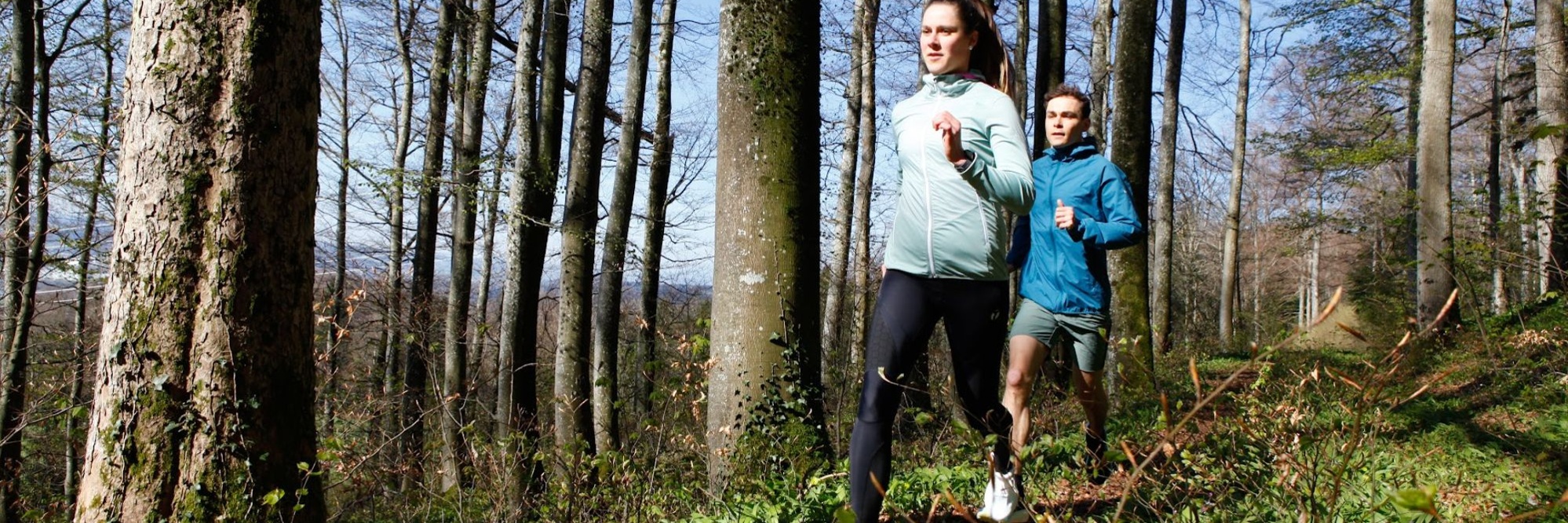
Many runners run too often at a moderate pace – not relaxed enough, not intense enough. Stephen Seiler's 80:20 principle addresses precisely this issue: 80% relaxed training, 20% hard training. This improves endurance, reduces the risk of overexertion – and allows the hard sessions to have their full effect.