Training tips
14-week training plan on a cycling marathon
For optimal preparation for your cycling marathon, we provide you with an exclusive training plan created by long-time coach and two-time Ötztaler winner Mathias Nothegger.
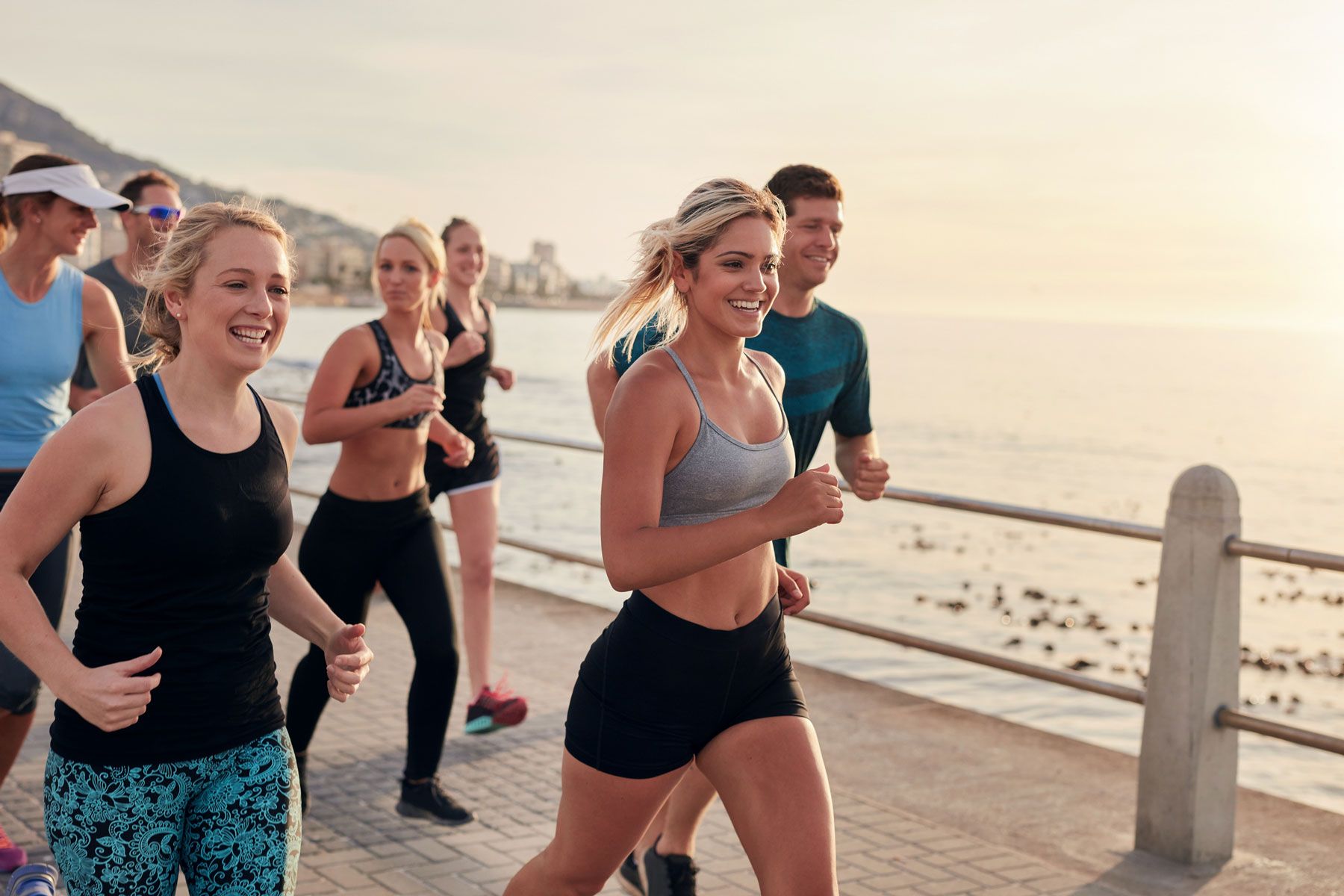
Photo: iStock.com/jacoblund
Lactate levels and data are only half the story. Discover the real secret behind Norway’s dominance in triathlon.
Thirteen days before the Ironman 70.3 World Championship, Kristian Blummenfelt posts a ten-second video on Instagram: He is running a lap of a track in St. Moritz with his training partners Gustav Iden and Casper Stornes, with mountain peaks and pine trees in the background. The caption is simple. The message, however, is not: these three Norwegians are ready – and they are ready together.
Blummenfelt, Iden and Stornes have trained together in Bergen since their youth. As teenagers, they were brought together by national coach Arild Tveiten to form Norway’s very first national triathlon team. In 2018, they made headlines by becoming the first nation ever to occupy all three podium places in a World Triathlon Series event. In 2025, they did it again: at the Ironman World Championship in Nice, Stornes, Iden and Blummenfelt finished first, second and third. This was no coincidence, but the result of years of training together.
The ‘Norwegian Method’ has long been a model for endurance athletes around the world: double-threshold sessions, lactate testing and meticulous analysis of heart-rate data. There is no doubt that this data-driven approach has played a major role in the trio’s success. But one aspect is often overlooked: Blummenfelt, Iden and Stornes train together almost all the time, push each other to perform at their best – and clearly enjoy doing it. The focus on data may optimise performance, but the social side of training could be the real secret to their success.
There is even a name for the effect: as early as the 1920s, German psychologist Otto Köhler observed that people often perform better on demanding tasks when working in a group than when working alone – nobody wants to be the weakest link. This ‘Köhler effect’ helps explain why training groups can push us beyond our perceived limits. And there is more: In a group, support, humour and mutual motivation become an integral part of training – making it easier to lace up your running shoes even on a tired morning. Blummenfelt himself has described how reassuring it is to see directly where he stands compared with world-class training partners: It gives him confidence before a race and allows him to learn from other people’s mistakes.
There is something interesting about this: While personalised training has never been more accessible thanks to AI training plans, wearables and the flexibility of working from home, many local sports clubs are under pressure. At the same time, running groups are booming elsewhere, particularly among younger athletes who recognise that exercising together can simply be more enjoyable – and more effective. The trend is clear: the desire to train together is there. All that is needed are the right opportunities to make it happen.
You don’t have to be a Norwegian endurance phenomenon to benefit from training with others. Whether it’s a running group, a bike ride with friends or your local triathlon club: training regularly with others makes it easier to keep going when motivation starts to fade, learn from your training partners and get that extra boost of energy when things get tough. A training plan generated by a computer can take you a long way. However, if you want to stay motivated in the long term and continue to improve, you may find that the key lies in training alongside others.
So, reach out to someone with similar goals this week. Arrange a training session together, sign up for your next race as a team – or look for a club in your area. The Norwegians have shown us how it’s done: Together, you don’t just get faster. You also keep going for longer.
For optimal preparation for your cycling marathon, we provide you with an exclusive training plan created by long-time coach and two-time Ötztaler winner Mathias Nothegger.
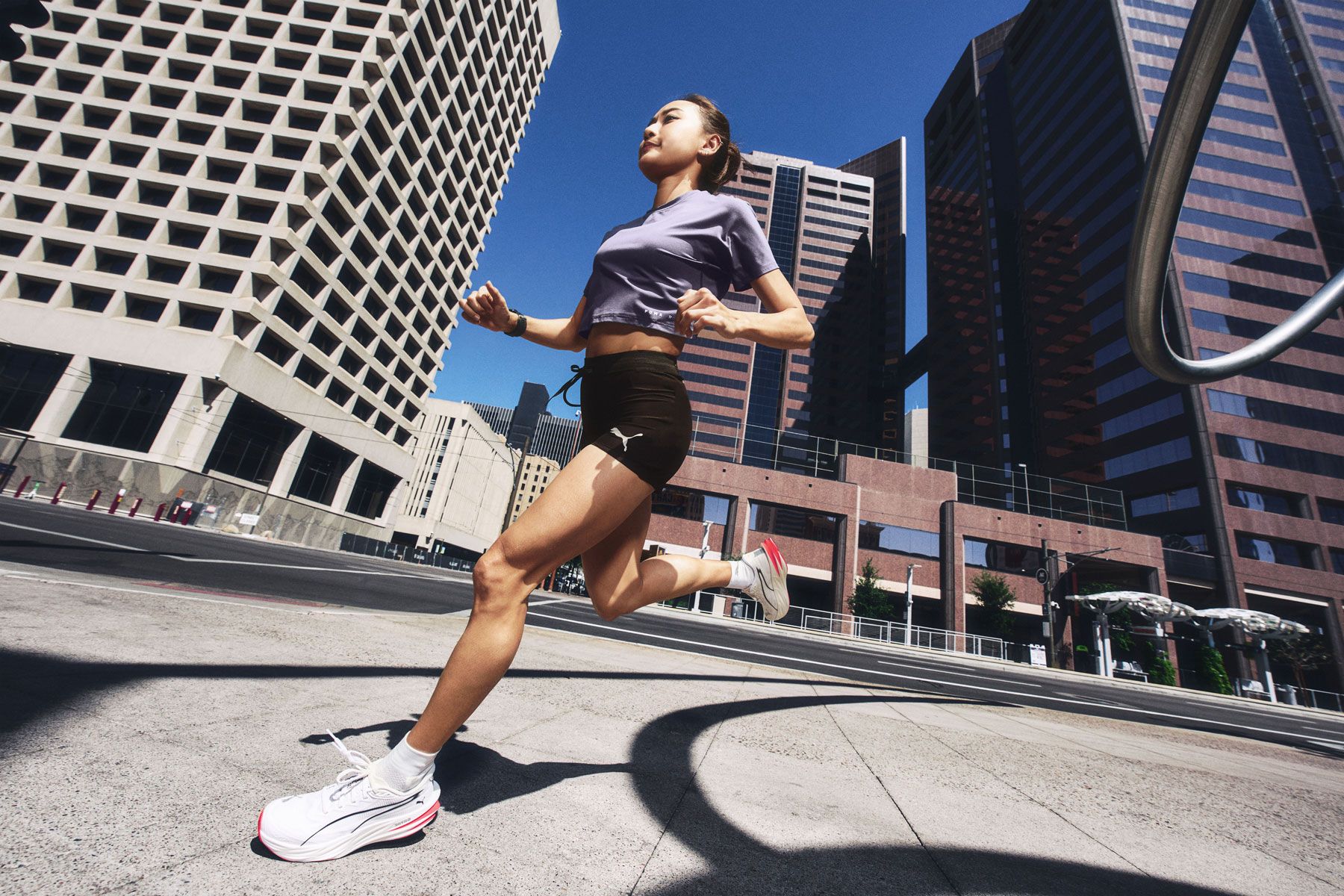
In the world of modern running, there has only been one topic in recent years: carbon. Anyone who wanted to be fast had to run on stiff plates. But while the world's elite chase records, a different question arises for the ambitious amateur runner: doesn't this come at the cost of the natural feel for the ground? PUMA, with its Deviate series, has celebrated one success after another in road running since its relaunch, and the new Deviate Pure NITRO™ (RRP 180 CHF) offers an intriguing answer.