For the last four years, we have been publishing interviews with sports personalities on a fortnightly basis. They covered Swiss Champions, World Champions, and even Olympic Champions! These were the six most read interviews in 2019:
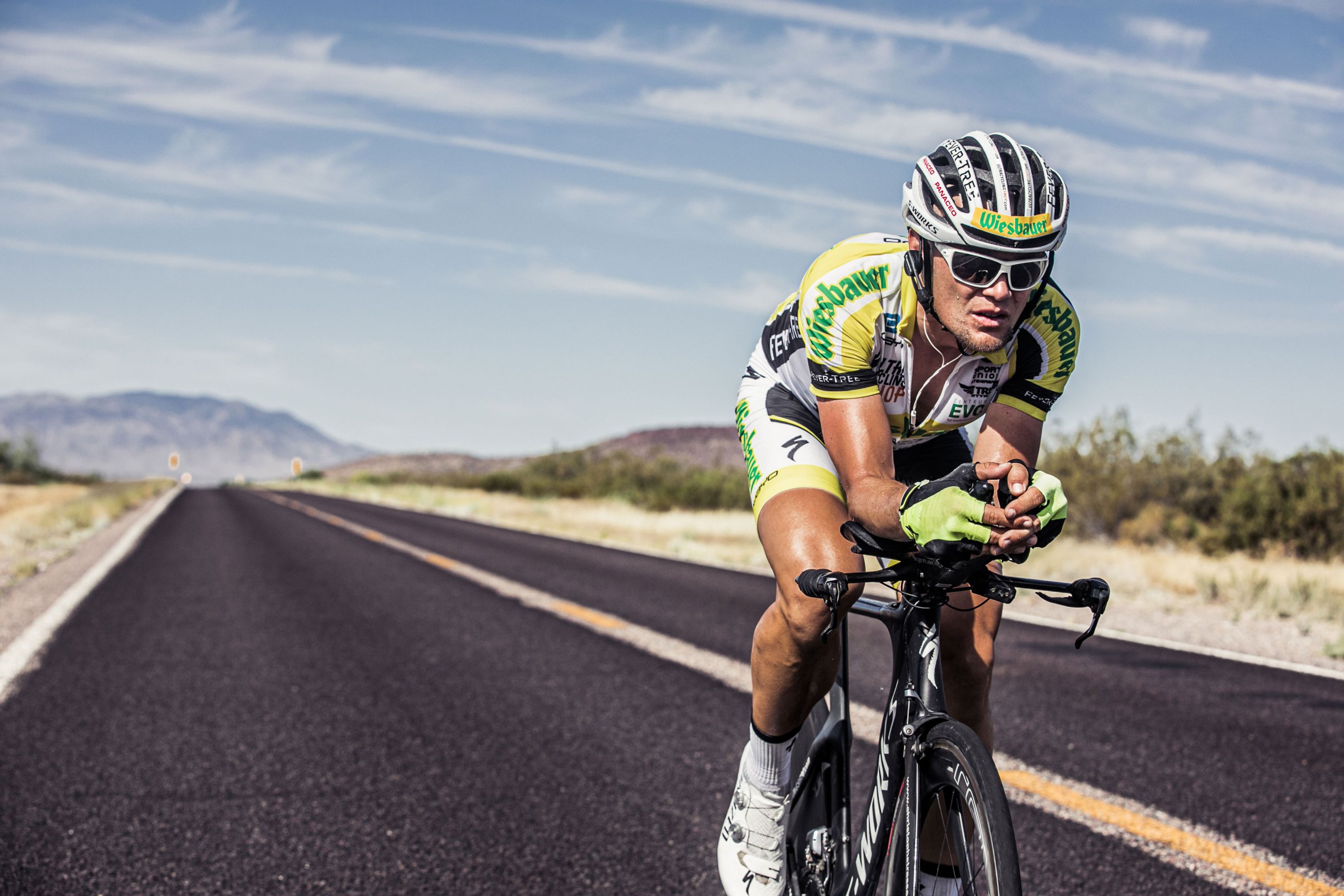
Christoph Strasser, 6-time winner of the Race Across America (RAAM): «Be patient and don’t expect huge leaps forwards within a short period of time. There are no short-cuts – it often takes years before you are fit enough to achieve your goals.» Read more
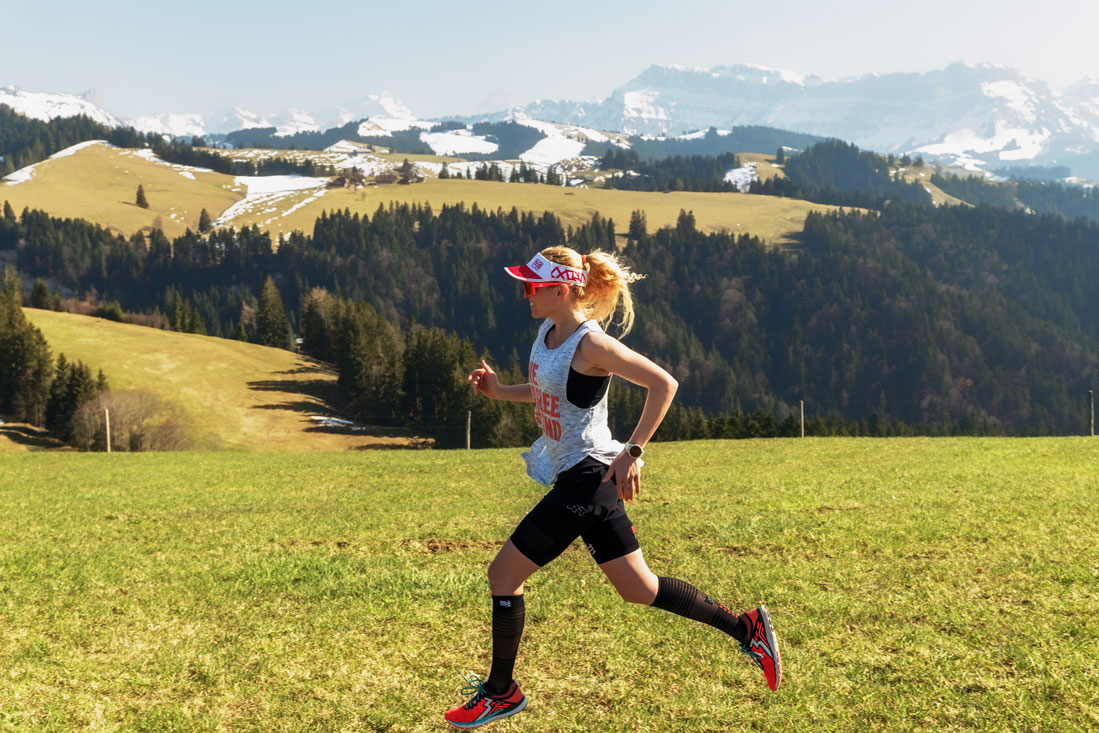
Eva Hürlimann, extreme triathlete: «It takes a lot of different things. A passion for endurance sports, the joy of doing what you do, pleasure in tackling the challenges, a strong will, the ability to be focused and, last but not least, a good team to support you.» Read more
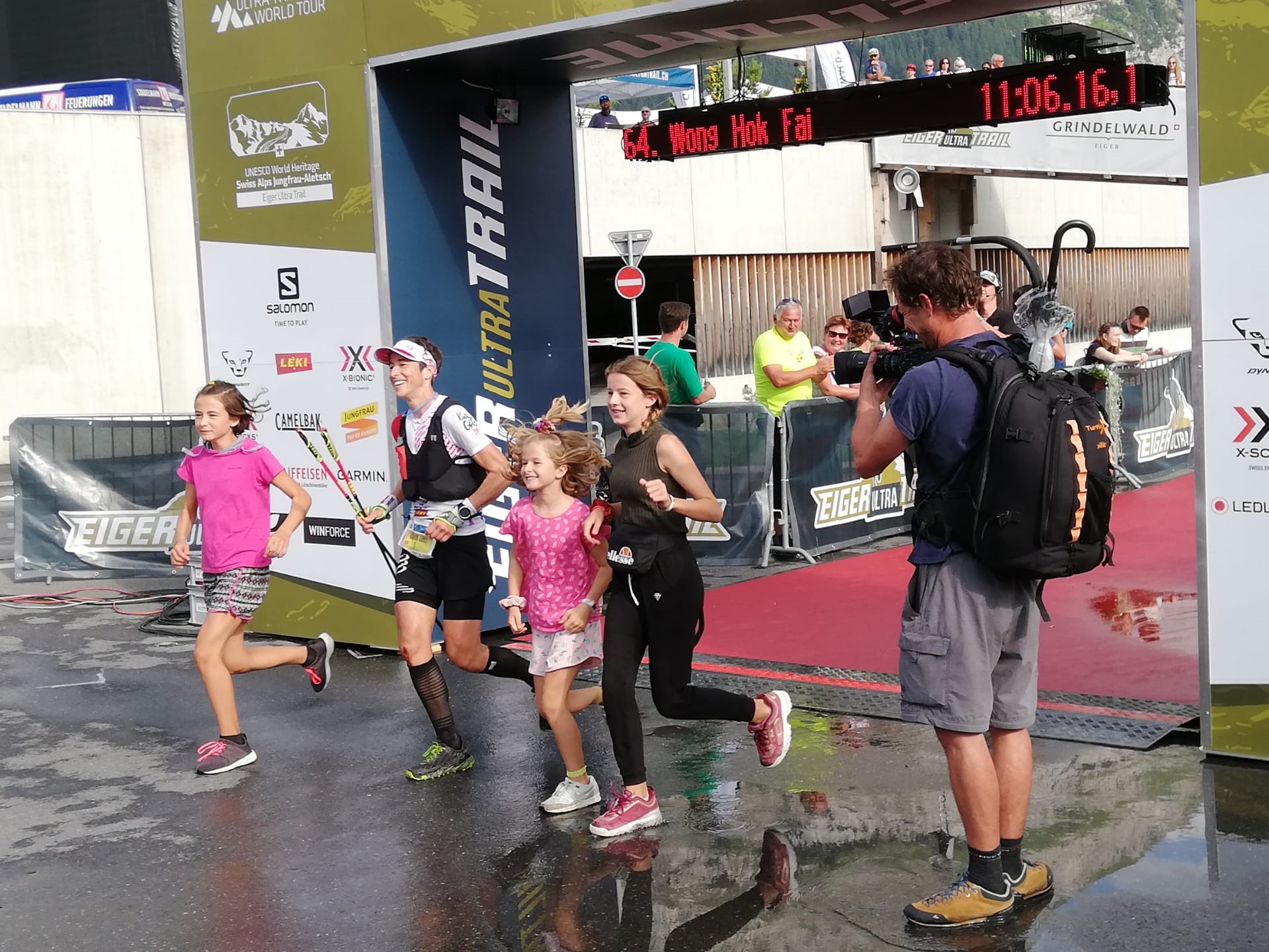
Kathrin Götz, winner of the Eiger Ultra Trail: «On the one hand, I think it is important to consistently pursue a goal and also organise your training accordingly. On the other hand, this requires a certain relaxed attitude and flexibility to ensure you are better able to deal with unpredictable events.» Read more
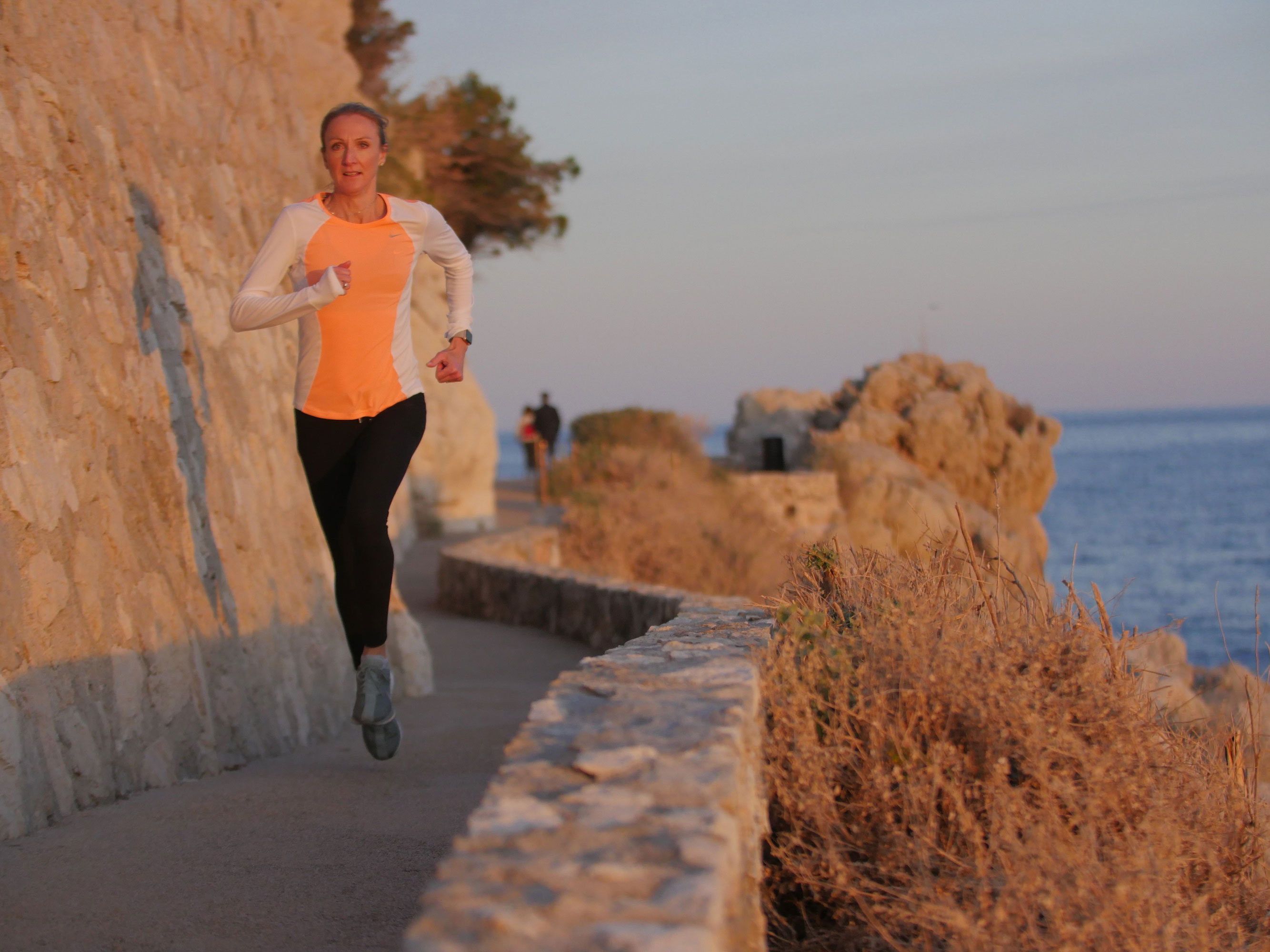
Paula Radcliffe, 16 years World Marathon Record Holder: «I think the most important thing is to remember that rest is also an important aspect of training. People tend to forget this and only think about running and training non-stop. However, if your body and mind are tired, sometimes a rest day is the best training of all.» Read more
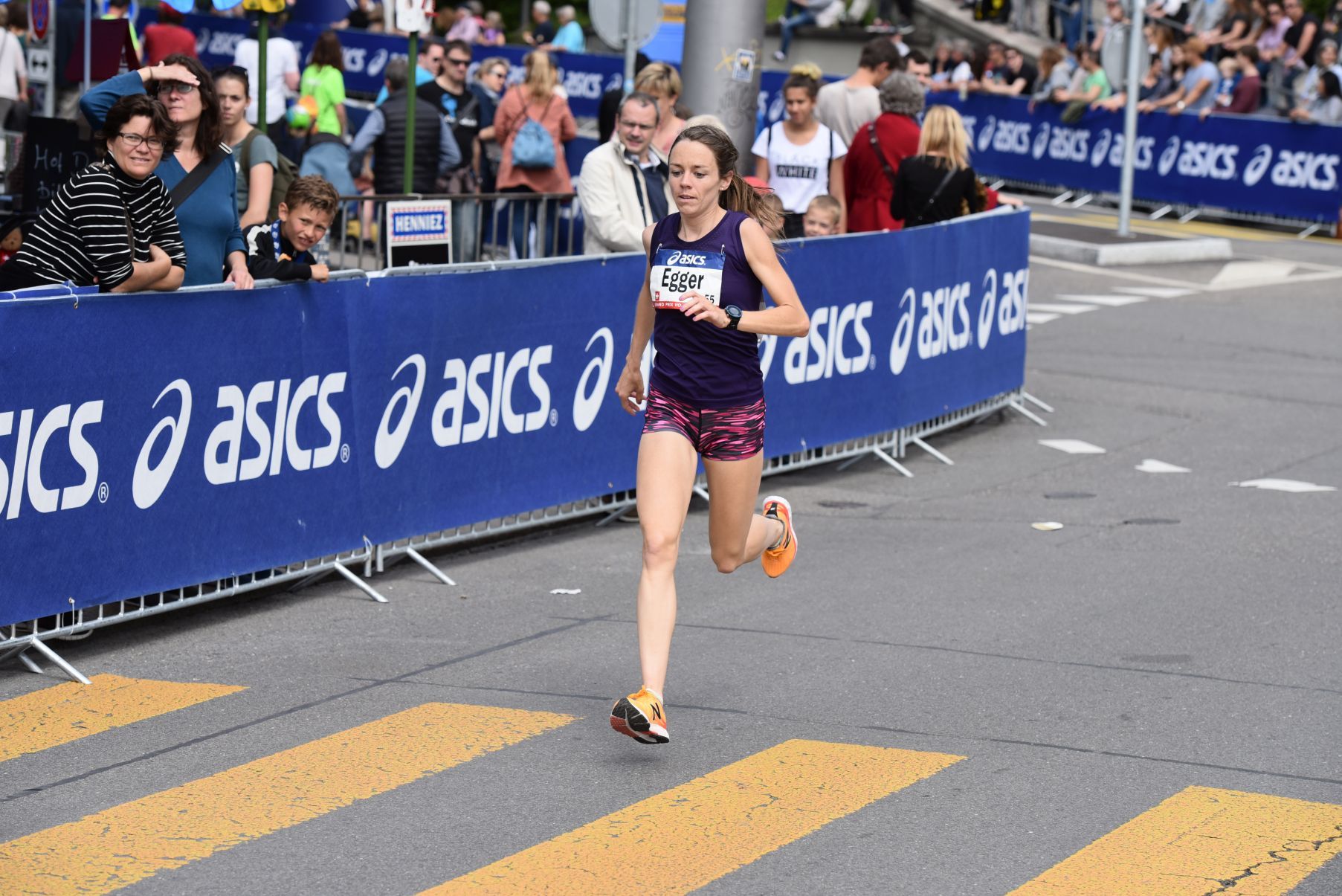
Nicole Egger, cross-country and 10 km Swiss champion: «You should try something new from time to time and interrupt your habitual routine, so that the body needs to make new adjustments and can continue to develop.» Read more
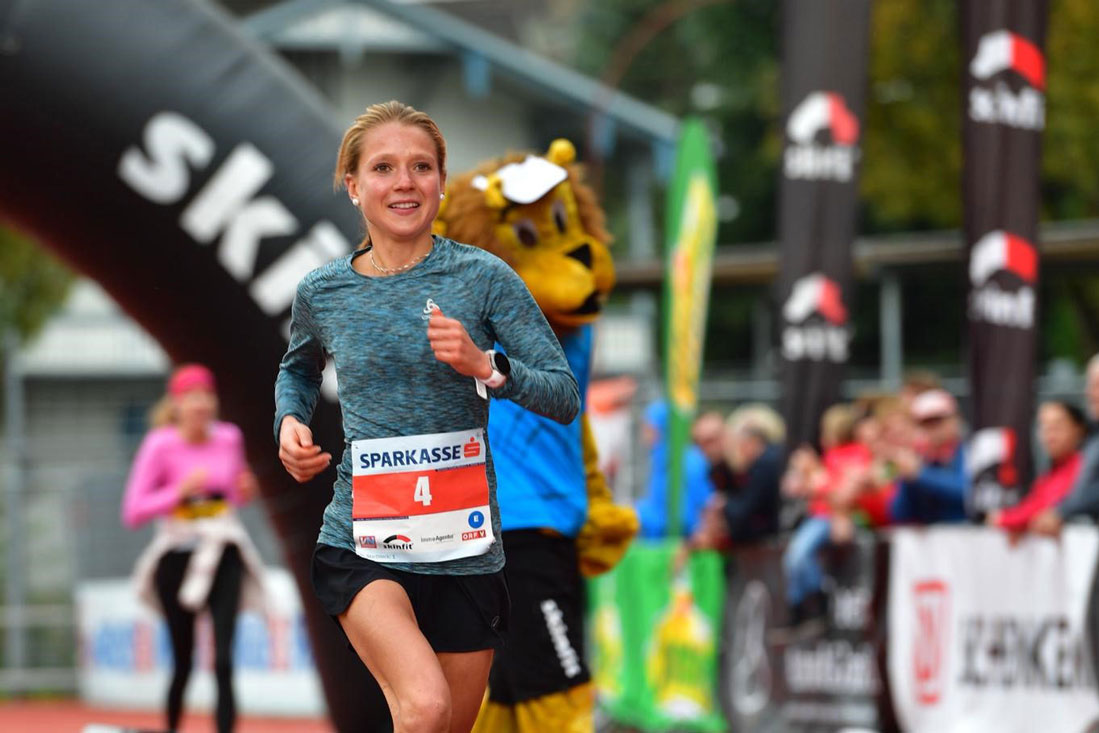
Natascha Baer, Swiss Champion in the 2019 Marathon: «If you take pleasure in running, you can move mountains.» Read more
Foto: ZVG
You might be interested in
Training tips
Running faster requires patience
Many people want to not only achieve an athletic goal, but in the fastest time possible. One thing is certain: if you want to become faster, then you also need to train faster. But how fast and how often?
General tips
Do endurance sports improve brain power?
Various studies have already proven that regular cardio training has a positive impact on brain power.
Training tips
Start your planning now
Anyone wanting to achieve a major goal next year should start their planning and preparation now.