Mon, November 11, 2019What you should know as an endurance athlete
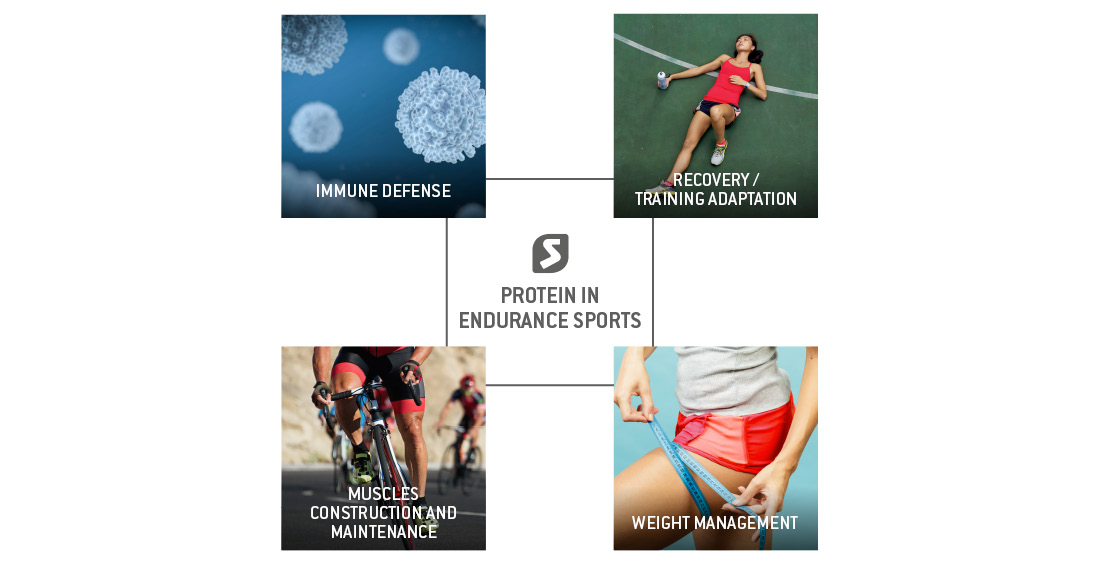
Protein fulfils many important functions in your body. For endurance athletes, regeneration, build-up and maintenance of muscle mass, weight control and immune defence are the main concerns. Read here you what you need to know about protein.
Daily requirements
To perform its tasks optimally, your body must be provided with the necessary basic protein requirements. The Swiss Society for Sports Nutrition therefore recommends athletes a daily amount of approx. 1.3-1.8 g protein per kg body weight. For a woman of 60 kg this means about 80-110 g protein per day, while a man of 80 kg body weight needs about 105-144 g dietary protein. For special phases such as strength building, diets or weight training, higher recommendations of 2.0-2.7 g protein per kilogram body weight apply. With our protein calculator the recommended daily requirements can be calculated to cover your individual needs.
Timing of intake
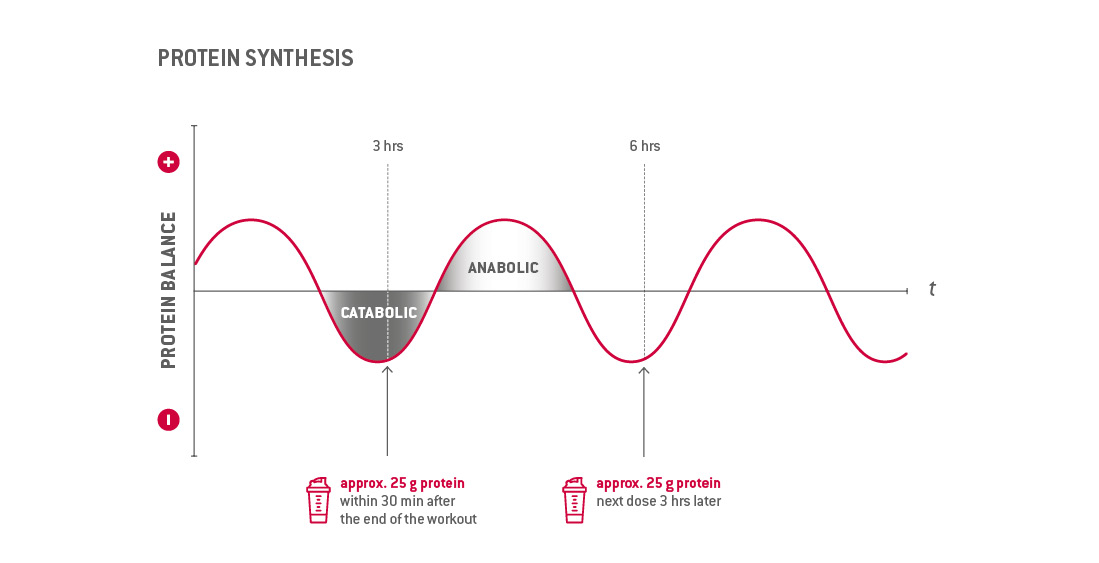
The body protein is in a dynamic equilibrium. It is constantly built up and broken down. This is called anabolism or catabolism. Therefore, you are dependent on a regular intake. For optimal protein synthesis, about 20-30 g of protein should be consumed every 3-4 hours.
Protein sources and quality
Ideally, you already cover your protein requirements with the general diet. However, as time-consuming and disadvantageous for various reasons it can be (logistics, timing, handling), protein-enriched food and supplements offer a convenient complementary alternative. It is worth paying attention to high-quality products and trustworthy sources that guarantee the best protein quality and functionality.
Regeneration
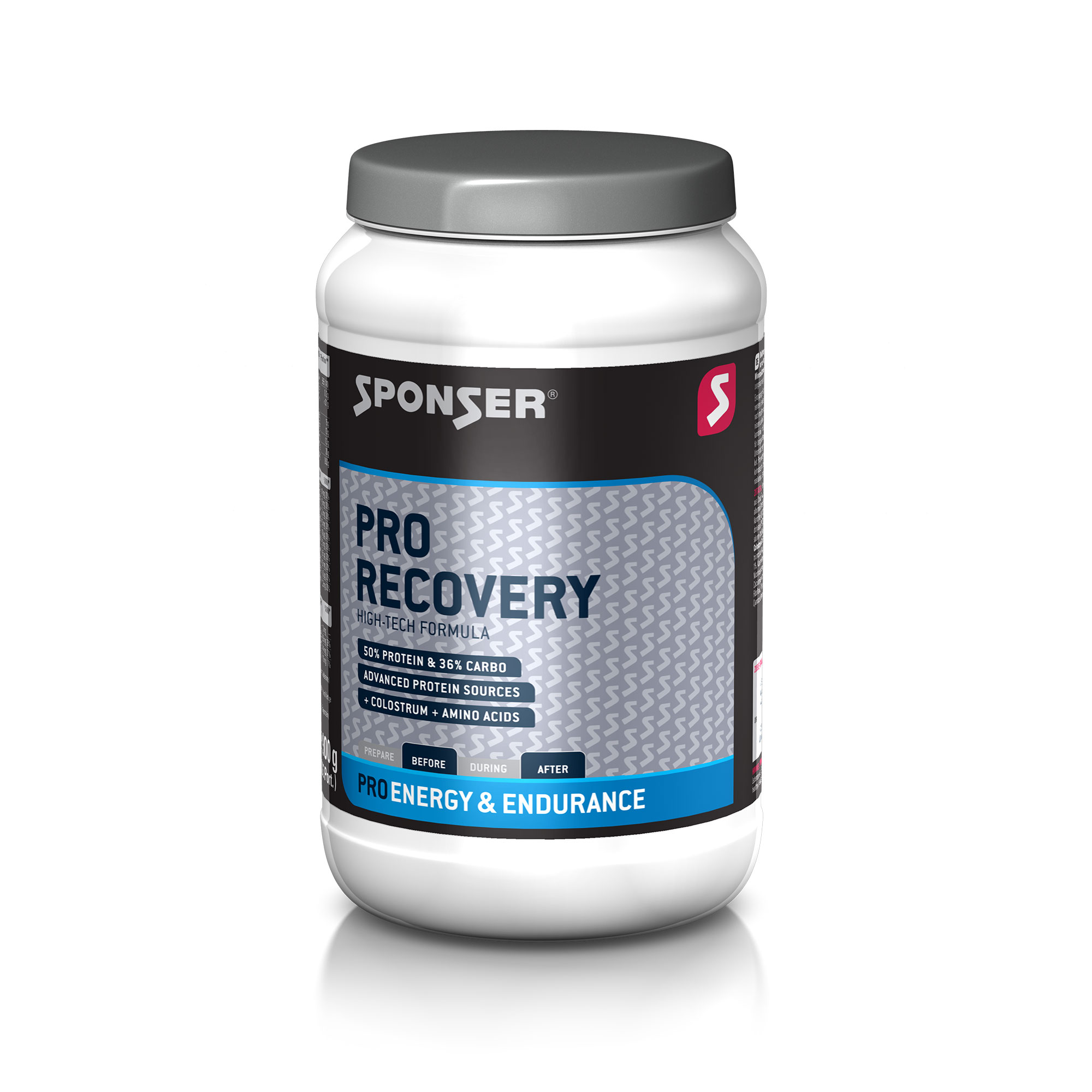
You need the relevant building materials for regeneration and repair of your stressed muscles. For optimal recovery, you should take 20-30 g of quickly available, high-quality protein as soon as possible after exercise. Whey protein is ideal, e.g. WHEY PROTEIN or a recovery shake such as PRO RECOVERY.
Since your metabolism is running at full speed even hours after intensive training and competitions, you should make sure to repeat your protein intake every 3-4 hours. Suitable sources are basic proteins made from multi-component blends such as MULTI PROTEIN or WHEY CONCENTRATE as well as solid foods and protein bars, such as PROTEIN LOW CARB BAR or PROTEIN 36 BAR.
Sleep is the most important phase of regeneration. In order to shorten the catabolic phase, it is advisable to keep the amino acid influx running as long as possible during the several hours of rest at night. Multi-component proteins such as MULTI PROTEIN and CASEIN, known as "night protein", constitute ideal protein sources, grace to their slow and steady digestion.
Strength and muscle building
For your strength and muscle build-up, the same principles apply as for regeneration, but ideally with slightly higher total protein amounts. Notably, it is also important to maintain a positive net calorie balance. This means that more energy must be ingested throughout the day than burned.
Weight control
In order to achieve weight loss you need a negative energy balance. This means you have to spend more energy than you consume. A regular and increased protein supply also plays a decisive role during such a weight loss regime. On one hand, proteins have a greater effect on satiety than carbohydrates. Furthermore, protein also needs more energy for its digestion by the body, which means less calories consumed net. Proteins are also important during a diet because they reduce the degradation (catabolism) and help to preserve muscle mass and vital structures.
Immune defence
Protein is the main building material and energy supplier of the immune system. Therefore, your protein requirement rises sharply in the event of an infection! In order to stop the spread of viral or bacterial pathogens, a great number of defence cells and immune factors must be produced quickly.
Overview of SPONSER® protein products with intended use and product link:
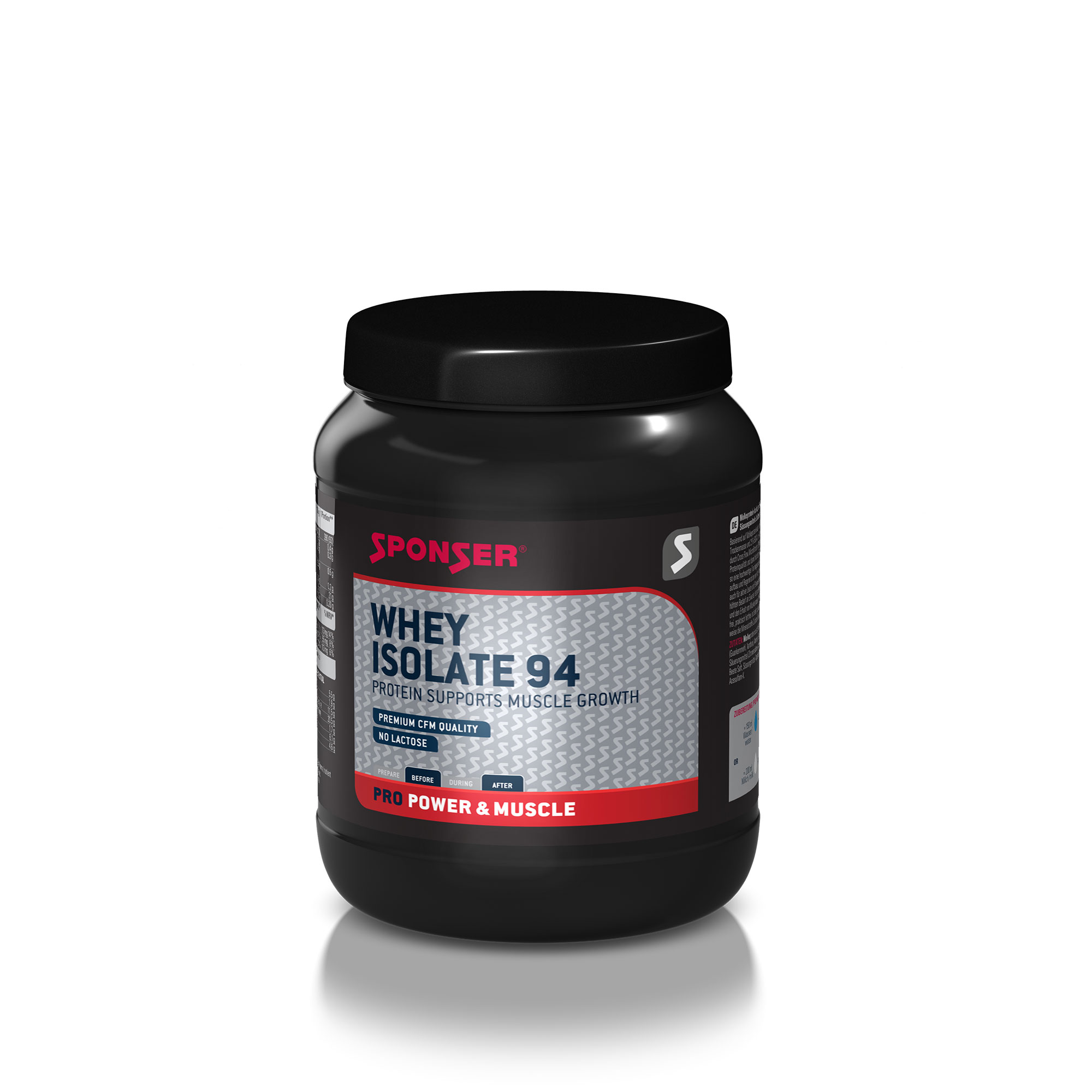
Whey Isolate 94 Use/indication: recovery, muscle build-up Properties: best whey protein quality, 100% grass-fed from Ireland, lactose-free
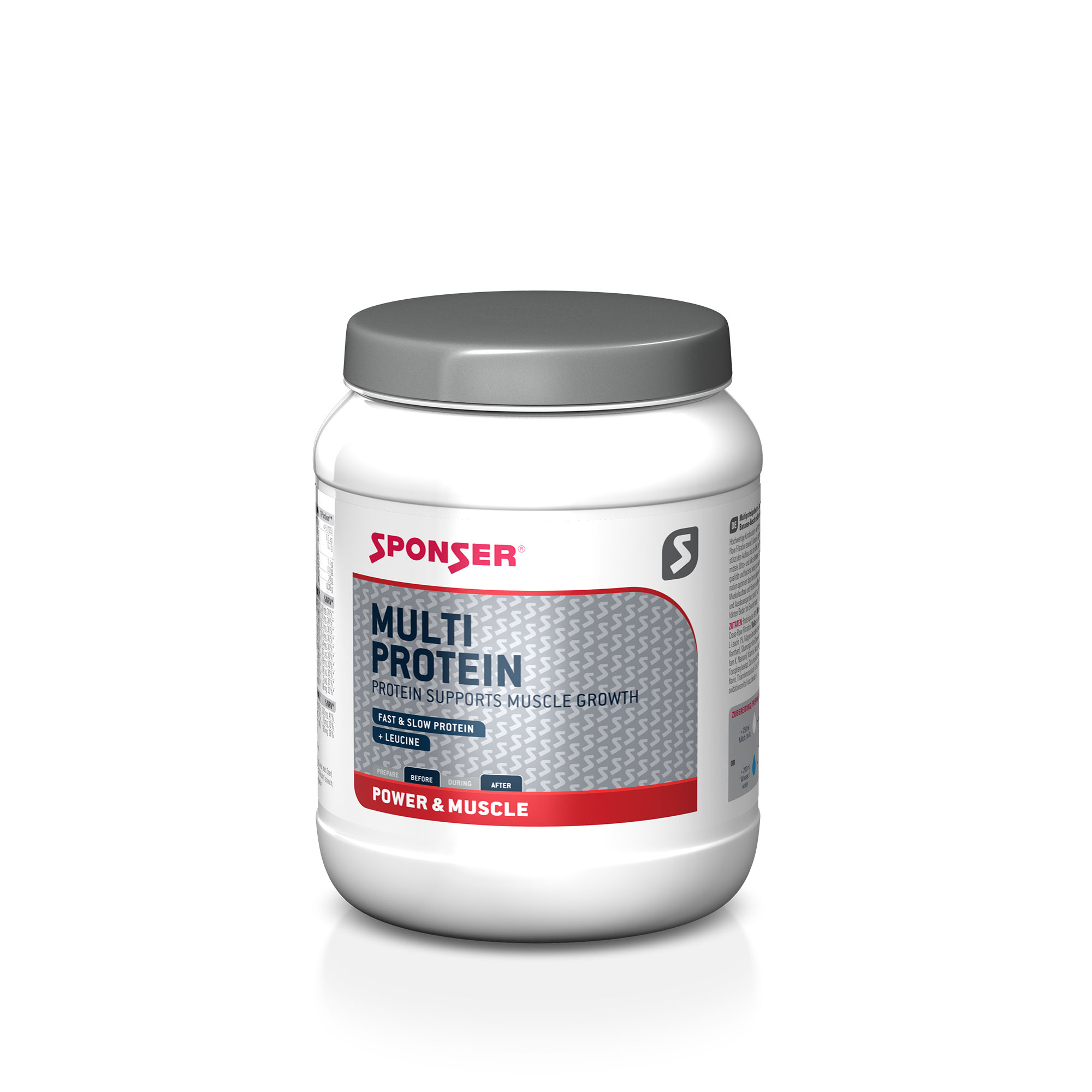
Multi Protein Use/indication: basic protein, night protein, muscle build-up, recovery Properties: high-quality multi-protein blend, wide range of application, contains whey, casein and egg albumin, origin Switzerland
Pro Recovery Use/indication: recovery Properties: highest regeneration, with colosturm, cow’s first milk
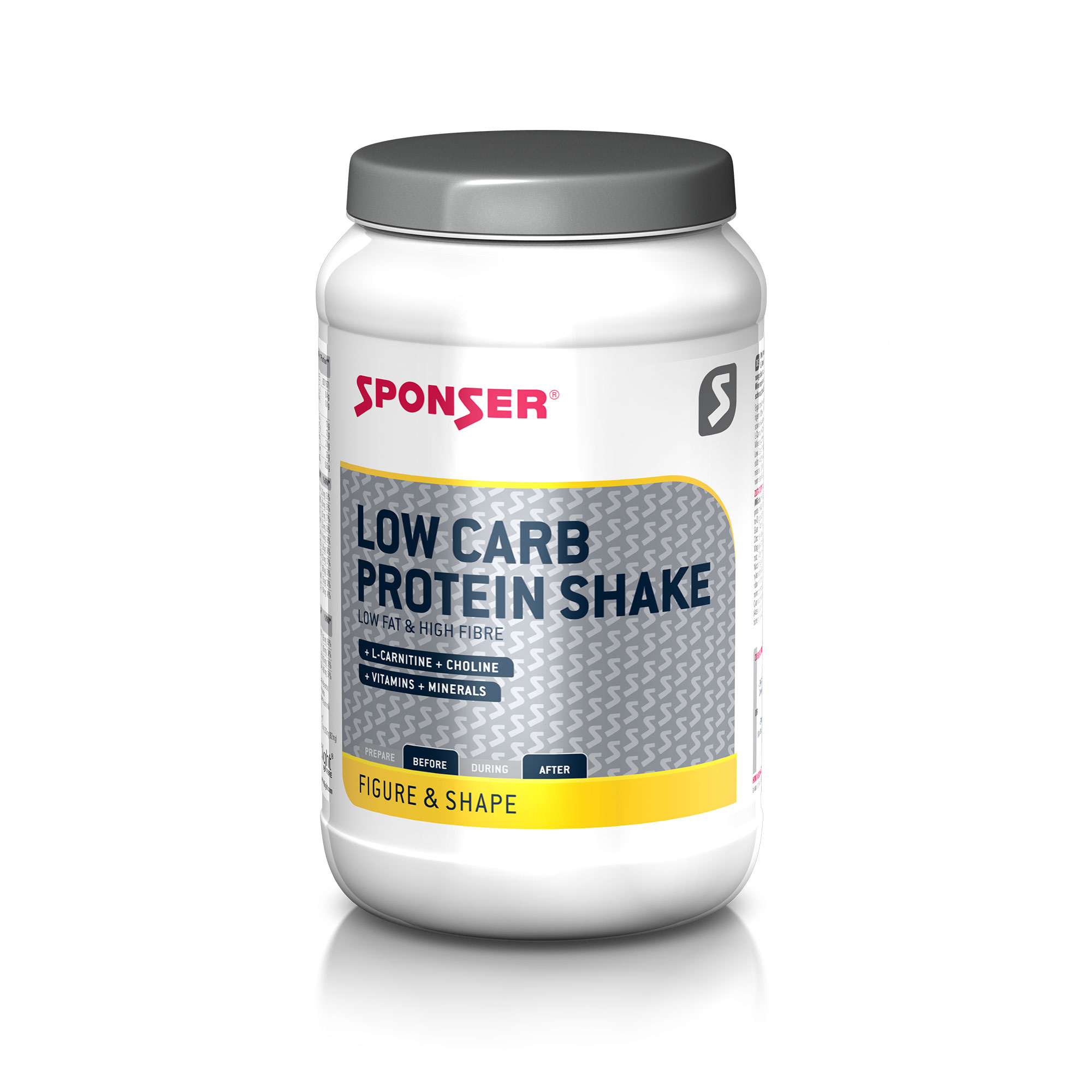
Low Carb Protein Shake Use/indication: weight management, basic protein blend, meal replacement Properties: sustained satiety, with fibres, L-carnitine and choline
You might be interested in
Diet tips
Is a low-carb diet also suitable for endurance sports?
Mankind’s earliest ancestors lived on earth a few million years ago. Their intake of carbohydrates at that time was rather modest and only increased with the advent of farming about 10 000 years ago. What does this mean for us? Should we all switch to a low-carb diet?
Diet tips
Supplements: benefits and risks
New supplements or food supplements appear on the already huge market each year. This makes it immensely difficult to maintain an overview. Here you will find the necessary explanations.
Interviews
Interview with Julie Derron
Periodically we publish an interview with an interesting sports personality. Today with Julie Derron, three-time European triathlon champion.