Sun, September 13, 2026Faster thanks to technology? What super shoes really achieve
Dea Sikiric
Photos: PUMA
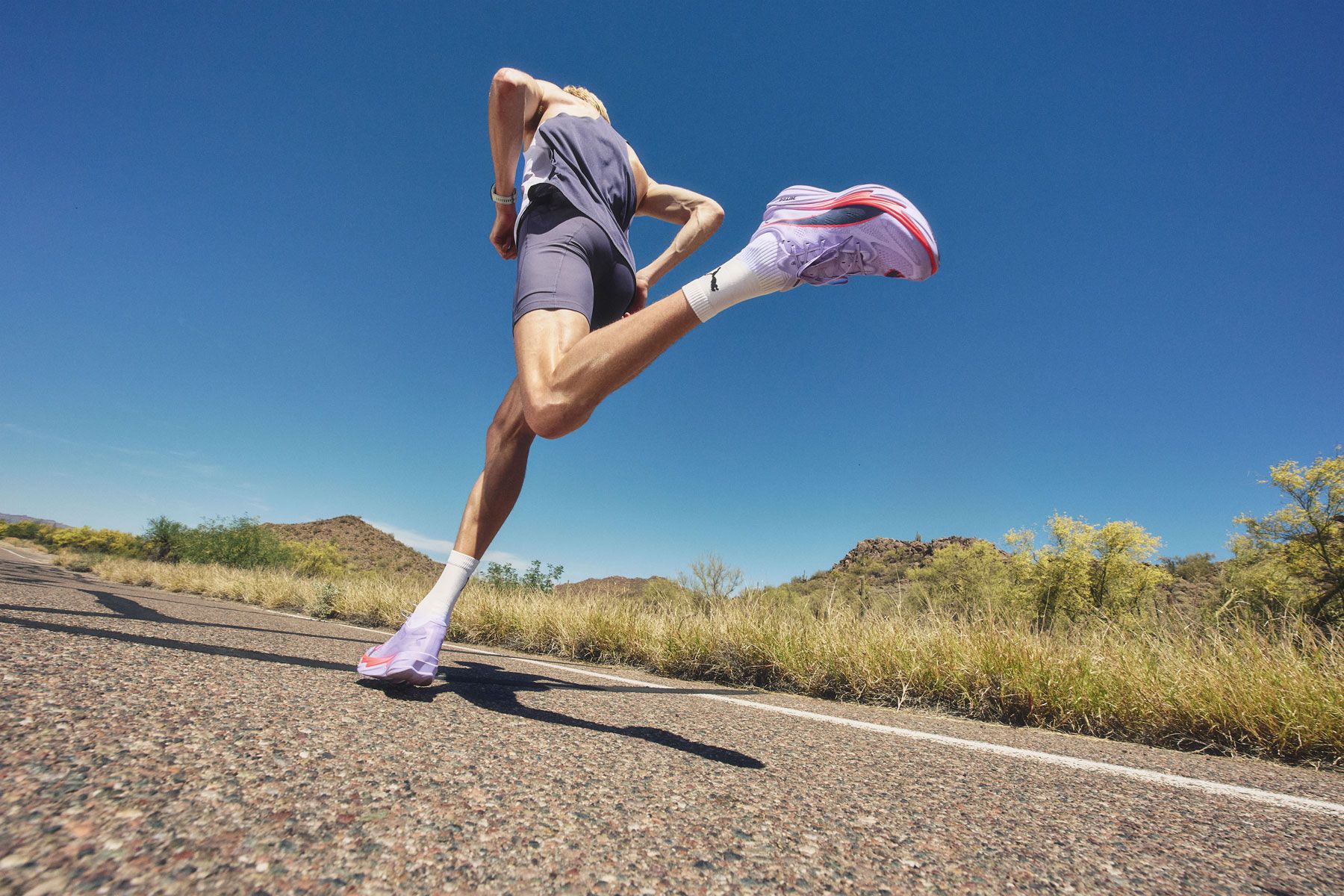
In recent years, running has undergone a technological transformation. Classic flat racing shoes ("Racing Flats") have been replaced by "Advanced Footwear Technology" (AFT). Their introduction coincided with performance improvements and numerous world records from 5 km to the marathon.
What has changed?
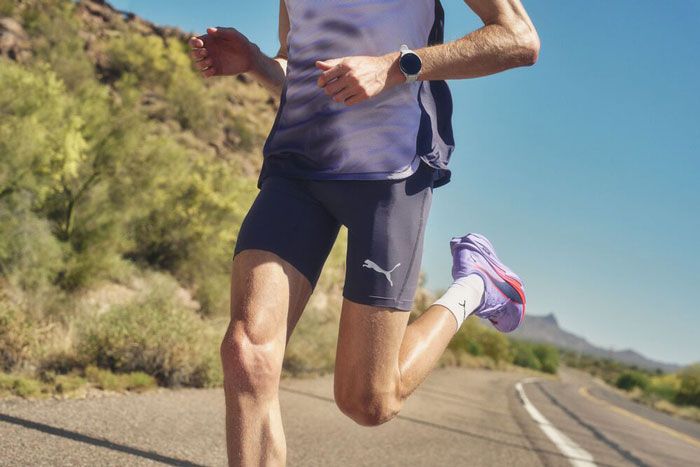
Classic competition shoes were flat and minimalist to save weight. In contrast, modern AFT shoes use a thick midsole that combines highly elastic and very lightweight foams, such as PEBA (polyether block amide), with an embedded stiff element like carbon fiber plates. The thick sole provides strong cushioning and allows for pronounced sole and plate curvature. When the center of pressure rolls over the curvature/rocker area, sole geometry and longitudinal bending stiffness change the leverage ratios. This 'teeter-totter' or rocker effect can support rolling and influence the mechanical work on the foot and ankle. However, the shoe does not generate additional energy but transfers existing forces through its construction.
Modern super shoes can measurably improve running economy. Less metabolic energy is required for the same pace. On average, improvements of approximately 2–4% have been observed. Better running economy does not automatically lead to an equally large improvement in running time. However, even a small advantage can be decisive in long competition distances. Not only professionals benefit from this. Improvements in running economy have also been observed at lower speeds. The effect varies individually. Therefore, there is no 'fastest shoe' for everyone. What matters is how well a model fits the person, the pace, and individual biomechanics. The advantage arises from the interplay of low weight, elastic foam, sole geometry, and stiffening element.
Injury risks
Super shoes also change how forces act on the foot, ankle, and leg. Flat, high soles and cushioning can alter joint movements, leverage ratios, and loads. Whether AFT shoes cause more or fewer injuries overall is not yet clearly determined.
Individual bone stress injuries to the navicular bone (os naviculare) have been described in performance-oriented runners wearing carbon shoes. However, this does not imply a generally increased risk. A possible explanation is that the stiff sole construction alters the biomechanics of the foot and ankle, concentrating stress in the midfoot for certain individuals.
The hardness of the cushioning also seems to play a role. In a large study, the risk of injury was higher with harder shoes. Lighter individuals, in particular, seemed to benefit from softer cushioning. Therefore, when choosing shoes, attention should not only be paid to the promised performance improvement. It is also important that the shoe feels comfortable and stable and fits the individual. The transition should not be abrupt. Those running with AFT or carbon shoes for the first time should gradually integrate them into training and give the musculoskeletal system enough time to adapt to the changed load.
Brand diversity and strict rules
Nike started the first big wave of super shoes with the Vaporfly. Meanwhile, virtually all major manufacturers offer AFT models with different foams, plates, and geometries.
To prevent technological progress from leading to an unfair competitive advantage, World Athletics has introduced rules for competition shoes. In road competitions, the sole may currently be a maximum of 40 mm thick. Additionally, competition shoes must meet the applicable approval and availability requirements. This is to prevent sponsored athletes from using exclusive and not regularly accessible prototypes.
Where is the development going?
Instead of even higher or stiffer shoes, there is a trend towards individualization. Not everyone responds the same to the same shoe. Differences in anatomy, running style, body weight, pace, and biomechanics influence which combination of cushioning, sole geometry, and plate stiffness works best.
For individual optimization, it is not only the material that counts. Equally important is its influence on leverage ratios, muscle-tendon interaction, and spring-mass system.
Future super shoes could be more tailored to individual runners. Instead of searching for the one 'best' shoe for everyone, a different question is likely to take center stage: Which shoe best fits my individual biomechanics?
You might be interested in
General tips
5 Dos and 5 Don'ts for Fast Times in Autumn
Do you want to really get going again in autumn after the hot summer? Then follow the five Dos. The five Don'ts have already been tried by enough others – you can read them, but you don't have to try them out.
News
Break in new running shoes
Every week we publish a training tip at this point. Follow this and stay in shape.
News
Strength and endurance belong together
Every week we publish a training tip at this point. Follow this and stay in shape.
Interviews
Andrea Salvisberg in the Datasport Check
Andrea Salvisberg set a new Swiss record at Ironman Kalmar with a time of 7:28:53 hours – eight minutes faster than the previous best by Ruedi Wild. The result secures him a starting place at the Ironman World Championship in Hawaii on October 10 – fulfilling his three major life goals: Olympics, Hawaii, fatherhood.