Foto: Seefeld x Madshus; Moritz Klee
Spending the winter clocking up miles on wet roads or hours on the indoor trainer? There's a better alternative. Cross-country skiing is an excellent way to build endurance, strengthen your entire body and take the strain off your joints.
Many endurance athletes see winter as a necessary evil. Runners battle with ice and darkness, while cyclists retreat to the turbo trainer. Yet one of the best ways to build your aerobic base is right on your doorstep – at least if you're lucky enough to live in the Alps. For runners and cyclists, cross-country skiing offers far more than just a change of scenery. Used effectively, it can be a key part of building a stronger summer season.
A full-body workout that builds endurance
Cross-country skiing engages your legs, core and arms all at the same time. With so many muscle groups working together, it provides a demanding cardiovascular workout without overloading any single muscle group. It's no coincidence that cross-country skiers rank among the athletes with the highest recorded VO₂ max values (maximal oxygen uptake).
This makes it an ideal choice for building your aerobic base over the winter. Long, steady sessions of two to three hours are more enjoyable on the trails than on the indoor trainer, and much gentler on your joints than long runs on frozen ground. There is no eccentric muscle loading, keeping the risk of overuse injuries low.
The benefits for runners
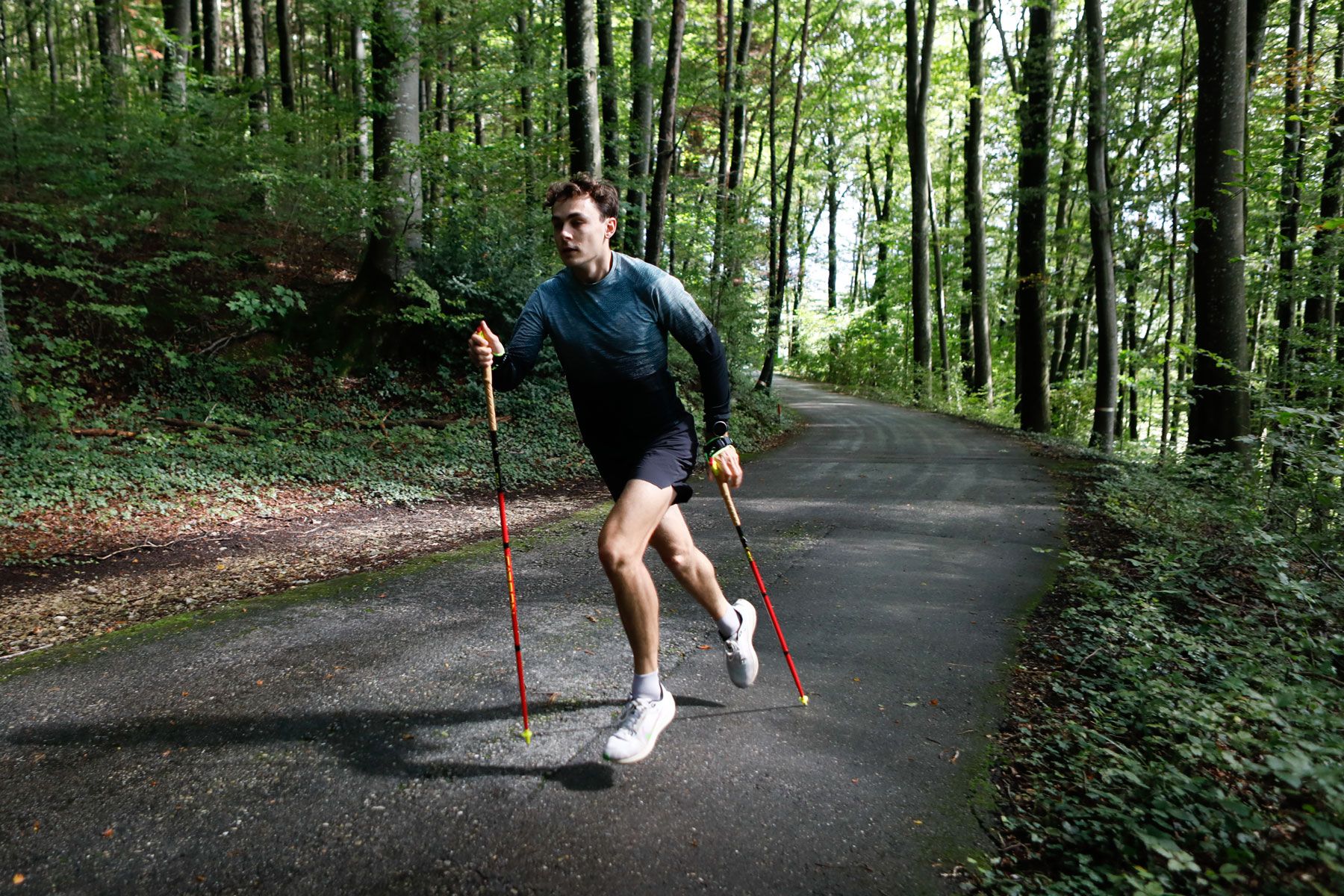
Runners are all too familiar with the problems that come with high training volumes: shin splints, Achilles tendon issues and knee pain. Cross-country skiing allows you to maintain or even increase your endurance training volume while giving your joints and connective tissues a break. The classic diagonal stride is particularly similar to the running action, helping to develop hip extension and push-off power. It also improves core stability, which can translate into a more efficient running style come spring.
The benefits for cyclists
Cyclists spend the entire season in much the same position, training almost exclusively their legs. Cross-country skiing provides a welcome change of pace and helps balance things out. It strengthens the back, shoulders and core, improves coordination and balance, and counteracts the effects of spending long hours in the same position. Skating, in particular, places considerable emphasis on the thighs and glutes, much like cycling, making it an excellent option for winter training.
How to incorporate cross-country skiing into your winter training
Build your endurance first: Keep most of your cross-country skiing sessions at an easy pace. If you can hold a conversation, you're working at the right intensity.
Keep training your main sport: Maintain one or two sessions a week in your usual sport to keep the movement patterns familiar.
Focus on effort, not speed: On snow, speed depends heavily on factors such as ski wax, trail conditions and temperature. Perceived effort or heart rate are better ways to gauge your intensity.
Prioritise technique over distance: A lesson or some targeted technique exercises at the start of the season are well worth the effort, as are occasional technique drills during a longer session. The more efficiently you ski, the longer you can train – and the more you'll enjoy it.
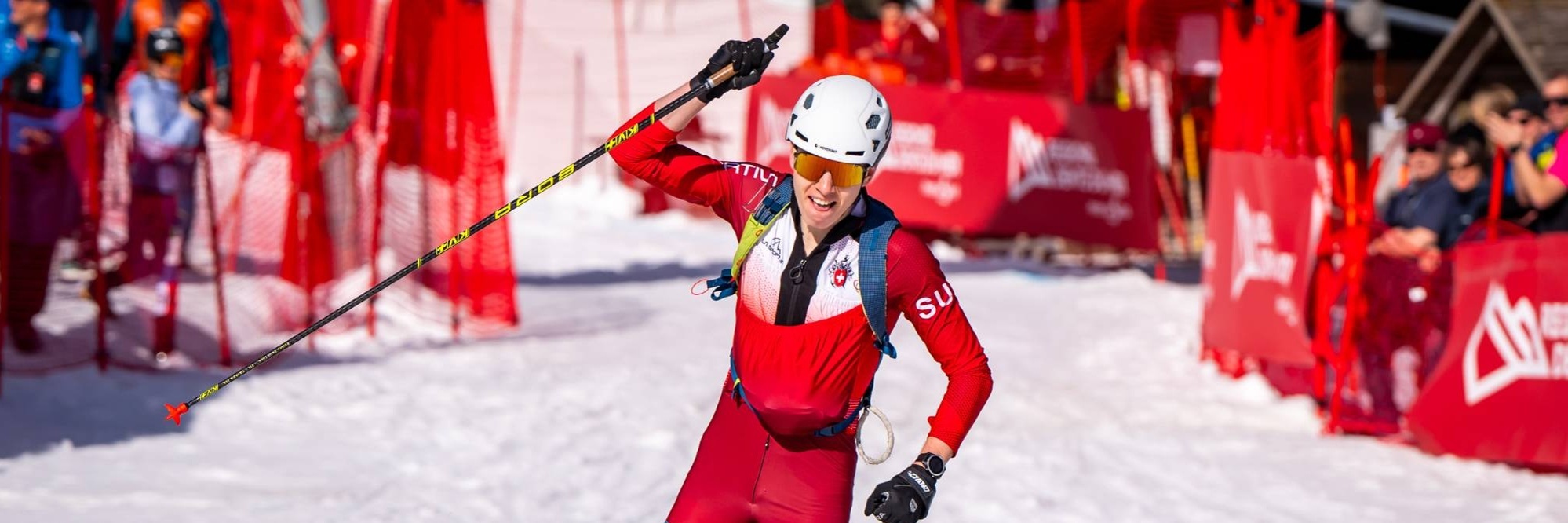
Set yourself a target event: Taking part in a popular cross-country skiing event in February or March gives your winter training structure and motivation.
A note on training load
Your first few sessions will probably feel harder than expected. Your upper body will be working muscles that aren't used to this level of effort, and mastering the technique takes energy. This is perfectly normal and should improve within a few weeks. Make your first outings shorter than your usual training sessions.
By the time you swap the trails for roads or off-road paths in March, you'll have built a broad endurance base, developed greater core stability and gained a fresh boost of motivation. It's hard to imagine a better starting point for the summer season.