Interviews
Interview with Stephan Hugenschmidt
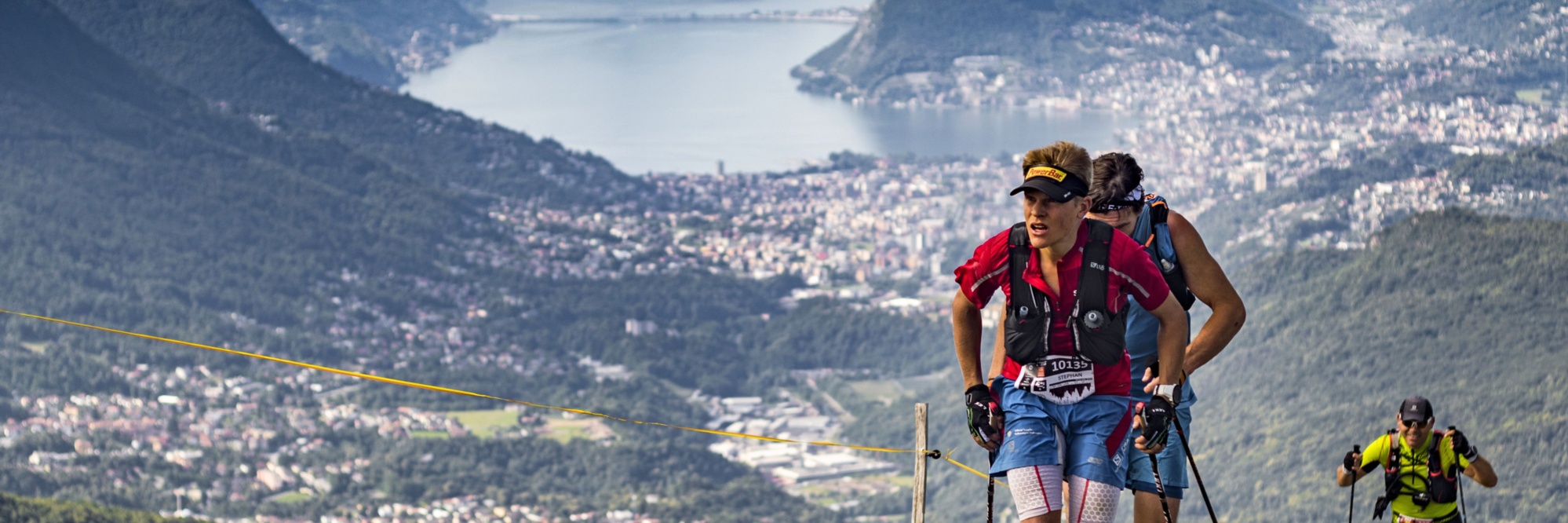
Periodically we publish an interview with an interesting sports personality. Stephan Hugenschmidt, winner of the 2017 Eiger Ultra Trail and 2017 Trail Runner of the Year.

One thing first: as annoying and as painful a side stitch can be, it is harmless. At the same time, this phenomenon that primarily occurs in running has no real medical explanation because the exact causes are still not fully understood today. However, it is assumed that several factors encourage and cause a side stitch:
Increased blood flow to the spleen
This causes the organ to swell, whereby the skin of the abdomen becomes stretched. This explanation, however, only seems to hold true when the side stitch occurs on the left-hand side.
Reduced blood supply to the diaphragm
The diaphragm of the respiratory muscles becomes stressed by the prolonged physical exertion and the additional lack of oxygen can lead to a cramp-like pain.
The connective tissues between the intestines and diaphragm become stretched after an abundant meal
Since athletes who train on an empty stomach also complain about side stitches, this reason is only partially plausible. However, it appears that an abundant intake of food and carbohydrate-rich and hypertonic drinks shortly before the sport have a negative impact on a side stitch.
Jolting when running
The fact that runners are more often affected by side stitches than other athletes could be because intestinal gases move upwards due to the jolting.
Change in tempo and rhythm
Many runners complain about side stitches during downhill passages. These not only require a change in the step rhythm but also in breathing. The constant change in pulse frequency can increasingly lead to side stitches, especially for beginners.
What are the possible ways to avoid a side stitch?
What should you do when the pain comes?
Periodically we publish an interview with an interesting sports personality. Stephan Hugenschmidt, winner of the 2017 Eiger Ultra Trail and 2017 Trail Runner of the Year.

In the period after intensive sports training or a competition up to complete regeneration, the human immune system is more susceptible to infections than usual. This phase is called the "open window".