
General tips
How to proceed after a COVID or flu infection
COVID is no longer a major issue in society and sport. While the virus has not disappeared, it is now considered a ‘normal’ viral infection. Here’s what to consider when resuming training.
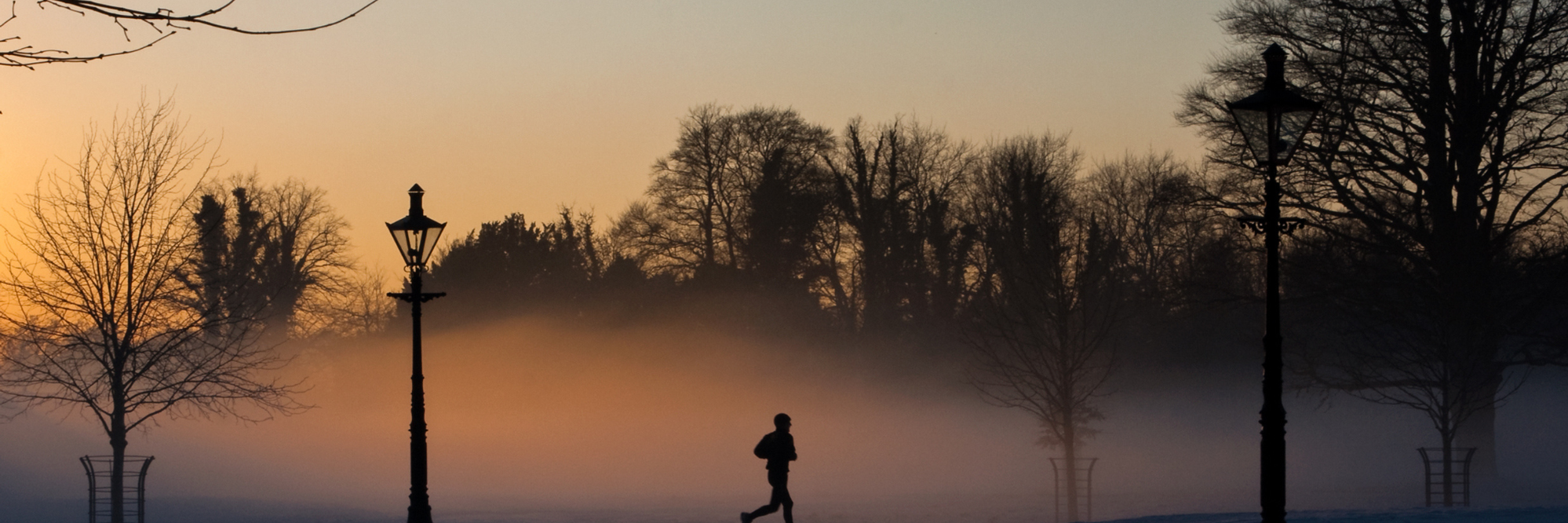
The days were still long and it was possible to train in the evening without any issues. Changing the clocks now means a rude awakening for many. The best tips for training after the clocks change.
Admittedly, the last few weeks haven’t been easy. A pleasant summer was followed by an abrupt transition to a cold, wet autumn. It felt as if the "golden autumn" was bypassed and November started immediately after September. Significantly cooler temperatures and unsettled weather aren't exactly ideal for endurance athletes.
And now the clocks have gone back. Suddenly, it now gets dark an hour earlier in the evening. The good news: The days have gradually been getting shorter since 22-24 September and the difference between night and day is less apparent. However, it's only seven weeks until 21 December when the days start getting longer again.
Nevertheless, the clocks changing has different impacts on training. This should be taken into account.
Although it is "only" one hour, the clocks going back an hour can seriously disrupt our sleeping pattern for a few days, which can have a direct impact on general form and thus athletic performance. The ability to recover is impaired and performance can be affected by fatigue.
In the morning it is a little brighter for a few days, while in the evening it gets dark early. This should be taken into account when planning your training sessions, routes and lighting for your own safety. It can be motivating to train over lunch time while there is daylight; after all, new training routes are always a welcome change.
If you are struggling to get back on track after the clocks change, the best way to exercise is to use the daylight in the morning to adjust your inner clock.
Until your body has adapted, it's worth avoiding high-intensity training sessions and focussing on extensive training instead.
COVID is no longer a major issue in society and sport. While the virus has not disappeared, it is now considered a ‘normal’ viral infection. Here’s what to consider when resuming training.
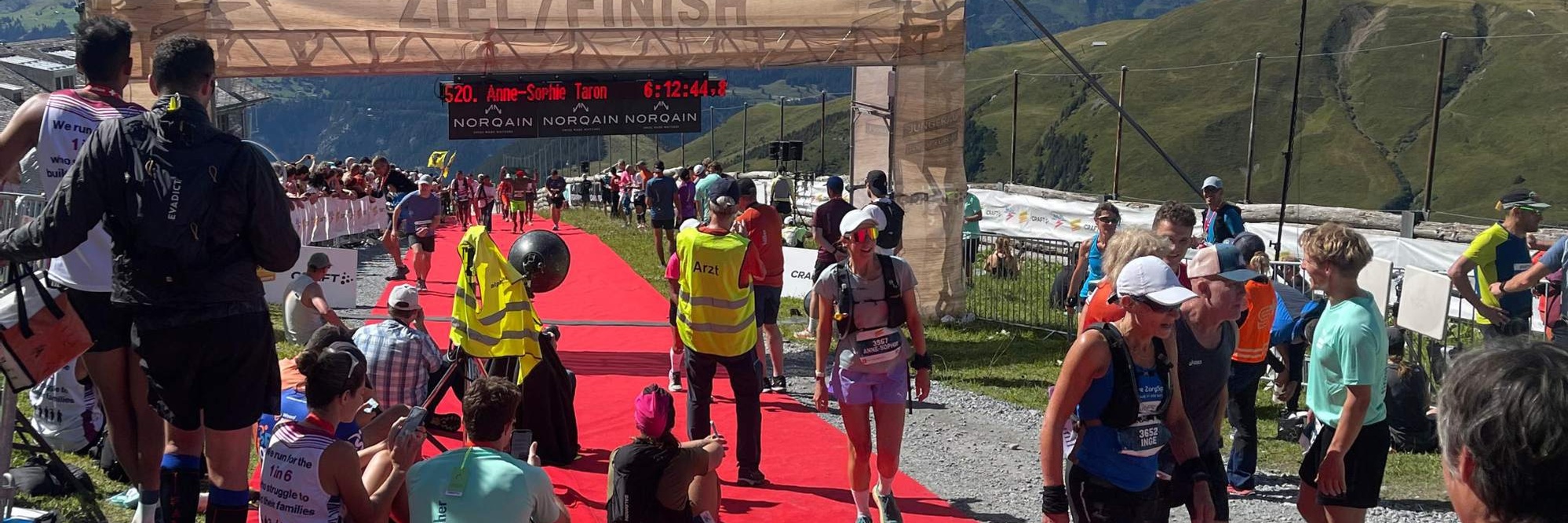
After the race is before the race, even though you might not feel like that straight afterwards. The following tips are the best way to recover from the exertion and lay the foundations for a successful competition next time around.
