
Training tips
14-week training plan on a cycling marathon
You want to participate in a cycling marathon? Here you will find a training plan that will sharpen your form for your season highlight.
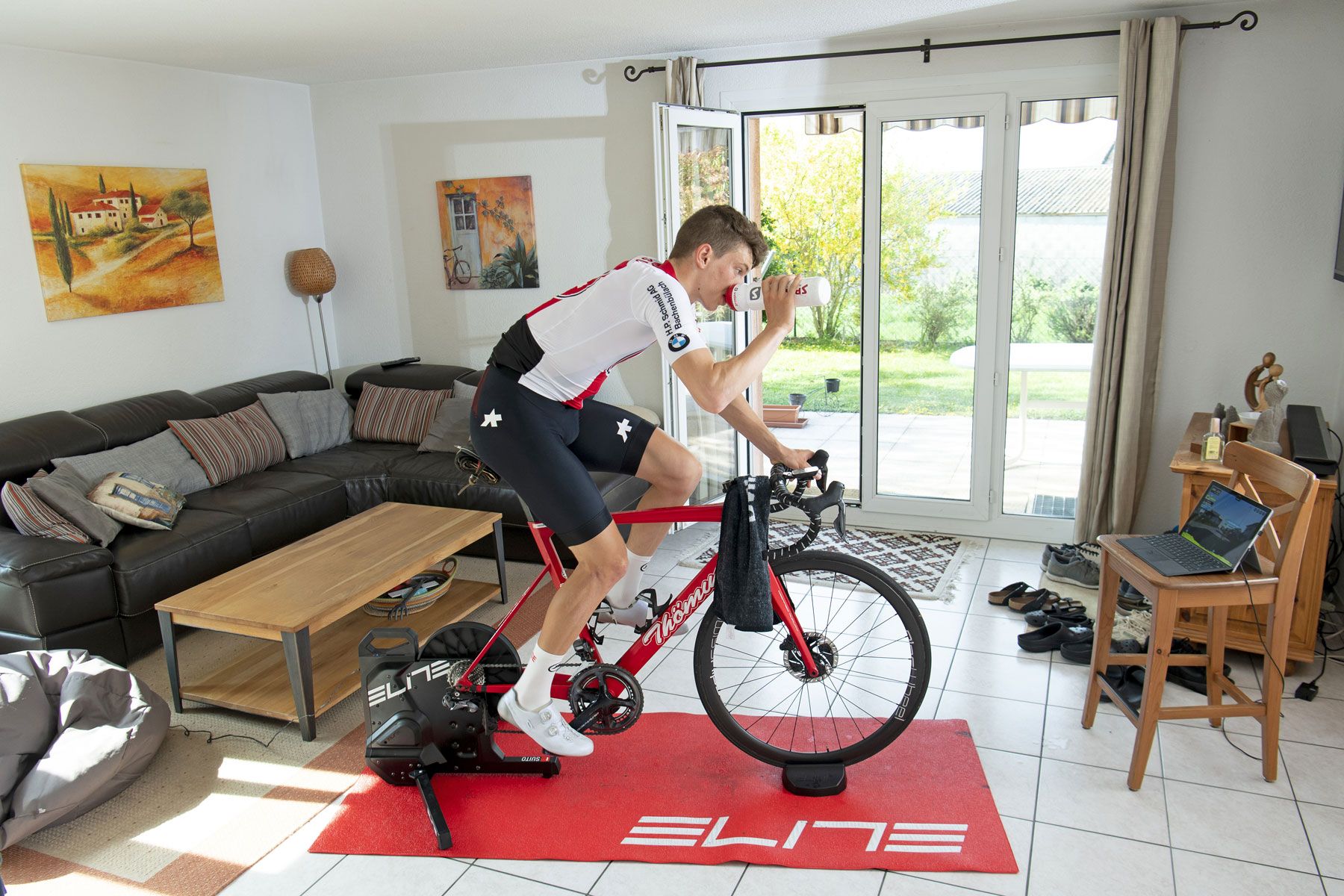
Photo: KEYSTONE
If you want to hit the ground running when the cycling season begins in spring, winter is the time to build your fitness – often on the turbo trainer. With the right training sessions, effective cooling and careful control of intensity, indoor cycling can become one of the most effective ways to train throughout the year.
If you want to hit the ground running when the cycling season begins in spring, winter is the time to build your fitness – often on the turbo trainer. With the right training sessions, effective cooling and careful control of intensity, indoor cycling can become one of the most effective ways to train throughout the year.
Indoors, you can forget about all the things that interrupt your ride outdoors: traffic lights, descents, headwinds, traffic, darkness and icy roads. You can pedal continuously and follow your interval sessions to the letter, with precise control over both timing and power output. There are no natural recovery periods, such as those you get when coasting downhill outdoors. As a general rule, one hour on the turbo trainer is equivalent to around 1 hour 15 minutes to 1 hour 30 minutes of riding outdoors.
There are also practical advantages in terms of convenience and safety. You can fit a session into your day early in the morning or after work, without needing specialist winter clothing. There's no need to clean road salt off your bike afterwards, either. If you train in the evening, you also don't need to worry about lights or being visible to traffic.
There are, however, some drawbacks. The bike remains fixed in one position, so you miss out on steering, balance, cornering skills and the natural changes in riding position that come with hills and descents. Your saddle, neck and back are subjected to more repetitive loading, and without the cooling effect of moving air, your body temperature rises quickly. That's why it's a good idea to stand up briefly every 10 to 15 minutes and make small adjustments to your riding position. Indoor cycling also places greater demands on your mental stamina. Pedalling away in the same spot for long periods can become monotonous, making it mentally more tiring than a varied ride outdoors.
The best approach is therefore to combine the two. The basic rule: let the weather dictate where you ride. Head indoors when it's cold and wet, and make the most of mild, sunny days outdoors. The turbo trainer allows you to undertake precise training sessions, while outdoor rides provide the opportunity to work on bike handling skills, enjoy some variety and get some fresh air.
For years, the conventional wisdom was to stick to long, steady rides during the winter. Today, the approach is different. Known as reverse periodisation, it involves incorporating shorter, high-intensity sessions into your winter training programme. One or two intensive sessions a week are sufficient, with the remaining sessions kept at an easy pace. If you're struggling to find the motivation for hard training sessions, taking part in a race on Zwift can be a good alternative.
If you're just getting started with winter training on the turbo trainer, begin with two or three shorter, easy sessions of 30 to 45 minutes. This gives your body, riding position and mind time to adjust to cycling without the cooling effect of moving air.
The following sessions work particularly well as part of a structured training programme:
Sweet spot intervals: 2–3 × 10–20 minutes at 88–94% of FTP. These deliver significant training benefits without causing excessive fatigue.
Threshold intervals: For example, 3 × 10 minutes at around 100% of FTP.
VO2max intervals: 4–6 × 3–4 minutes at 110–120% of FTP, with equal-length recovery periods.
Technique and cadence: Vary your cadence from 40 to over 120 revolutions per minute (rpm). Include standing climbs and sprints.
Endurance training: Easy, steady riding at 55–75% of FTP.
An ideal endurance session lasts between 45 and 90 minutes. For interval sessions, 60 minutes, including warm-up and cool-down, is generally sufficient. Long endurance rides of two hours or more are possible, but can be mentally demanding indoors. It's better to save these for dry weekends when you can ride outside. Two to three turbo trainer sessions per week, combined with one longer outdoor ride, provide a good training foundation.
When training indoors, power is the preferred metric. Power output responds immediately and can be reproduced accurately from one session to the next. Heart rate, on the other hand, takes time to respond during short intervals. It also tends to rise in warm indoor environments, even when power output remains unchanged. This is known as cardiac drift. If you rely solely on heart rate to regulate your effort, you may end up training too easily.
The ideal approach is to use both: power guides your effort, while heart rate provides a useful check. If your heart rate is noticeably higher than usual at a familiar power output, this could indicate fatigue, overheating or the onset of an illness. In that case, it's best to ease off. Your perceived exertion is another useful measure.
Should you use the same power indoors as outdoors? Usually not. Many cyclists produce 5–10% less power indoors, mainly because of heat, the lack of natural changes in riding position and differences in pedalling dynamics. It's therefore best to test your FTP separately on the turbo trainer and use the results to set your indoor training zones.
A powerful fan is essential, not a luxury. Without adequate cooling, your power output will drop and your heart rate will rise. Ideally, use a large fan positioned directly in front of you. If you sweat heavily, adding a second fan to the side can help. You should also train in a cool, well-ventilated room and have a towel and bike protection mat to hand.
Sweat losses during indoor cycling can reach 1 to 1.5 litres per hour. It's therefore sensible to drink around 500–750 ml per hour, adding electrolytes during longer sessions. For sessions lasting around 75 minutes or more, or during particularly intense interval training, consuming 30–60 g of carbohydrates per hour can help maintain performance. A sports drink is one convenient option.
You want to participate in a cycling marathon? Here you will find a training plan that will sharpen your form for your season highlight.

Well-prepared off-road: With these 10 tips, you’ll conquer your first trail running race — from the right gear to optimal pacing.
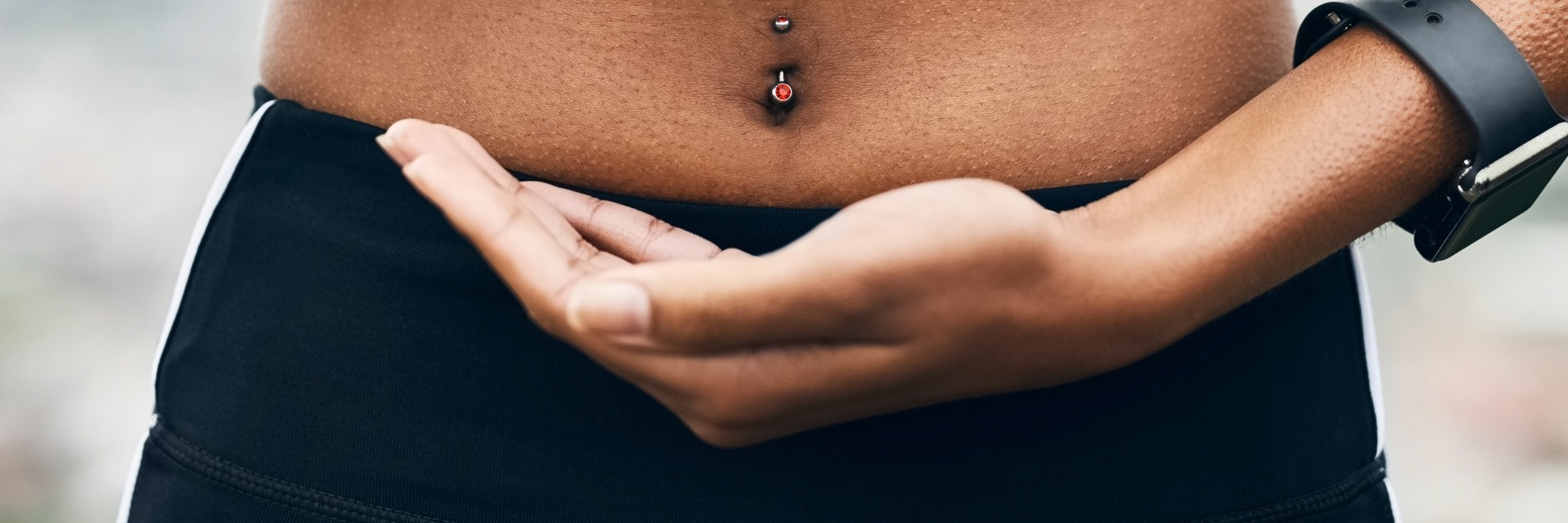
When your stomach doesn’t want to cooperate, physical performance turns into torture. And the flip side of the token: healthy intestines help athletes soar to new heights.
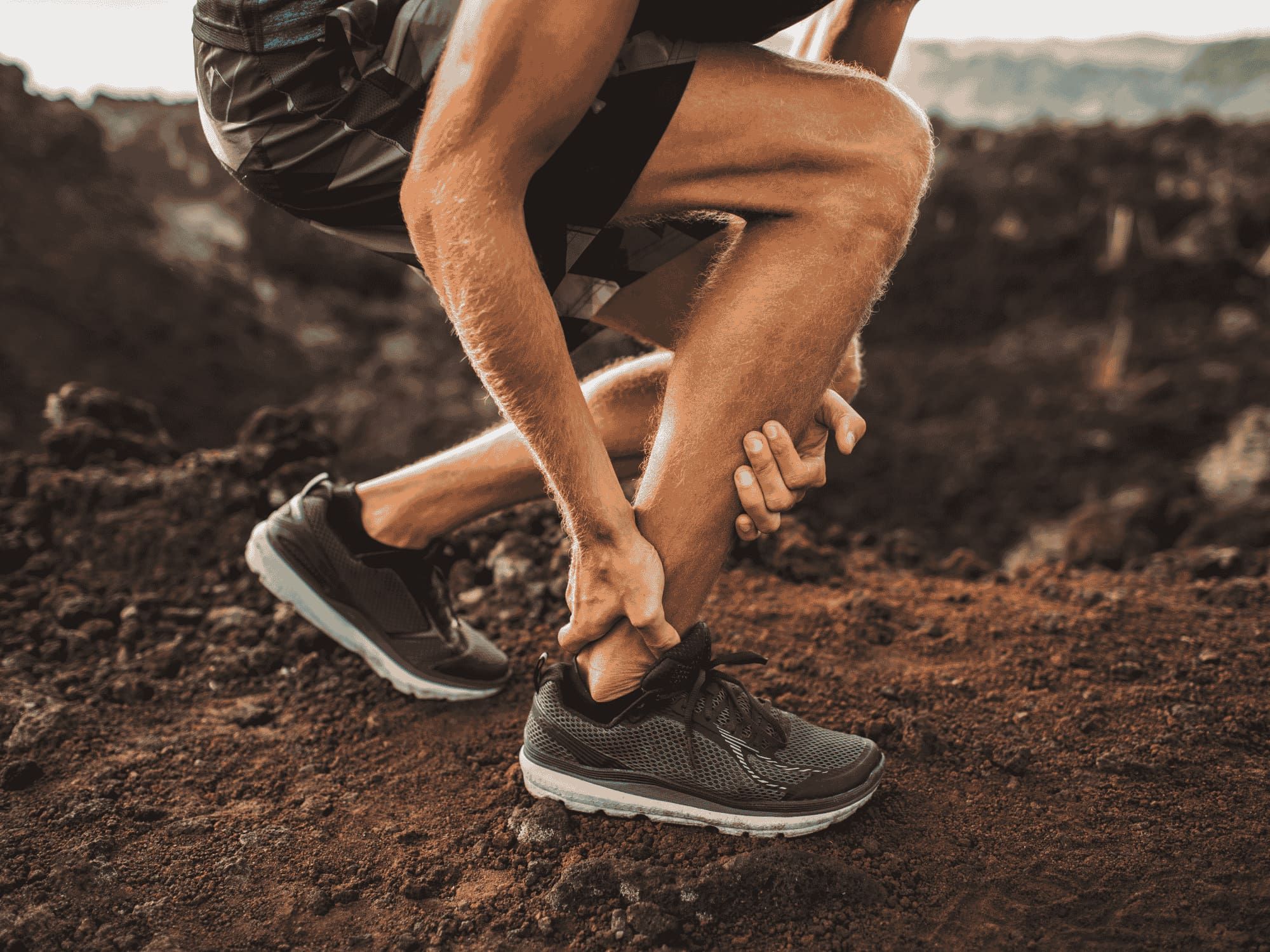
Many runners will be familiar with the problem: the Achilles tendon hurts, feels tender under load or starts to make itself felt after training. This can be a persistent issue, as tendons have a relatively poor blood supply and heal slowly. Patience is essential – along with the right training.