Training tips
Start your planning now
Anyone wanting to achieve a major goal next year should start their planning and preparation now.
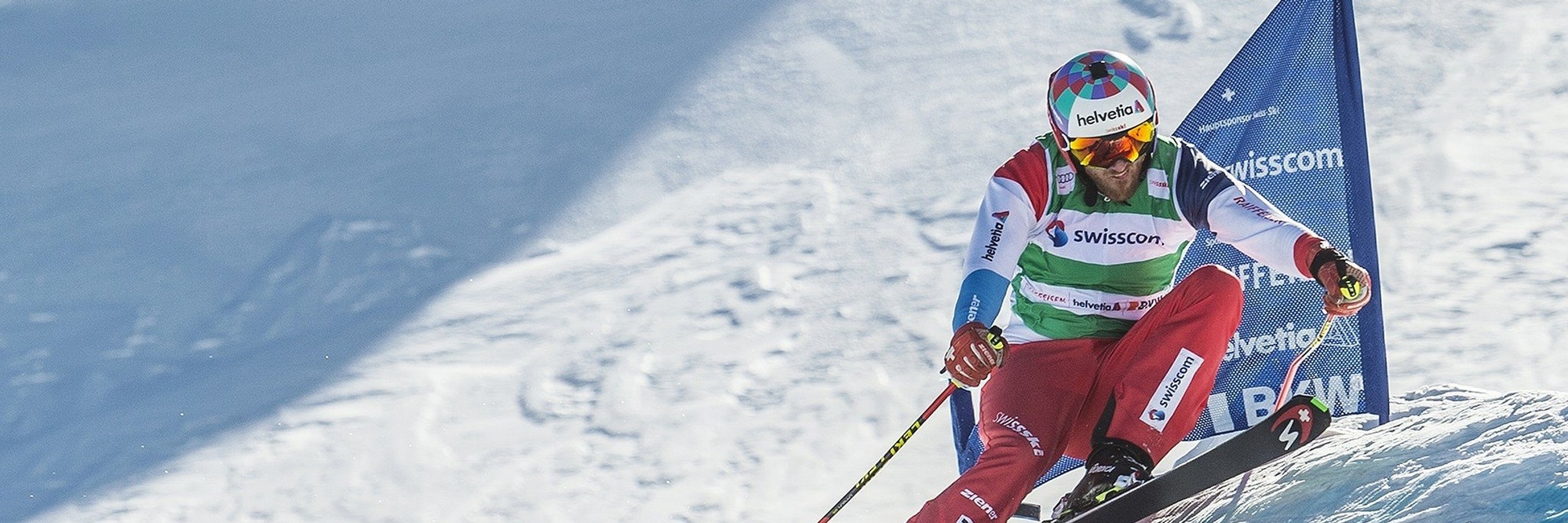
After several years as an alpine skier, Alex Fiva switched sports and became one of the world's most successful ski crossers within a short period of time. The multiple participant of the World Championships and Olympic Games and ambassador of the Stätz Race wants to prove he can do it again this year.
What does it take to become a ski crosser today? And how will it be in 5-10 years?
It is currently normal to switch from alpine skiing to ski cross racing. First of all, you need to learn the basics of skiing and then you can switch to ski cross, if you feel like it. I think, however, that the two sports will merge ever more closely over the next few years, and ski cross will become a discipline of the alpine skiing competitions. This will then impact the overall training of young skiers in the sense that they will already do ski cross racing at an early stage.
What are the differences in terms of the requirements that are needed and training in general?
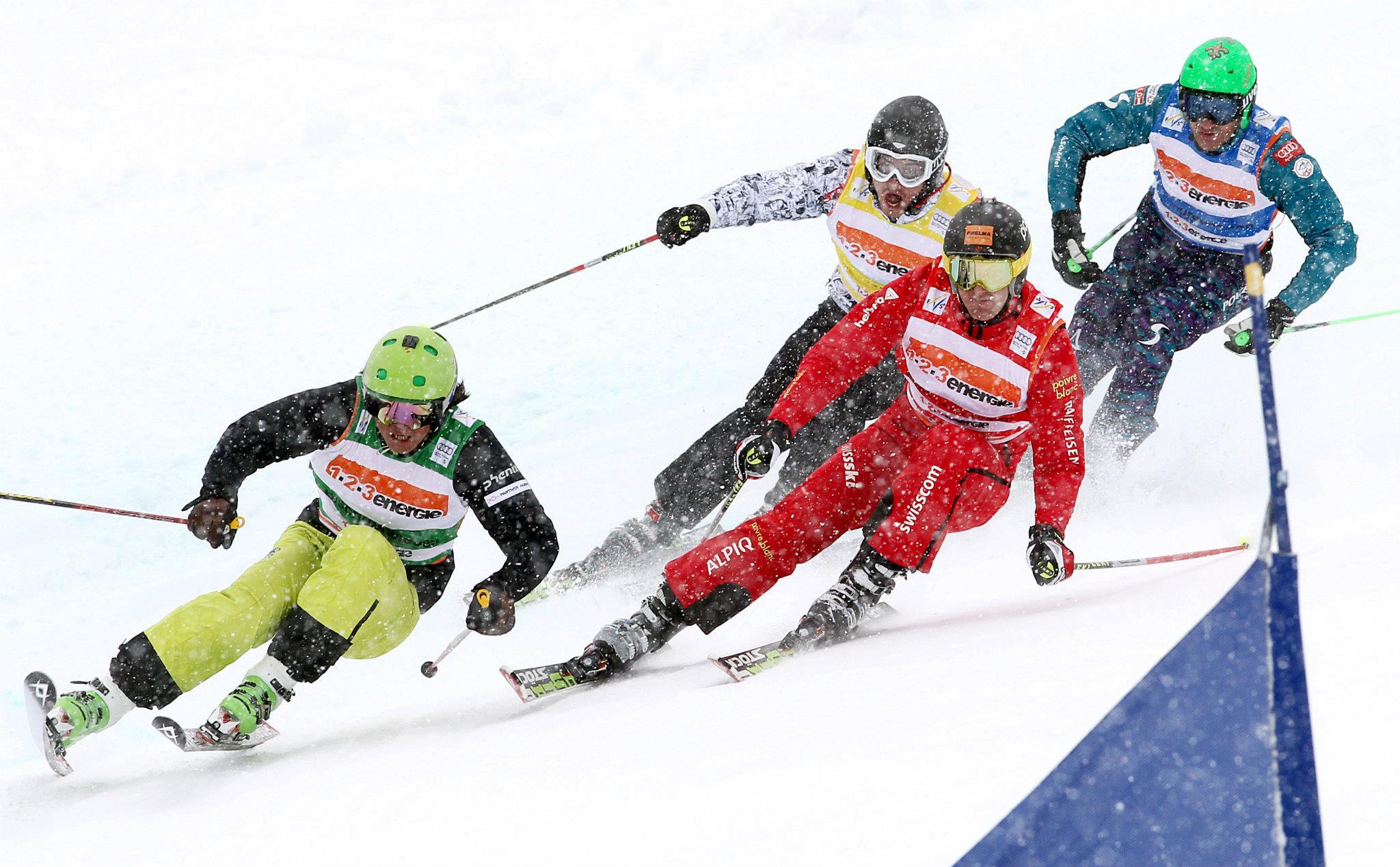
While alpine ski racers may perhaps be fast, as soon as they face 2-3 opponents, they are overtaxed, because they need to be more flexible in terms of line selection. This shows that ski cross racing is more than just skiing fast, jumping wisely and skilfully riding the waves.
In ski cross racing, the start is incredibly important, which is why it is given top priority in training. We already focus on training the upper part of the body in summer and repeatedly practice the start in winter. Especially in bad weather when “normal” skiing is out of the question.
It takes more than a strong upper body. What does everyday ski cross training look like?
When we resume training in April/May, we do strength training 5 times a week in the morning and take care of the other fitness factors in the afternoon. This phase lasts until around the beginning of August. Then it's off to the glacier, where we do the first ski training and continue our fitness training in parallel. As soon as the winter arrives, we literally travel from race to race and train in racing mode. We maintain our fitness by doing an active warm up and wind down before and after the races.
You have been ski cross racing for more than 10 years. What do you find fascinating about it? How do you deal with the relatively high risk of injury?
Standing with four skiers at the starting line, feeling their presence, fighting against each other in the race – that’s what makes this sport appealing.
Even though falls and injuries occur time and again – they neither bother nor inhibit me. In actual fact, we try to minimise the risk of injury by doing strength training. This helps us to cushion the blows in the event of a fall. Safe courses do a lot to protect us, which is why we have been working closely with the course builders for years.

In alpine skiing, the equipment is vital to success. Is this the case for ski cross racing?
The equipment is also very important to us, because we ski at an average of 70-80 km/h. For this reason, we have service people who ensure the best conditions, even during the race: we usually have two racing skis on location which we change after each run. The pair that is not in use is freshly prepared for the next run.
Do you decide on your tactics before a run?
If you look at the course before the race, you can figure out where you can roughly overtake or block the others. In many cases it turns out differently, however, and you need to change your mind within a fraction of a second. Experience is particularly helpful here in order to know when and where to attack, so you can optimally pick up the speed.
How do you deal with nervousness? What tips do you have for amateur athletes?
I have to hype myself up somewhat. If you're nervous, then focus on what you can do, cut yourself off, listen to music and concentrate only on yourself.

What in your eyes are the fundamental keys to success?
Success doesn’t happen automatically; it requires hard work. If you do get to experience it, then you shouldn’t rest on your laurels but continue to work - in as many areas as possible.
How can you prepare for a race like the Staetz Race?
Seeing as the Stätz Race is a long race, firstly, you should arrive as rested as possible, secondly, deliberately inspect the route, so that you can concentrate on the key points in the race and, thirdly, keep an eye on the weather. The conditions in spring can vary greatly during the day, which will have a major impact on your equipment.
And finally, it is extremely important to have fun and take a relaxed approach!
Anyone wanting to achieve a major goal next year should start their planning and preparation now.

For the last four years, we have been publishing interviews with sports personalities on a fortnightly basis. They covered Swiss Champions, World Champions, and even Olympic Champions!