
Diet tips
Does magnesium really help against cramps?
Magnesium – alongside iron – is one of the most commonly used minerals in sports supplements and is primarily taken as a preventive measure against muscle cramps.
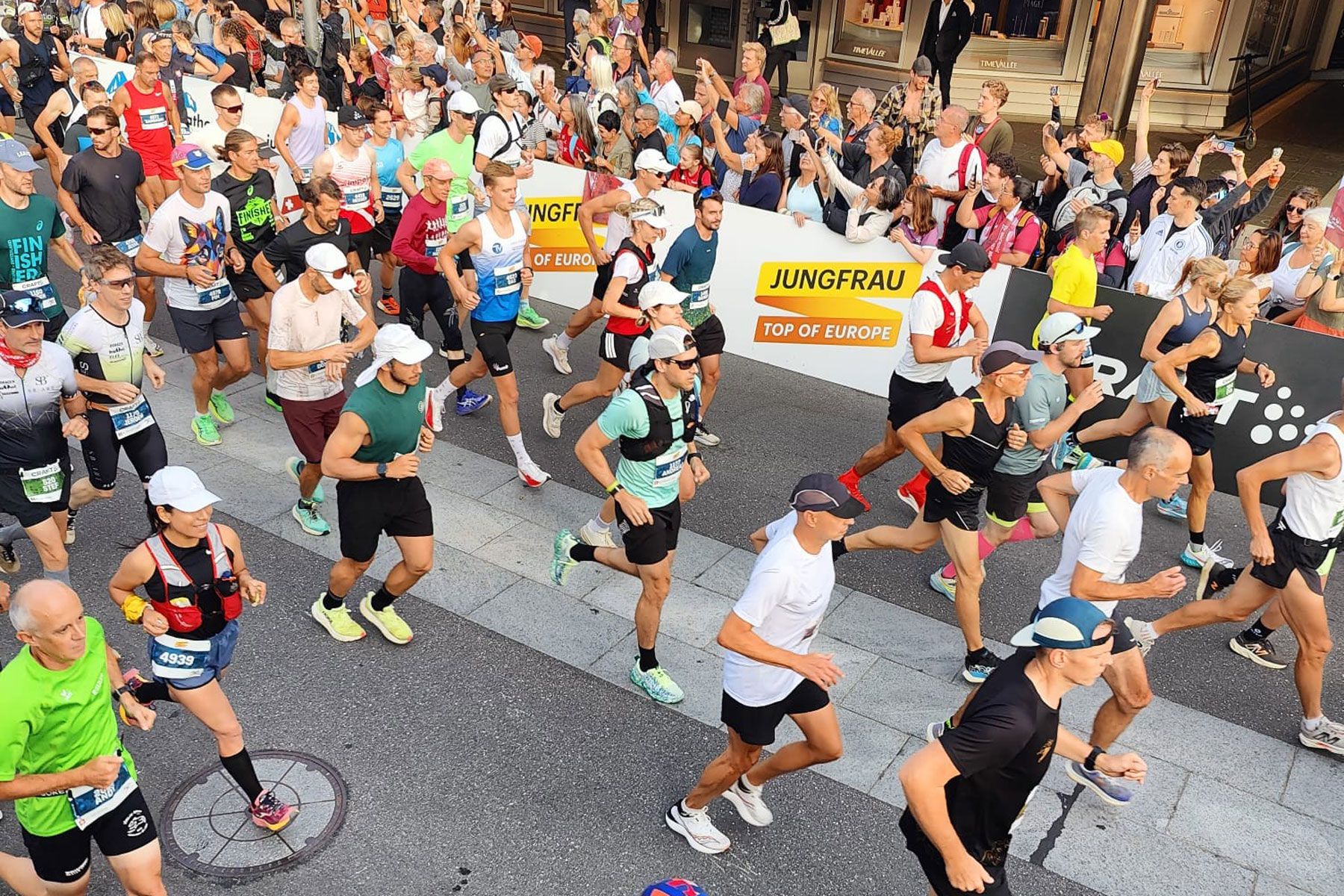
A calf cramp in the middle of a race – the immediate suspicion is usually that you have not drunk enough or are lacking electrolytes. A new hypothesis from sports science shifts the focus to a factor that has received little attention to date: the mechanical properties of the surface we run on.
For decades, dehydration and electrolyte deficiency have been considered the main suspects when it comes to exercise-associated muscle cramps. The problem is that many cramp episodes cannot be satisfactorily explained by these factors alone. A recent hypothesis paper by sports scientists Hales and Johnson therefore takes a different approach, focusing on the so-called altered neuromuscular control theory. It proposes that cramps are primarily caused by disrupted regulation within the nervous system: as fatigue increases, muscle spindle activity rises while the inhibitory effect of the Golgi tendon organs decreases. The result is overactivation of the alpha motor neurons and, in unfavourable circumstances, an involuntary sustained muscle contraction: the cramp.
What is new about the hypothesis is the link between this theory and the running or playing surface itself. The basic idea is that when the body encounters a surface with unfamiliar mechanical properties – such as differences in stiffness or energy return – it automatically adjusts its movement and muscle recruitment patterns. This adjustment increases neuromuscular strain and accelerates local fatigue, which, in turn, may contribute to an imbalance between excitatory and inhibitory signals. One of the studies cited found differences in myoelectrical activity of 11% in men and 9% in women when sprinting on different sports surfaces. According to the authors, biarticular muscles such as the calves and hamstrings are particularly susceptible because they span two joints and play a central role in force transmission and rapid movements.
Important: this is a hypothesis, not a proven cause. The authors themselves emphasise that the direct link between a mismatch in surface properties and cramp frequency has not yet been tested in studies. They also do not consider the running surface to be the sole trigger, but rather a possible additional factor alongside a history of cramps, training volume, race intensity, weather conditions and individual predisposition. Nevertheless, the idea offers a practical point to consider: if you are preparing for a road race, it makes sense to include at least some asphalt running in your training rather than training exclusively on soft tracks or woodland trails, in order to familiarise your muscles with the race surface. It is also worth choosing your shoes according to the expected running surface rather than considering footwear and surface independently of each other. Until further research confirms or disproves the link, the takeaway is clear: deliberately include changes of surface in your training as one of several sensible measures to help prevent cramps – not as a substitute for adequate hydration, electrolytes and appropriate load management.
Magnesium – alongside iron – is one of the most commonly used minerals in sports supplements and is primarily taken as a preventive measure against muscle cramps.

Most people have already experienced muscle cramps, above all in hot temperatures and under intensive loads. Vinegar water is beginning to establish itself as an antidote.
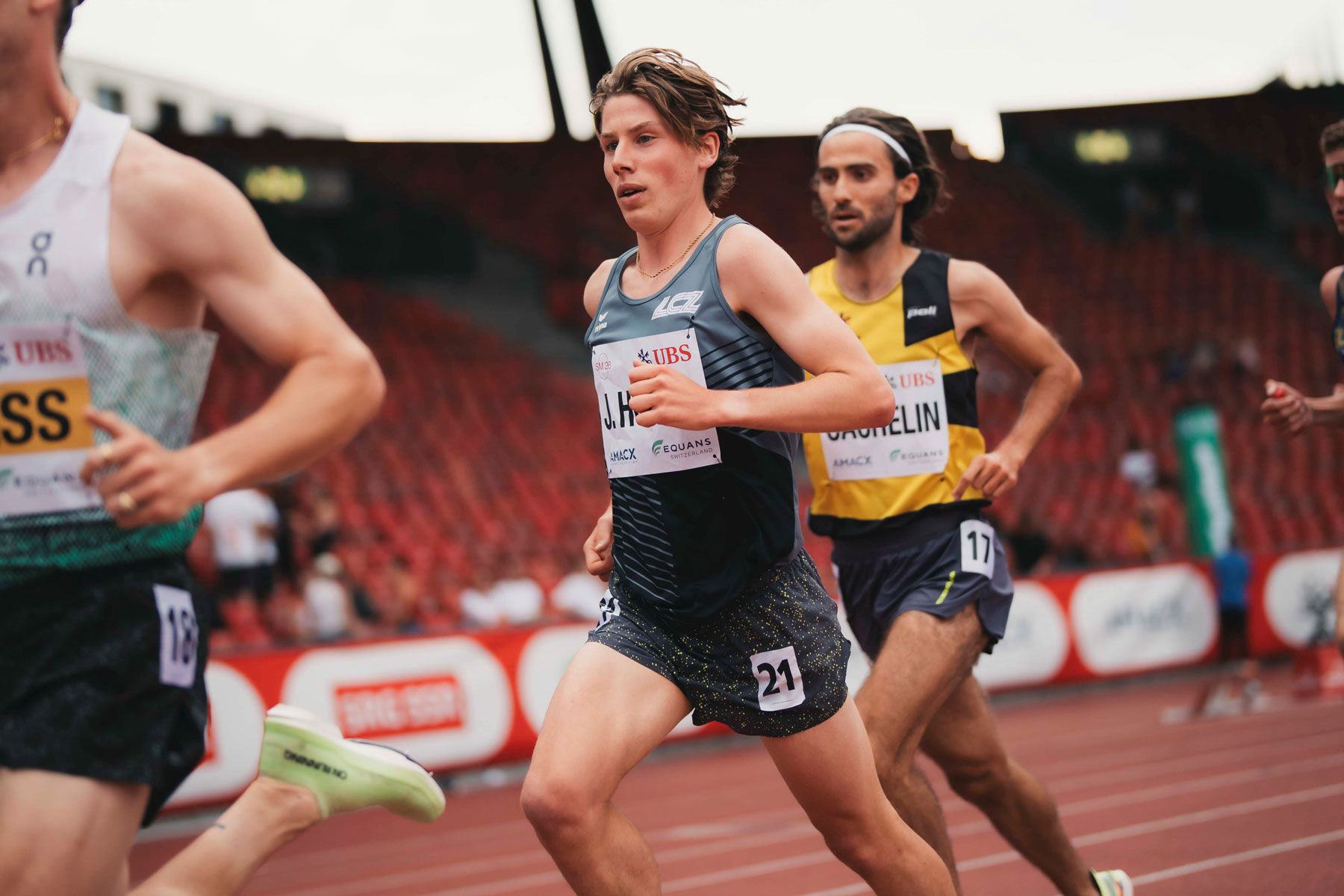
The 23-year-old Zurich native Jonathan Hofer is one of Switzerland’s most promising long-distance running talents. This year, he made his breakthrough: at the GP Bern, he ran the 10-mile race in 49:28 and finished fourth, while at the Berlin Half Marathon he set a personal best of 1:02:51. At the end of September, he rounded off his season by winning his first Swiss half-marathon title.

Few questions occupy runners more than this one: How many times a week should you train to improve – without overdoing it? The honest answer? There is no magic number that works for everyone. Your ideal training frequency depends on three things: your fitness level, your goals and what your everyday life allows.