Training tips
Prevent Common Foot-Related Exercise Injuries
Plantar fasciitis and other exercise-related foot injuries can be debilitating. Find out the causes of, and how to prevent, the 5 most common injuries.
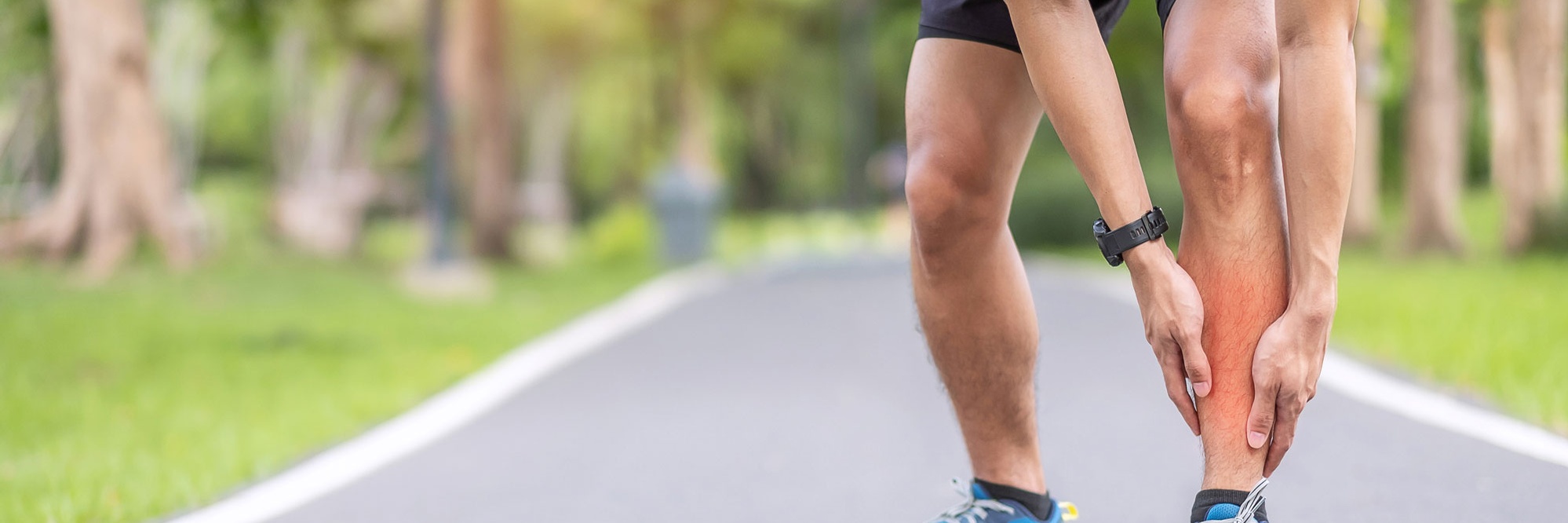
Unfortunately, this happens far too often: pain on the front edge of the shinbone, which gets worse with each step. The only remedy is to stop running. What causes this pain response and what can I do about it?
This article is brought to you by Spiraldynamik
Pain in the lower leg can come unannounced at some point and doesn’t want to go away. The pain gradually increases, and no solution is in sight. The longer this condition persists, the worse the effects. But where does this pain come from? And what can I do about it?
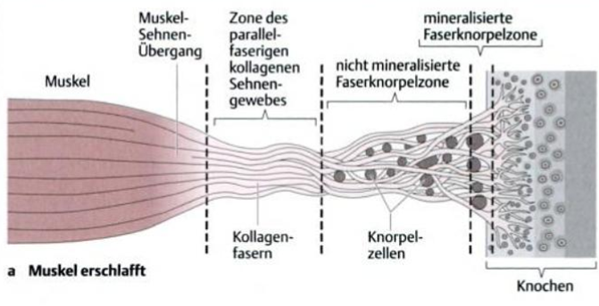
Periostitis on the edge of the shinbone, also called «shin splints», is mainly found in runners. The shinbone is the weight-bearing bone. Tension in the muscle insertions on the shinbone can trigger periostitis. The mechanism behind it equates to simple physics: if the muscle-tendon complex has too much tension, this stress is transferred to the bones. The increased pull of the muscle on the bone then irritates the site of connection between the tendon and bone (osteotendinous junction). In the graphic, this corresponds to the mineralised fibrocartilage zone, the periosteum. Unfortunately, the pain can also come from a fatigue fracture in the lower leg. It is important to differentiate and clarify this. Impact and vibrations make a fatigue fracture particularly painful. Hopping on one leg or landing with your heel firmly on the ground is much more painful with a fatigue fracture than with periostitis. Unfortunately, the distinctions between periostitis and a fatigue fracture are blurred. That's why early diagnosis and early action are important!
The anterior shinbone muscle (tibialis anterior), the posterior shinbone muscle (tibialis posterior) and the long toe flexors (flexor hallucis longus and flexor digitorum longus) are often concealed «spoilsports». The exact localisation of pain indicates the muscle that is affected. If the pain is somewhat higher on the outside of the lower leg, the front shinbone muscle is overloaded. If the pain is somewhat lower down on the inside, the posterior shinbone muscle and the toe flexors may be to blame. The foot position also allows conclusions to be drawn about the underlying cause: skew foot is more likely to point towards the posterior shinbone muscle, and claw toe to the toe flexors.
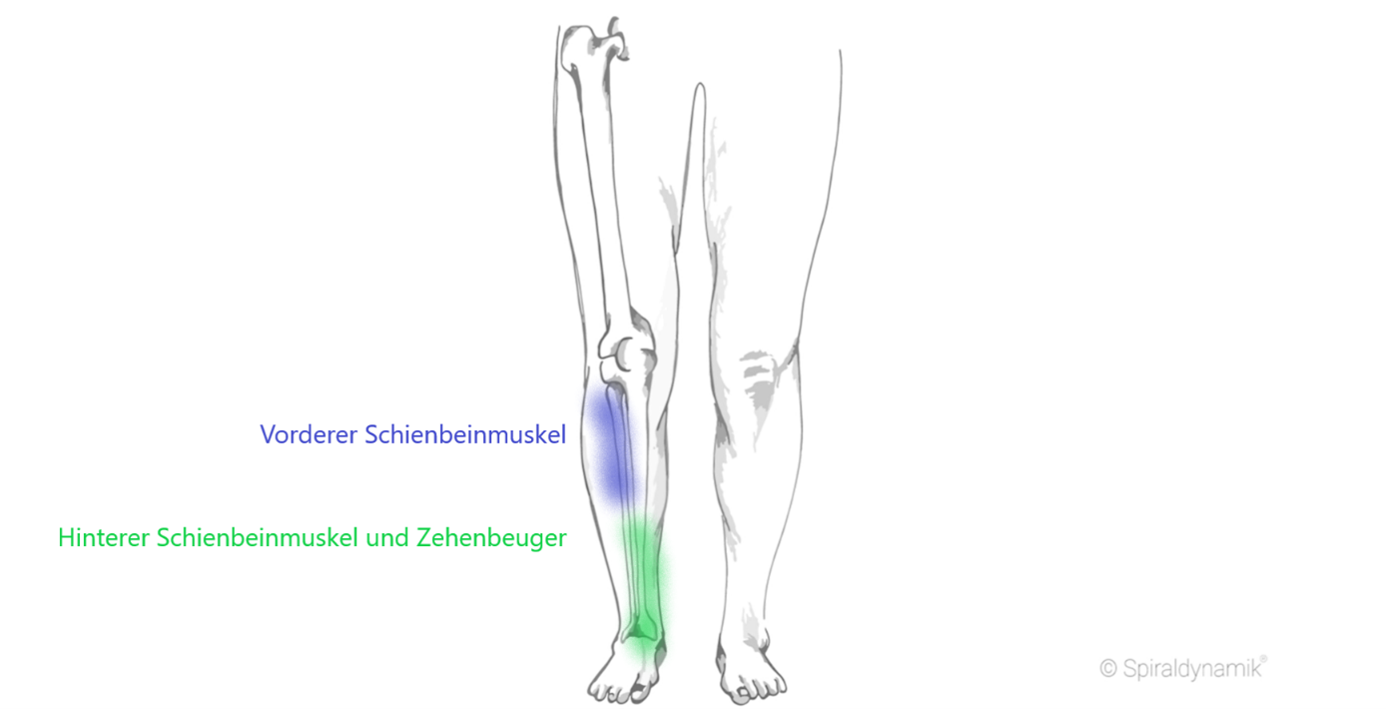
In the case of inflammation in the anterior shinbone muscle, it is primarily a weakened foot arch that overloads this muscle. The main task of the muscle is to lift the foot. But if it is also used to stabilise the foot, it will quickly reach its limits. When the foot is lifted more often, e.g., going uphill, the muscle is overloaded, resulting in irritation on the upper edge of the shinbone. However, if the posterior shinbone muscle is affected, the heel often skews inwards (hyperpronation) and the muscle here is overloaded by the constant tension. The same is true for the toe flexors; if the toes are in a claw position, the flexor muscle is overloaded. Both trigger pain in the lower third section of the leg on the inside of the shinbone.
Immediate action: stop jogging for a short period of time. You need to relieve the osteotendinous junction. Secondly: do structured foot muscle training. Here, it is important to know which muscles require functional training:
Plantar fasciitis and other exercise-related foot injuries can be debilitating. Find out the causes of, and how to prevent, the 5 most common injuries.

Your feet have been carrying you your entire life. But suddenly your forefoot hurts while jogging. Do your feet even hurt when cycling?