Foto: Seefeld x Madshus; Moritz Klee
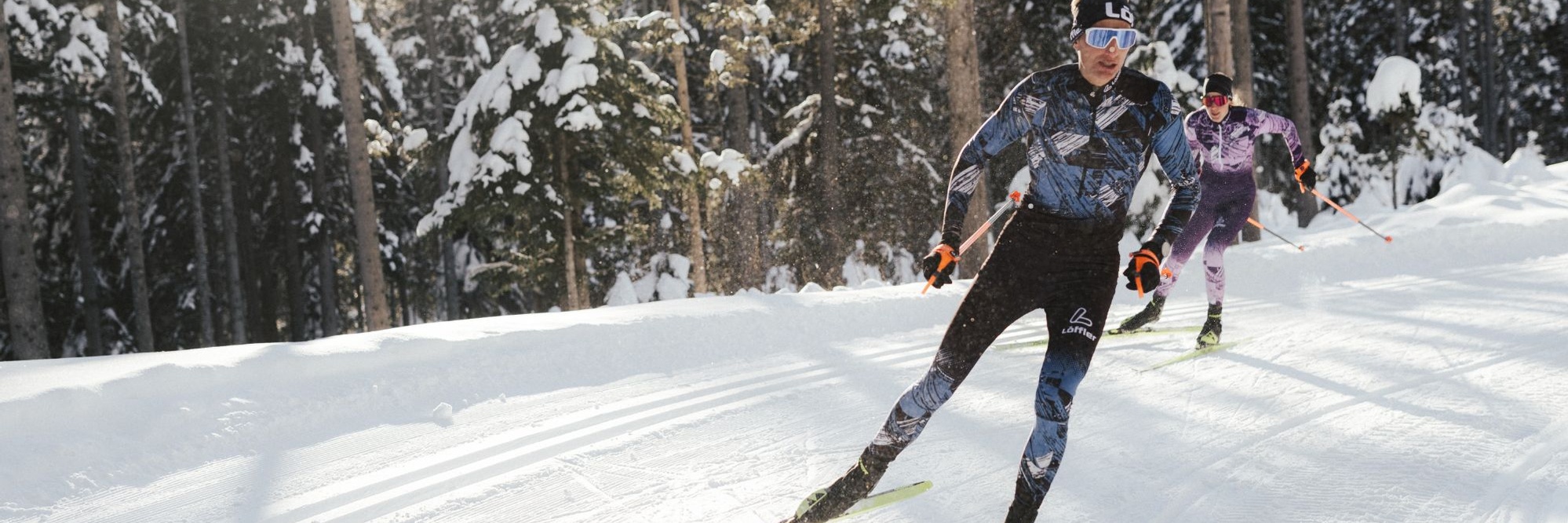
For many, a popular cross-country skiing event such as the Gommerlauf or the Engadin Skimarathon is the highlight of the winter. Whether you're aiming to complete the full 42 kilometres or tackle a shorter distance, you'll need a training plan. Here's a guide to the final twelve weeks of preparation.
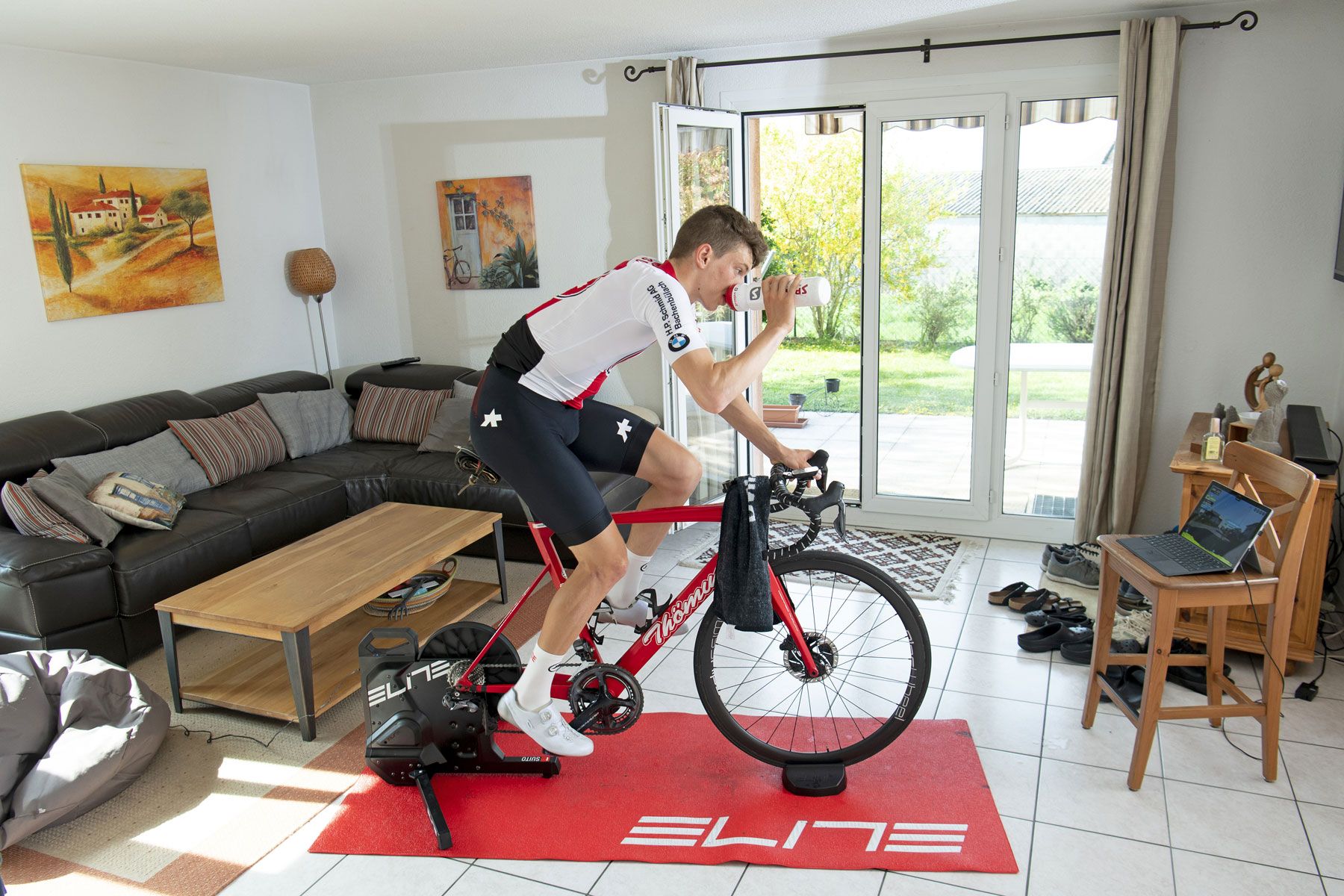
Most of Switzerland's major cross-country skiing events take place between late January and March. Starting a focused training programme twelve weeks beforehand means getting underway in November or December – often before the trails at lower altitudes are covered in snow. In the meantime, roller skiing, running and cycling are ideal ways to build and maintain your endurance until the snow arrives. This training plan is designed for recreational skiers with a solid endurance base who can fit in three to five training sessions a week.
Phase 1: Building your endurance base (Weeks 1–4)
The first four weeks focus on building endurance and improving technique. Most sessions should be at an easy pace, where you can still comfortably hold a conversation.
One long session per week, starting at 90 minutes and increasing by around 15 minutes each week.
One or two shorter, easy sessions lasting 45 to 60 minutes.
One technique session, focusing on maintaining good form over short sections, ideally with coaching or video analysis.
One core and strength session, focusing particularly on double poling and stability.
Phase 2: Building strength and speed (Weeks 5–9)
This is where intensity starts to increase. The long session remains the cornerstone of the programme, building up to two and a half to three hours.
One interval session per week, for example 5 × 5 minutes at a brisk pace with 3 minutes of easy recovery, or 8 × 2 minutes uphill.
One sustained tempo session of 30 to 40 minutes at race pace.
Incorporate sections at race pace into the long session and use this opportunity to practise your fuelling strategy.
Plan week 7 as a recovery week, reducing the overall training volume by around a third.
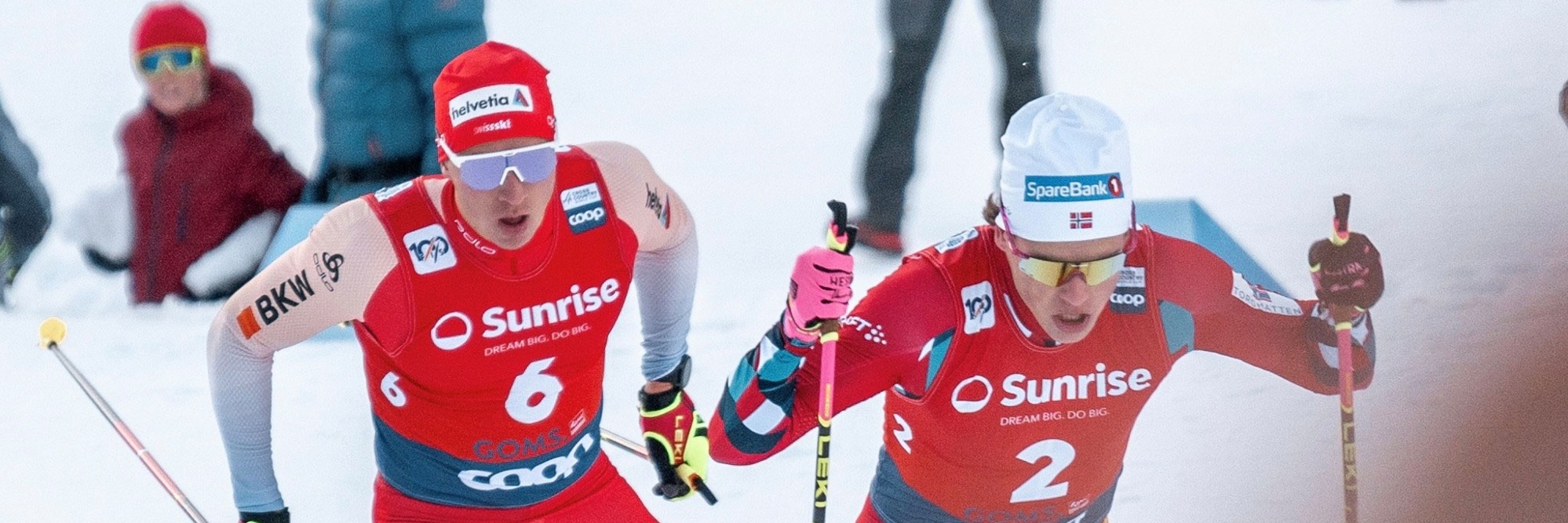
If possible, take part in a shorter cross-country skiing event during this phase to prepare for the main event. This is a good opportunity to practise the start procedure, test your equipment and get a feel for your race pace under competition conditions.
Phase 3: Tapering (Weeks 10–12)
Over the final three weeks, gradually reduce your training volume while maintaining intensity.
Week 10: Your final long session, lasting around 80% of your expected race duration.
Week 11: Reduce training volume by around 30%, while keeping one short interval session.
Week 12: A few short sessions, including some bursts at race pace. Take it easy two days before the race, then do a short activation session the day before.
Fuelling and Equipment
For races lasting more than two hours, fuelling is essential. Aim for 60 to 90 grams of carbohydrates per hour and drink regularly, even when the cold makes you feel less thirsty. A hydration belt with a warm drink allows you to make strategic use of the refreshment stations rather than relying on them. Practise with everything you plan to eat on race day during your training sessions.
Your equipment should also be sorted well in advance. Make sure your skis are well prepared, dress in layers and wear warm gloves at the start. Race day is not the time to try out new boots or poles.
One final piece of advice
Think of this plan as a guide rather than a strict set of rules. If you're feeling tired or coming down with a cold, skip a session. Consistency over twelve weeks will do more for your fitness than one particularly hard week. When race day arrives, start steadily, find your own pace and enjoy the scenery.